An offer to run Tolkien on television, declined
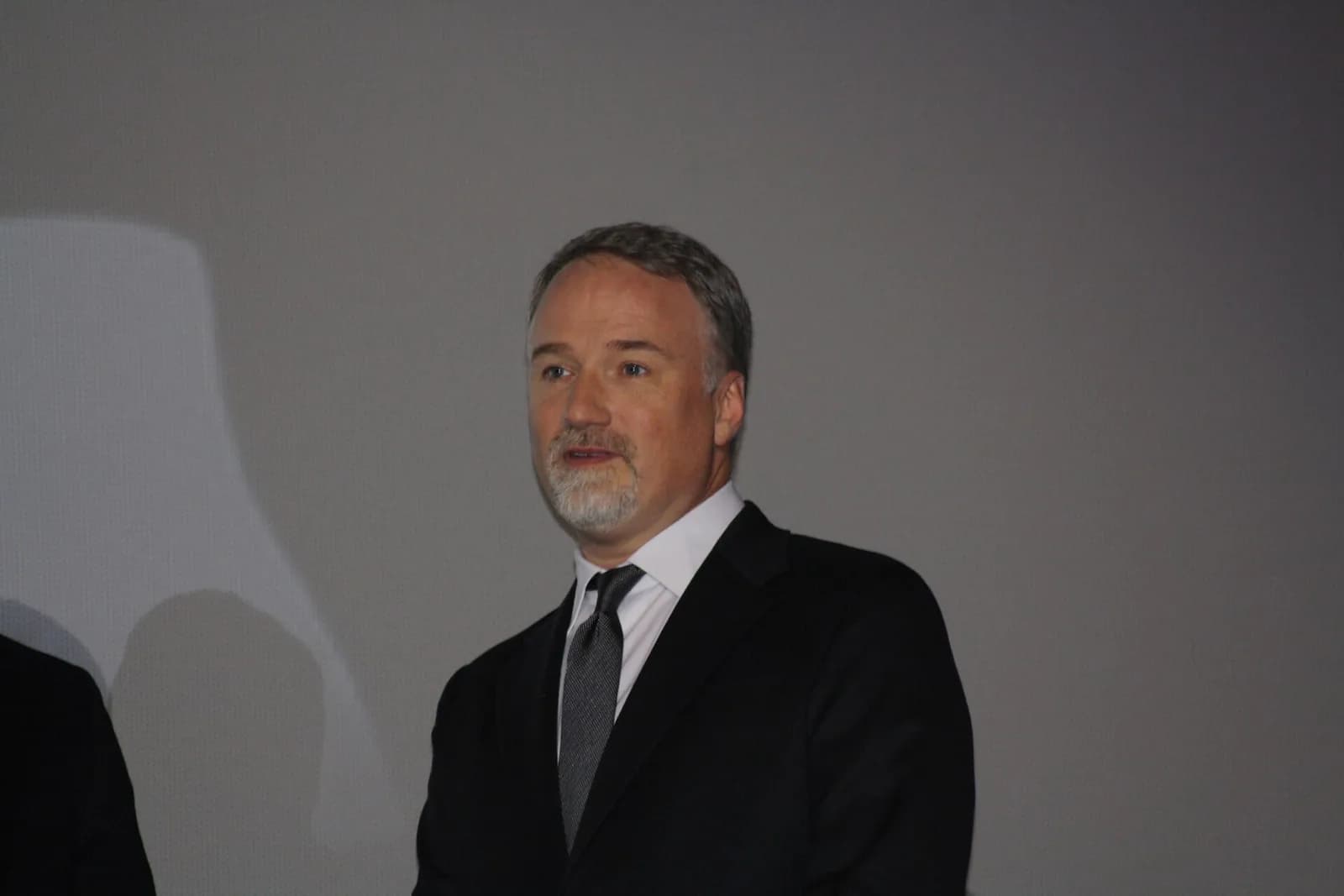
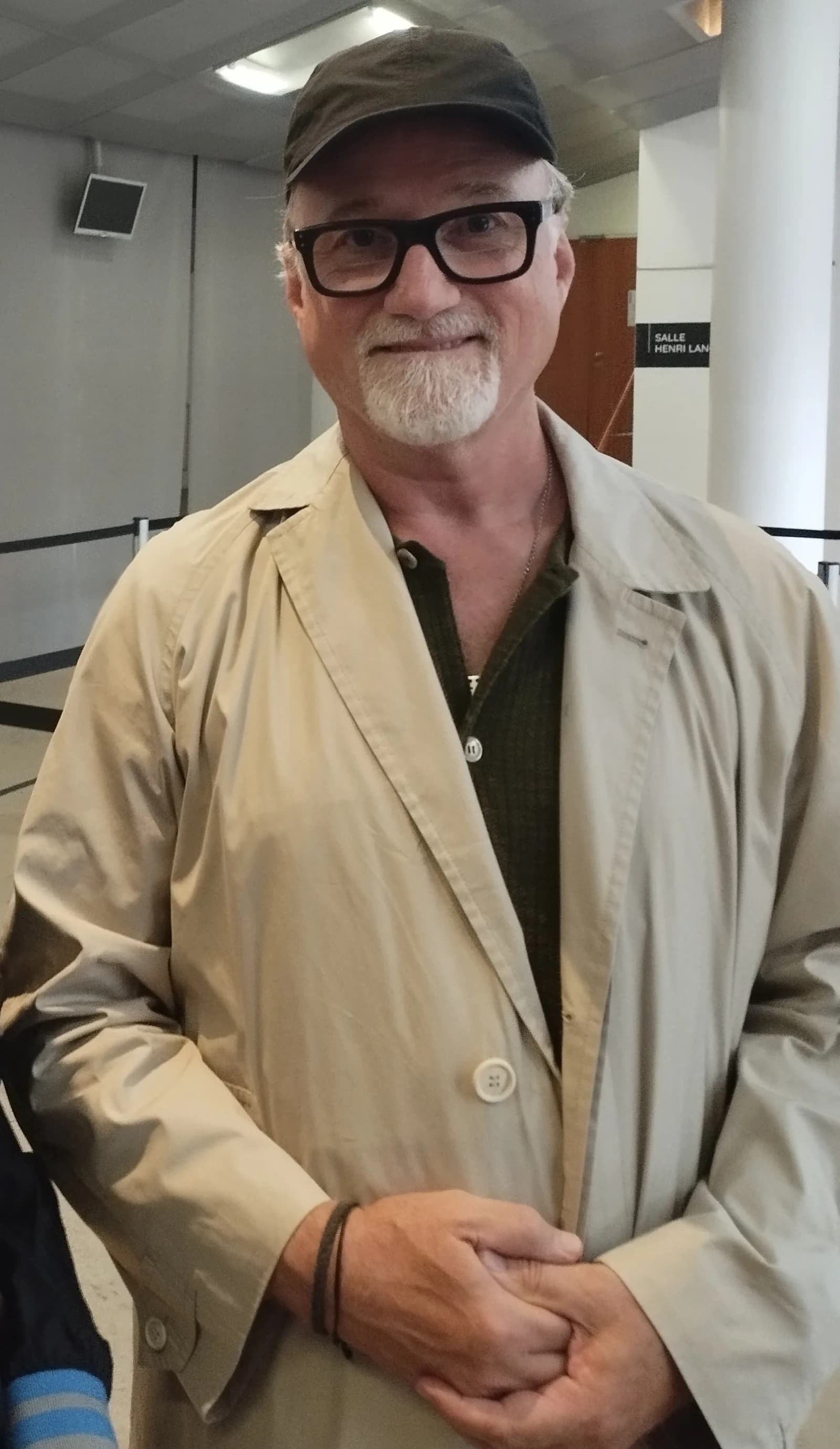
David Fincher has confirmed that he was asked to serve as showrunner on Amazon's big-budget Tolkien series and chose not to accept. Speaking with Josh Horowitz on the Happy Sad Confused podcast, the director of The Social Network and Fight Club recalled the approach, which he said came before the project moved to Amazon. His explanation was blunt: he regarded the venture as an outgrowth of corporate priorities rather than a filmmaker's project, and he wanted no part of it.[S1][S2][S3][S4][S5][S6][S7]
The series in question is The Lord of the Rings: The Rings of Power, which is now running its third season on Prime Video. According to the account Fincher gave on the podcast, the final two episodes of that season were scheduled to arrive that evening at 9 p.m. ET. The show has been one of the streaming service's most expensive and most visible franchise bets, which makes a prominent director's public refusal a notable data point about how such projects are viewed inside the industry.[S1]
Why he would not take the DC Studios job
Fincher extended the argument to superhero filmmaking, using James Gunn's move into studio leadership as his comparison. He said he admired Gunn for accepting the co-chief role at DC Studios, a position the report notes Gunn has since left, but made clear the job held no appeal for him. In Fincher's assessment, DC carries a structural problem that is built into how it operates, and he described that condition as part of its fundamental character rather than a passing difficulty.[S1][S2][S3][S4][S5][S6][S8]
The director framed the issue as one of scale and control rather than personal preference. He argued that the business is being squeezed in ways that leave less room for distinctive filmmaking, pointing to the situations at Paramount and Warner Bros. as examples of the pressure he has in mind. For Fincher, the practical consequence is that protecting an individual creative voice in cinema has become progressively harder as consolidation and franchise strategy shape what gets made.[S1]
Star Wars talks and a Tarantino-scripted release
Not every large franchise conversation ended in a refusal. Fincher said he had once been strongly drawn to the idea of Star Wars and had spoken with Kathleen Kennedy about taking Lucasfilm public, discussions that took place before the company was sold to Disney in 2012. The disclosure suggests his objection is not to scale itself but to the terms on which a filmmaker would join such an operation.[S1]
Fincher is currently on the promotional circuit for The Further Mis-Adventures of Cliff Booth, an upcoming Netflix film written by Quentin Tarantino that continues the story of Once Upon a Time in Hollywood. The podcast appearance therefore served two purposes at once: it put him in front of audiences for the new release and gave him a platform to describe, in his own terms, the constraints he sees around studio filmmaking today.[S1]