A sequel that skips the old question
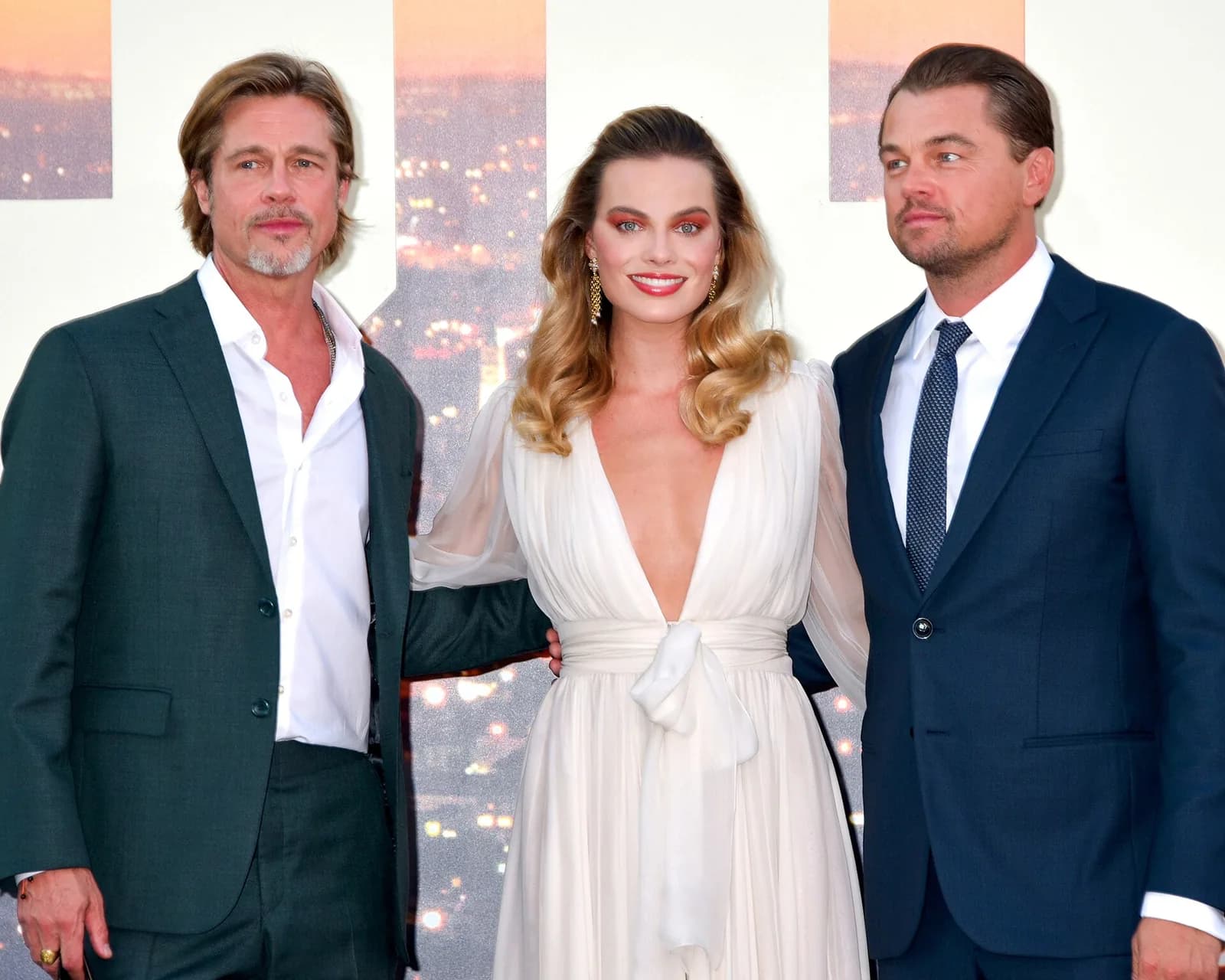
The first film never settled whether Cliff Booth, Brad Pitt's stuntman character, killed his wife, and that question was only taken up in Quentin Tarantino's novel version. Across the 140 minutes of this sequel, which Tarantino wrote and David Fincher directed, the matter is again left alone, and the reviewer notes it as the single element that complicates how audiences read Cliff's easygoing nature.[S1]
The earlier movie ended with Cliff helping pull off a dramatic rescue, after he had turned down a romance with a much younger character played by Margaret Qualley. A fuller account of his marriage may arrive in a coming Tarantino novel that crosses over with this film, so the two works are meant to function as one multimedia narrative. Even so, the reviewer finds plenty of energy, dark humor, provocation and visual style on offer.[S1]
Familiar Tarantino territory, faster pacing
The reviewer notes that this follow-up, much like Kill Bill: Volume 2, circles back to the people and concepts of the earlier movie in a rather schoolmasterly fashion, and the conclusion arrives abruptly — something the critic ties to the tale being spread across both film and novel. Even so, the picture keeps up a wild energy that few directors can equal, echoing Ed Bunker's toughness, Elmore Leonard's city-crime lyricism, and Tarantino's familiar motif of two tough guys pulling up in a car early enough to start squabbling.[S1]
Here the quarreling pair are unpleasant hitmen debating the illogical house numbering along Mulholland Drive in Los Angeles. Fincher's direction appears to tighten the transitions between scenes, moving faster than Tarantino's fondness for chapter-by-chapter sprawl would have allowed, and the reviewer observes that female characters tend to remain fully dressed.[S1]
Cliff's 1977 Los Angeles
The story sits nearly a decade after the first film, in Los Angeles in 1977, the era and city of Boogie Nights and the Jimmy Carter presidency, though only Nixon is named. Sharon Tate appears on television in a cigarette advertisement. Cliff now wears a moustache, has left stunt work after an injury that leaves him with a slight limp, and his old friend Rick Dalton is apparently making a television show in Australia.[S1]
Understand this article deeper
Cliff has left his trailer to live with his irritable father Gus, an aged pawnshop owner played by Peter Weller, and he juggles several jobs. He works as a projectionist at the historic New Beverly Cinema, a knowing touch from the screenwriter who owns the venue today, tends bar at different places on different nights, appears at a demolition derby, and keeps informal ties to screen acting that make him recognizable around the city.[S1]
A fixer, a critic and a divided reception
Above all, Cliff quietly fixes problems and brokers deals for influential people who are being blackmailed. He is puzzled when Karen Crosby, a clever and slender talent agent played by Elizabeth Debicki, contacts him without warning; she is a former film critic once guided by Pauline Kael, which appears to be how Tarantino reused an idea for a critic character once intended for his final movie. Karen, with whom Cliff falls deeply in love, brings him to her client Charlie Peters, played by Scott Caan.[S1]
Charlie is acting in a television show alongside the blaxploitation star Rod Harrison, played by Yahya Abdul-Mateen II, and a comic montage of Charlie's low-budget film and television credits echoes the Rick Dalton reel from the first picture. Impressed by Cliff's Second World War record, and softened by Cliff's old fondness for Charlie's worldly wife Toni, played by Carla Cugino, Cliff accepts a difficult assignment and enters a world of violent crime.[S1]
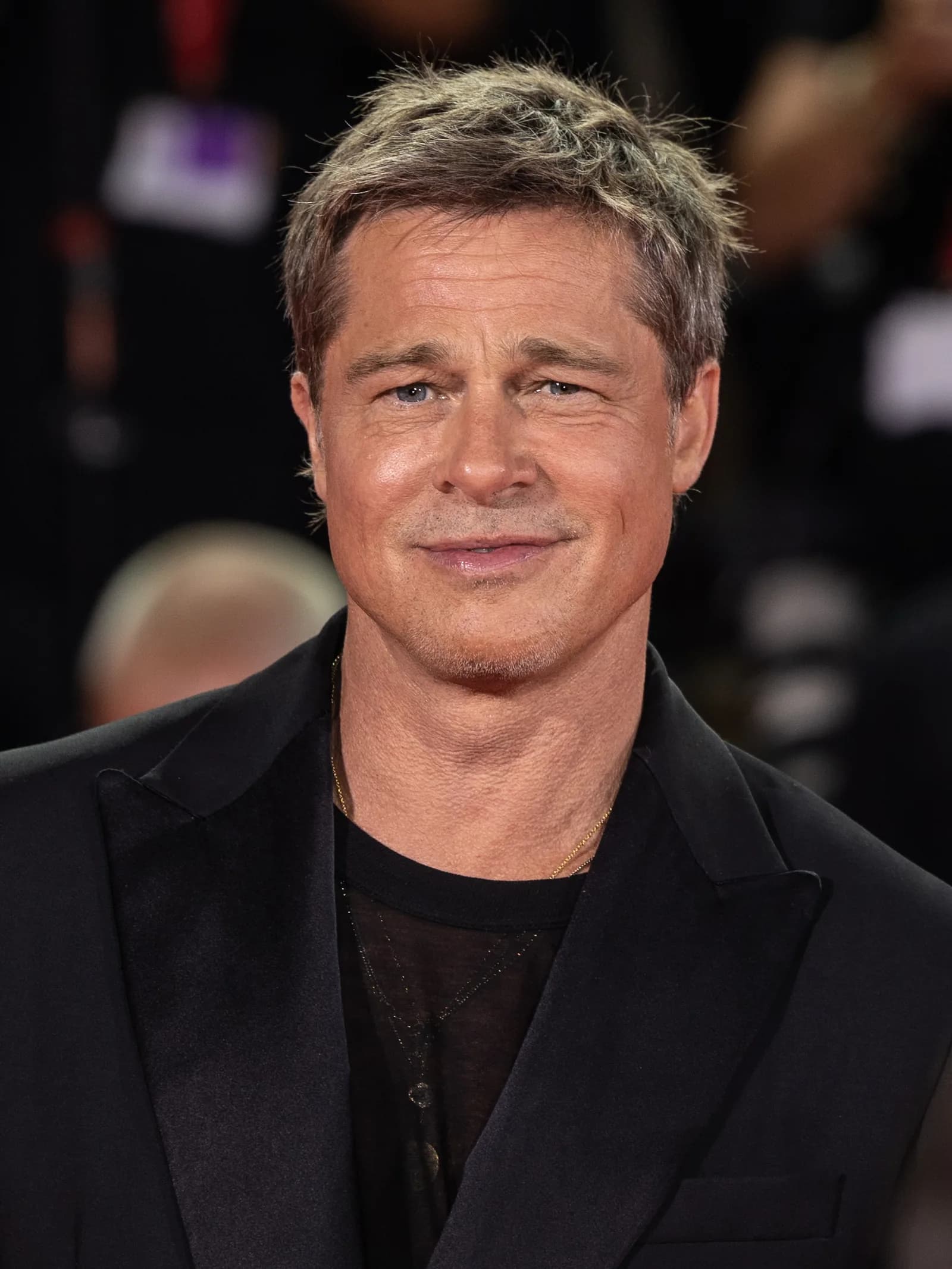
The reviewer argues the film depends entirely on Pitt's drawling, unshakeable good humor, a performance that is endlessly watchable yet enigmatic, since Cliff's hardened experience has left him calm to the point of being surprised and moved by nothing. That refusal to be rattled supplies the movie's ironic tension, and the reviewer calls it Pitt's great comic creation. Other outlets reached different verdicts, with one calling the Tarantino-Fincher pairing merely an OK movie, another describing a long and pointless sequel, and others highlighting the odd coupling of the two directors, Pitt shining again, or a very fun hangout.[S1][S2][S3][S4][S7][S8]