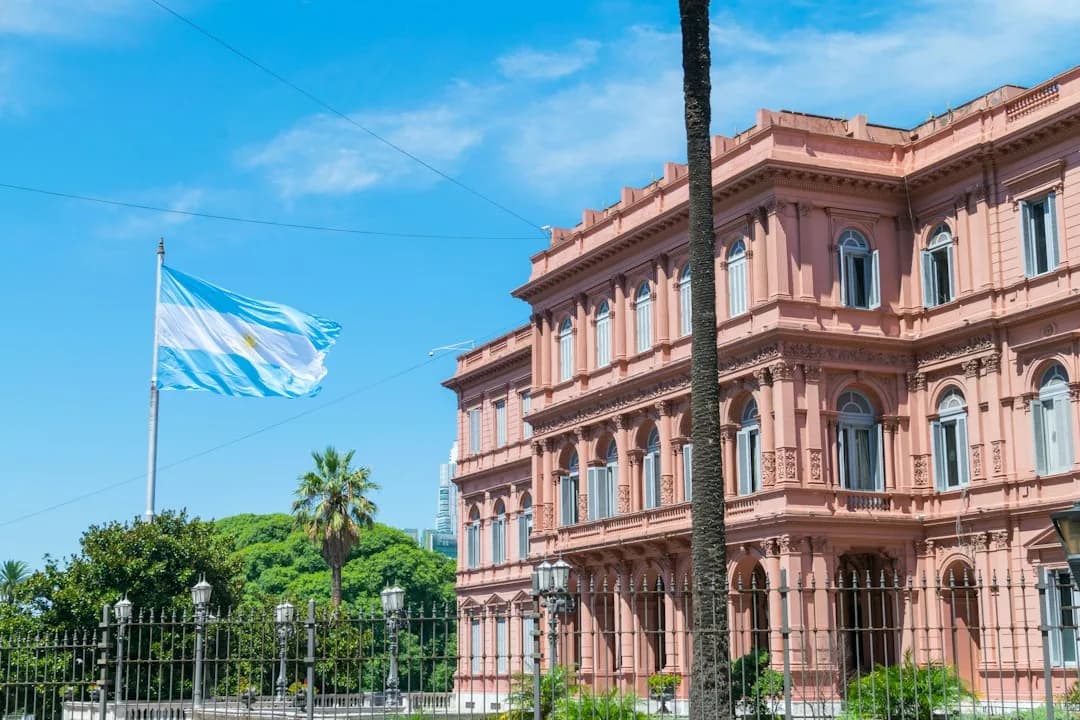
A new tier of investment incentives clears the Senate
Argentina's Senate granted preliminary approval to the Regime for Incentives for Relevant Investments, a bill driven by the Radical Civic Union that offers tax benefits to productive ventures committing at least $12 million. The measure drew 60 votes in favor and 2 against, the latter from the two senators representing Santa Cruz. To become law it still needs approval in the Chamber of Deputies.[S1][S2]
Eduardo Vischi, the Radical deputy from Corrientes who authored the proposal, has described it as filling a gap between the regime for medium-sized investments approved in the labor-modernization law and the regime for large investments. Speaking on the Senate floor, he said the initiative grew out of requests gathered from the private sector and argued that such projects supply the larger investments, strengthen the competitiveness of the real economy and aim at exporting Argentine goods.[S1]
What the regime offers and who qualifies
The program covers productive investments made during the first two years after the law takes effect. Eligible spending includes new machinery and capital goods, works tied directly to productive activity, irrigation and high-efficiency energy equipment, anti-hail netting and depreciable livestock. Cars, financial assets, portfolio investments and inventory are excluded.[S1][S2]
Understand this article deeper
Benefits include accelerated depreciation for income tax, special depreciation of capital goods and early refunds of VAT tax credits. The rules would enjoy tax stability for 30 years after the law is enacted. Applicants must file an investment plan with an execution schedule, projected output, exports and estimated employment, and must commit at least 20% of the amount earmarked for suppliers to domestic firms, provided local supply meets market price and quality conditions. The competition authority has up to 90 business days to review each request.[S1][S2]
Opposition doubts and the rest of the session
José Mayans, who leads the Justicialist bloc, said the proposal was well intentioned but insufficient given the country's economic situation. Jorge Capitanich, from Chaco, warned that multiple investment regimes are being created with differing thresholds, fiscal impact and no account of the fiscal quotas set in the respective budgets.[S1][S2]
The session opened with three tributes: to the libertarian senator Juan Carlos Pagotto, to Norberto Di Próspero, general secretary of the Association of Legislative Personnel, and to former president Néstor Kirchner on the 16th anniversary of his death. Lawmakers also agreed unanimously to invite Pope Leo XIV to address a legislative assembly in Congress, while acknowledging that the pontiff's schedule is already set. Debate then moved to a carbon regulatory framework proposed by Flavia Royon of Salta, Sonia Rojas Decut of Misiones and the Peronist Jorge Capitanich, with a vote on changes to the mental-health law expected in the early hours.[S1][S2]