A midterm mandate against the levies
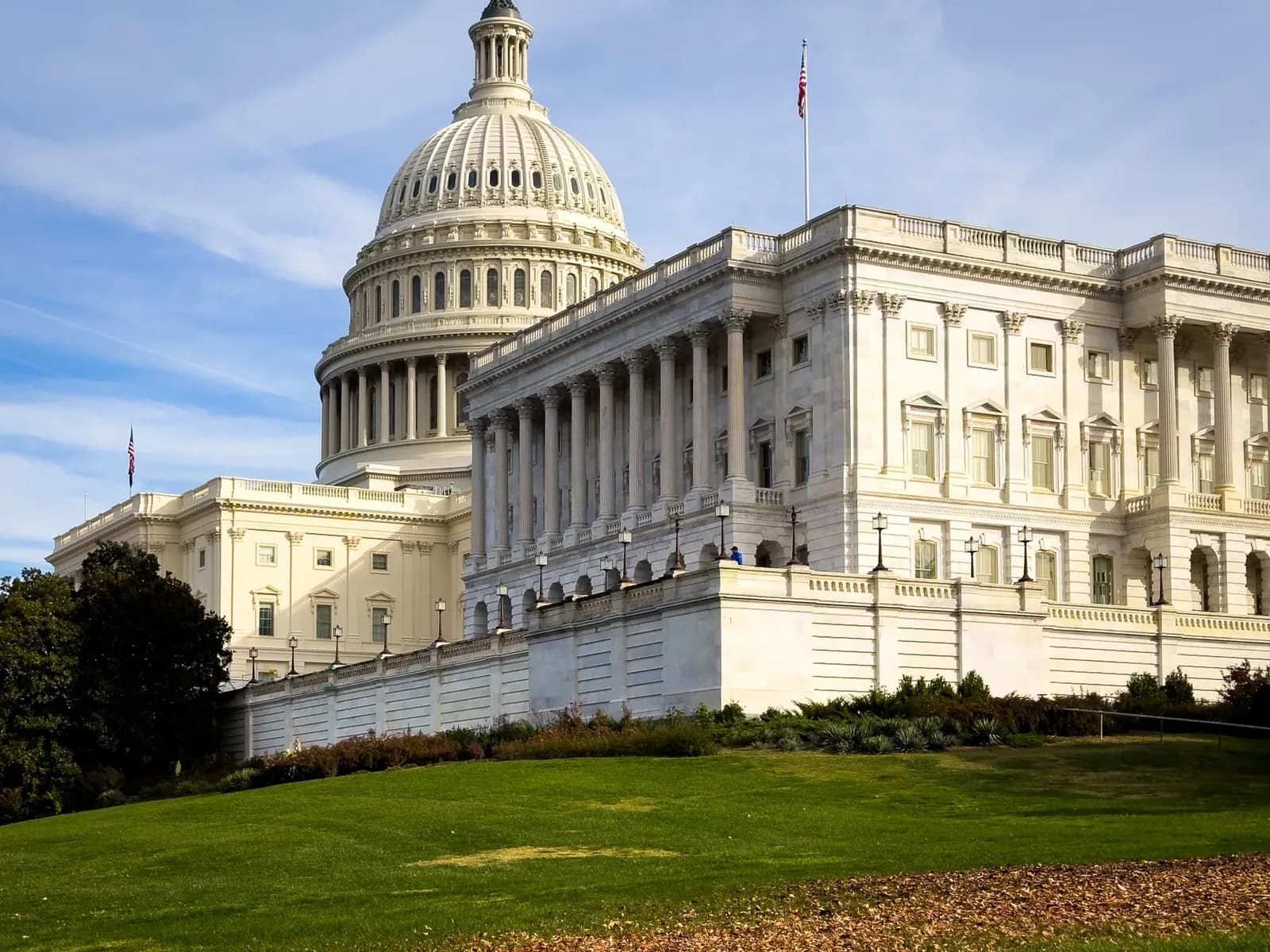
Democratic lawmakers are moving to challenge President Donald Trump's tariff program after their party captured both the Senate and the House of Representatives in Tuesday's midterm elections. Oregon Senator Ron Wyden said support for removing the duties on Canadian products is widespread. He told the Wall Street Journal that he was already working with colleagues on a bill to undo Trump's second-term tariffs once he takes over the committee chairmanship in January.[S1]
Coverage of the tariff battle has focused on Trump's trade confrontation with Canada, which sources say is putting pressure on a decades-old partnership with the northern neighbor and has turned into a key campaign theme in states along the border such as Michigan, Maine and Alaska. In August, Trump imposed 50% duties on certain Canadian products, drawing sharp criticism. Mike Rogers, the Republican Senate candidate in Michigan, put out a spot against the tariffs while holding a Canadian beer made just across the border.[S1]
Rogers said the tariff war needed to end and that Michigan residents understood Canada was not an adversary. Abdul El-Sayed, elected to the Senate from Michigan, criticized the trade conflict on Pod Save America and warned that American consumers bear the cost through higher prices on Canadian goods.[S1]
The arithmetic of congressional power
With a bare majority, Democrats could control committee agendas and launch investigations, yet legislation would still need 60 Senate votes to overcome a filibuster. Overriding a presidential veto requires two-thirds backing, which the reporting calculates as 290 votes in the House and 67 in the Senate. Since Democrats won 253 House and 54 Senate seats, major bills would probably draw a veto unless many Republicans defect from their party.[S1]
The new Democratic majority will not be sworn in until January 2027, though conversations about reversing the tariffs have already started behind the scenes. Even with control of Congress, Democrats may need Republican votes. Wyden told the Wall Street Journal that the Canada tariffs were unpopular with some Republicans, which he sees as an opening to win over members of Trump's party.[S1]
According to the Washington Examiner, Democratic wins spread across regions and demographic groups will leave the party holding up to 56 of the Senate's 100 seats. The incoming House Democratic majority might reach the 250s and possibly top 260 of 435 seats. That margin would easily carry votes aimed at the tariffs imposed during Trump's second, nonconsecutive term, which have continued in modified forms even after a Supreme Court ruling went against them. Republicans in both chambers, soon in the minority, may likewise find cover to oppose Trump's trade agenda.[S2]
Ontario and Ottawa respond
Ontario Premier Doug Ford welcomed the Democratic win in Tuesday's midterm elections and said he was prepared to cooperate with the new lawmakers to lift the US tariffs. Ford called the trade war continuing and tied the high cost of living to American duties on Canadian goods. He plans to dispatch his cabinet to the United States to meet the newly elected lawmakers, and said that after the new Congress members and senators are sworn in in Washington in January, ministers might head south to build ties and ease the trade dispute between Ottawa and Washington.[S1]
Mark Carney praised the Democratic effort to scrap Trump's tariffs on Canada following the midterm outcome, and the reporting framed the result as part of a broader challenge for the world in trusting America again after the midterm defeat of Trumpism. Trump had threatened to double tariffs on Canadian vehicles unless a bilateral deal was reached before the inauguration, and the two countries' trade talks fell apart in August amid tensions over US demands.[S1]