A sharp drop into correction territory
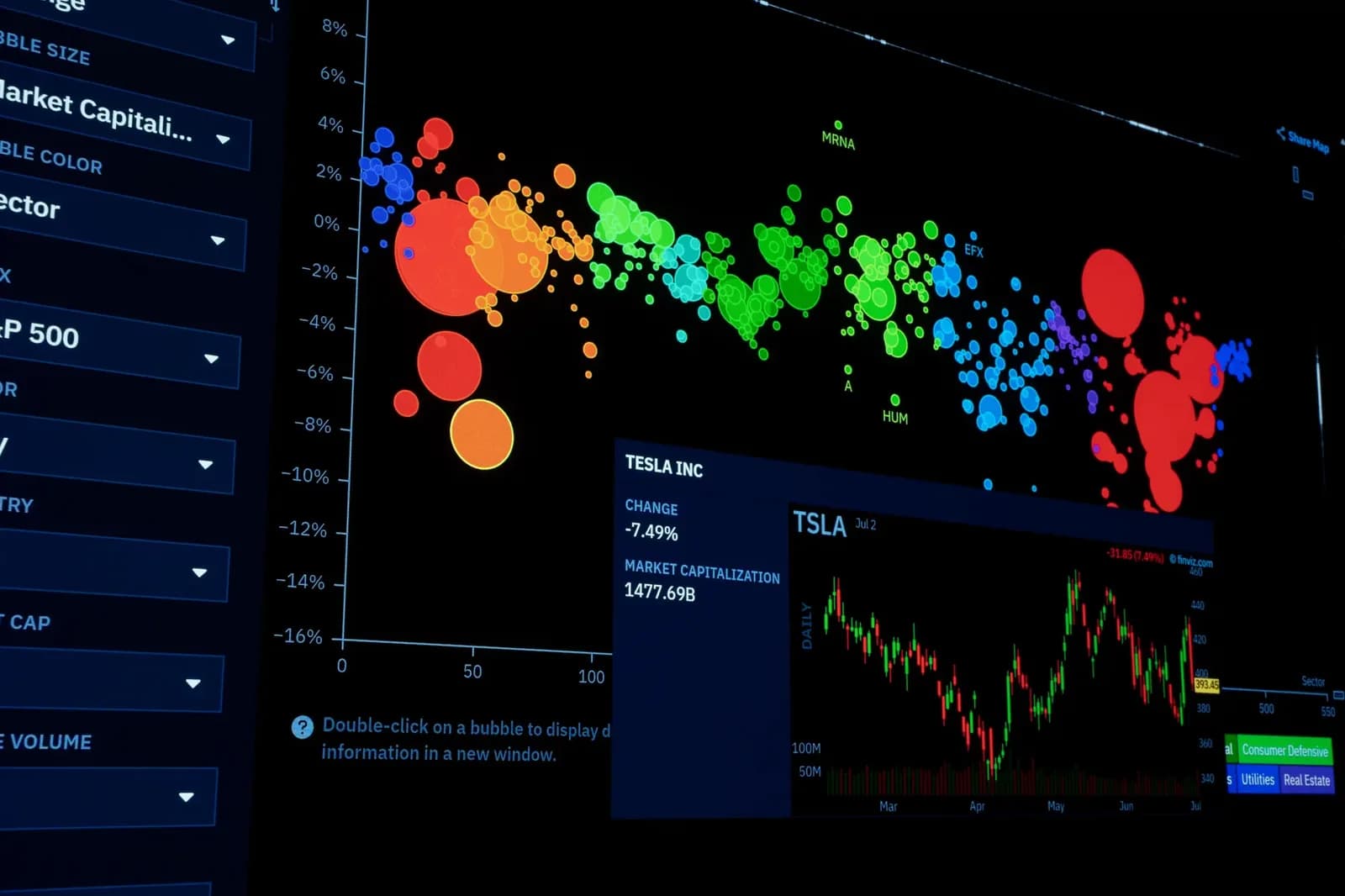
The Nasdaq Composite tumbled into correction territory on Thursday, sliding more than 5% in a single session and closing more than 11% beneath the record it set last month. On Wall Street, a decline exceeding 10% from a peak is classified as a correction, while a 20% pullback is considered a bear market. The drop marked the market's worst day since April 2025, according to Investing.com.[S1][S5]
Semiconductor shares bore the brunt of the selling. The iShares Semiconductor ETF (SOXX) dropped 12%, its steepest one-day loss since the Covid-19 outbreak in March 2020. The broader tech-heavy index's decline underscored how concentrated the pressure was in the companies most closely tied to the artificial intelligence trade.[S1]
Election result becomes the catalyst
What set off the decline was the Democratic Party's sweep of both the House and Senate in Tuesday's midterm vote. Democrats also scored notable wins in Texas, where Gina Hinojosa captured the governor's race after running on a pledge to halt data center construction right away. Investors are now weighing whether stricter rules at the state level might slow data center building and drag on firms tied to the artificial intelligence trade.[S1]
What history says about the road back
Looking at 10 earlier correction episodes from the past decade, the selloffs of 2025, 2022, 2020 and 2018 each saw additional heavy selling during the following month. Even so, the Nasdaq was rallying again within six months in every one of those instances but 2022. Measured from the correction low, the index on average rose 9.41% over the next three months and 17.03% over six months.[S1]
The correction that began in January 2022 played out worse: over the following six months the Nasdaq shed another 18.3%, and a year out it stood 24.3% lower. Frank Cappelleri, who founded CappThesis, examined earlier midterm cycles and concluded they likewise suggest near-term turbulence. According to the chart analyst, in 12 of the 13 midterm cycles since 1974 the Nasdaq was higher twelve months after the election.[S1]
Cappelleri warned that the route there may be bumpy. He cited 2018, when the Nasdaq climbed the day after Democrats captured the House, then suffered a steep December slump, before ending roughly 15% above its level a year after the election.[S1]