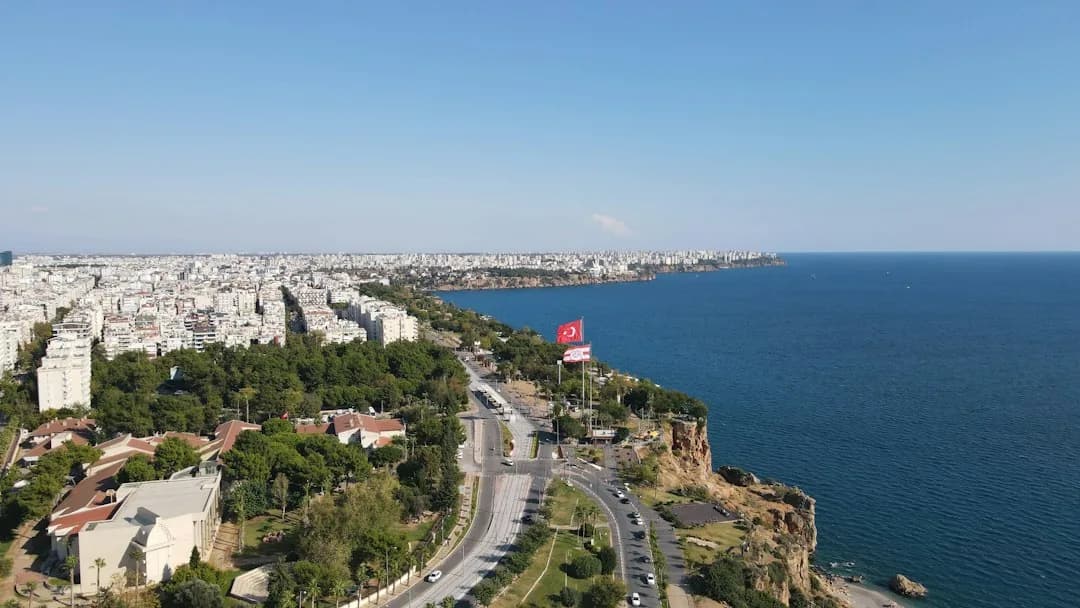
Final stretch opens under grey Antalya skies
Delegates reached the COP31 venue in Antalya on a grey, drizzly morning as the UN climate talks entered their decisive closing stretch. Since an unexpected and disorderly first draft of the cover decision appeared on Monday, movement has been sluggish. Unlike earlier summits, this one has no attention-grabbing flagship initiative to rally around; the 35 by 35 electrification plan is short on glamour, and the promise of an implementation-focused COP has not been delivered.[S1]
The splits follow well-worn lines. Every developing-world delegate spoken to at the talks described climate finance as the central question, and it colours every discussion. Poorer states, many already in debt distress, are asking for public funds from richer governments. Wealthier countries counter that they face their own debt burdens, domestic emergencies and security demands that require higher military spending.[S1]
Presidency searches for a bridge
Bridging that gap falls to the presidency, which traditionally convenes informal negotiations where senior delegates, often ministers, hammer out compromises. The practice reaches back to COP17 in Durban, where the South African hosts organised indabas, a Xhosa term for a gathering of tribal elders. Brazil's presidency last year used mutirão, a word of Guarani origin absorbed into Brazilian Portuguese. This year, climate diplomats will meet in the divan.[S1]
Inside the conference venue, civil society groups are making their presence felt. Campaigners with the Climate Action Network held a demonstration calling on polluters to pay up and urging that the loss and damage fund—set up to assist vulnerable nations coping with extreme weather—be properly financed. Support is growing for extracting money from high-polluting industries: the UK put its name to a statement endorsing levies on polluting sectors to pay for adaptation and recovery. No such global solidarity levies are in place yet, though a French-backed taskforce has proposed modest charges on frequent flyers and business-class travellers, along with a tax on cryptocurrency transactions.[S1]
UK electric car rules and the net zero plan
In Britain, official advisers warned that a push by the automotive lobby to soften electric car sales rules could put the country's climate targets at risk. The Climate Change Committee said in a letter published on Wednesday that the UK is likely to miss its legally binding goals if it confirms plans allowing more petrol and diesel cars and vans to be sold over the next four years. The change could add 8.4 million tonnes of CO2 a year from the UK by the next decade, the committee found, potentially forcing ministers to cut the carbon budgets that underpin the 2050 net zero commitment. The warning came a week after prime minister Andy Burnham told COP31 that Britain is back.[S1]
Electrification pledge and Turkey's data-centre drive
Debate continues over the global electrification pledge, a priority of Turkey's COP31 presidency that aims for 35% electric by 2035, with entrenched disagreement over whether it must be tied to renewable energy. Parties argue over whether efficiency gains and lower emissions suffice to justify the pledge even for grids still heavily dependent on fossil fuels, and concern is growing that a rush to build energy-hungry data centres could undercut progress.[S1]
Turkey is not only targeting wider electrification but also a sharp expansion of its power production, aiming to become the region's data-centre hub within a decade. Construction is slated to continue in Istanbul, and a market analysis released earlier this year projected growth from $715m to $1.79bn between 2025 and 2031. President Recep Tayyip Erdoğan told this year's Turkey Artificial Intelligence Summit that capacity would reach at least 1 gigawatt by 2030, with at least 2% of public investment projects directed to artificial intelligence. On 5 November, Energy Minister Alparslan Bayraktar presented a plan for $500bn in energy investment by 2040, including $330bn for electrification, projecting that data centres will add 55 terawatt-hours of electricity demand over the same period.[S1]
Ümit Şahin, a senior scholar who coordinates climate change studies at the Istanbul Policy Center, warned the Guardian that growing data-centre capacity may get in the way. He called the 55 TWh figure notable, and said that although electrification is sensible climate policy, the data-centre build-out now planned risks working against both electrification and the shift to renewables by pushing electricity demand up sharply.[S1]
The talks have also been marked by reported disruption. Saudi Arabia has stepped up what was described as an orchestrated effort to disrupt the UN climate negotiations, according to an independent outlet's headline account.[S2]