Talks end without an overarching pact
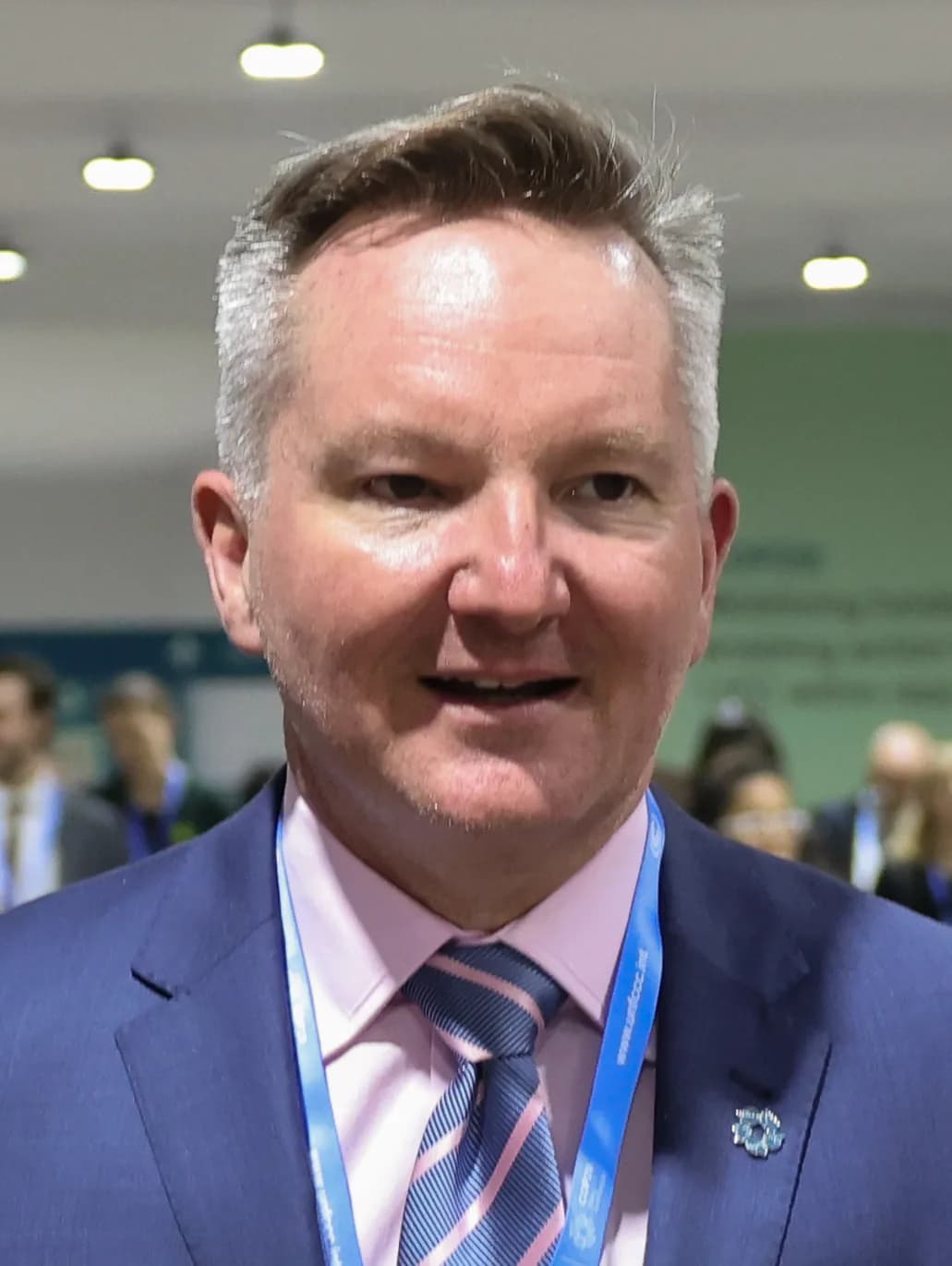
The Cop31 summit in Turkey finished without the broad agreement negotiators had pursued, after a group of countries turned down the proposed cover decision late on Sunday. Chris Bowen, who shared the presidency of the negotiations with Turkey's Murat Kurum, told journalists that Australia had held nothing back, but that the positions he and his team sought to reconcile among almost 200 delegations could not be bridged.[S1][S3][S6]
At the heart of the deadlock was the question of whether the agreement would state that the world must move away from fossil fuels. Six delegations — the European Union, Panama, the Marshall Islands, Vanuatu, Norway and Belize — told the conference they would reject any deal lacking that language. On the other side, Saudi Arabia and Russia headed a bloc of oil-rich nations that promised to veto any decision mentioning fossil fuels.[S1][S6]
In the closing stretch, delegations were handed a draft that merely pointed back to the 2023 Dubai decision and did not name fossil fuels, which angered a broad group of countries. Bowen remarked that he would have welcomed language on moving away from fossil fuels in the text, but that such wording could not attract backing.[S1]
The meeting did not break down entirely. Consensus was reached on some secondary matters, and the failure centred on the main document. The impasse marked a serious episode in the history of UN climate conferences, which ran into record overtime.[S1][S3]
Albanese defends minister as critics demand exit
Speaking on Monday, the prime minister said the outcome reflected the state of world affairs rather than a lack of Australian effort. He described the result as proof that the world is in difficult geopolitical times and pointed to work with Pacific leaders as the conference's important achievement, adding that taking climate action is the price of credibility in the region.[S1][S2]
The Coalition's energy spokesperson, Dan Tehan, called on Bowen to step down at once and said the prime minister should remove him if he refused. Tehan held Bowen personally accountable as lead negotiator for what he termed a catastrophic diplomatic disaster, and argued that the consensus method used at the summit is completely broken.[S1][S4][S5]
Tehan did not specify what the opposition would have done differently beyond saying it would not have sought to host the conference or the presidency. The Coalition has dropped its backing for net zero emissions by 2050, a goal set under former Liberal prime minister Scott Morrison, and has promised to repeal Labor's climate measures while offering no policies of its own to cut emissions.[S1]
The Greens' deputy leader, Steph Hodgins-May, described the outcome as a disastrous embarrassment given that Australia had chaired the negotiations, and said Labor was unfit to lead on climate either internationally or at home. Adam Bandt, former Greens leader and now chief executive of the Australian Conservation Foundation, said countries had rejected the pact understandably because it did not mention the main drivers of the climate crisis, and criticised the prime minister for omitting coal and gas from his summit speech.[S1]
Mixed verdicts on what the failure means
Bowen maintained that outside the negotiating rooms the shift away from fossil fuels is unavoidable and advancing quickly. He noted that more than 90 countries had endorsed a goal of raising electrification to 35% by 2035, a step that could curb fossil fuel use if carried out, while conceding the overall result was very disappointing.[S1]
Bill Hare, an Australian Cop veteran who heads Climate Analytics, argued that the absence of agreement on the main document should not be read as a failure of the whole Cop system. He characterised it instead as a successful defence of the UN climate convention's integrity against a coordinated push by a small number of states firmly opposed to climate action, especially to any reference to transitioning away from fossil fuels.[S1]
Amanda Cahill, founder of the Next Economy, was in Antalya advising on the just transition, the guidelines intended to shield communities and workers affected by climate change and the move away from fossil fuels. She said that although the wanted outcome was not secured, the global commitment to justice and equity held, and that parties had agreed to establish the Just Transition Mechanism so countries can obtain support for meaningful climate action.[S1]
Australia also faced criticism during the conference over its continued backing for new coal and gas export projects, and separate scrutiny over Indigenous rights in the negotiations.[S1][S7]