A warning from the Marshall Islands
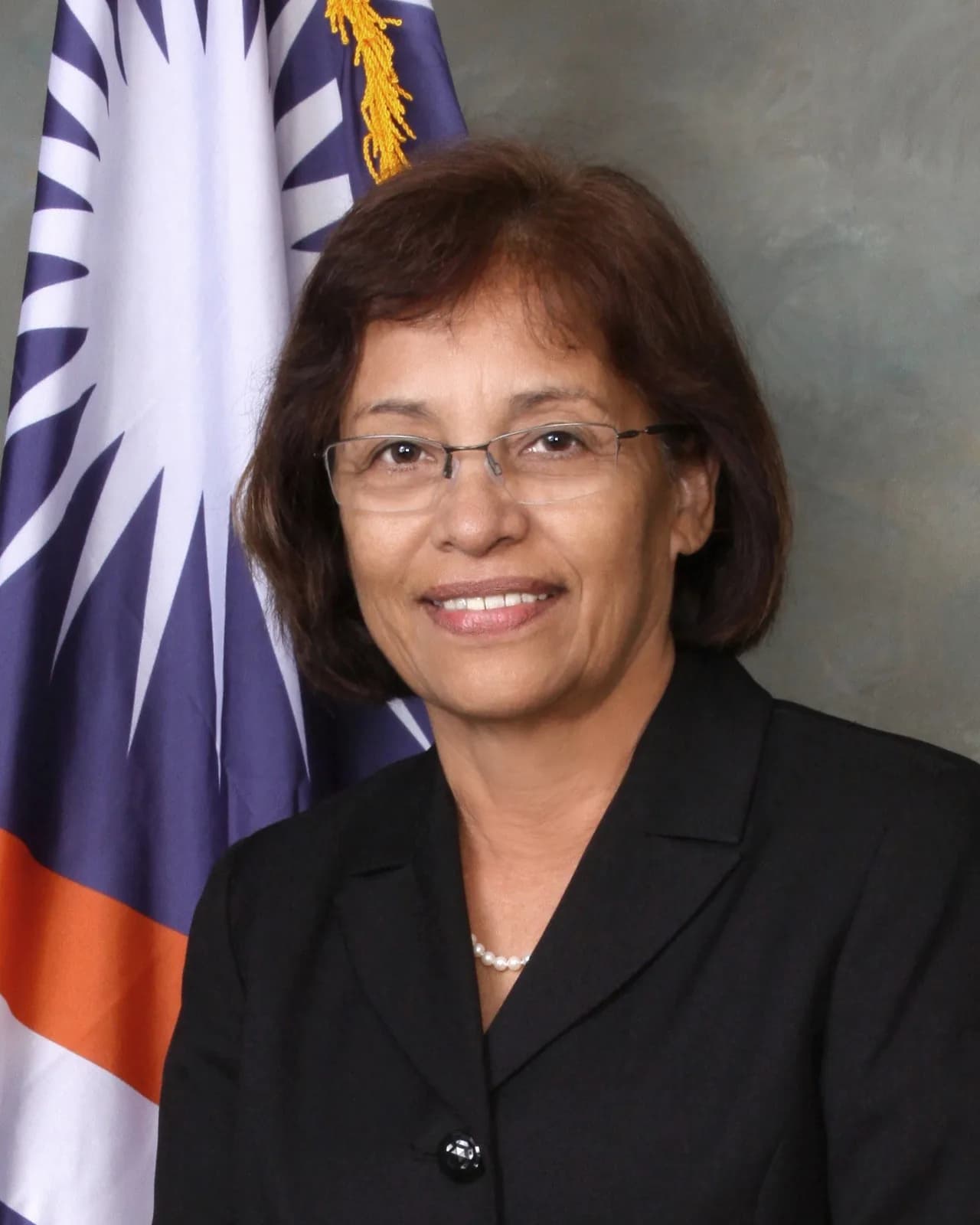
Hilda Heine, president of the Marshall Islands, told fellow heads of state at COP31 on Wednesday that failing to answer the climate crisis with an overwhelming response would leave the world as we know it finished. She said exceeding the 1.5C Paris temperature limit would bring seas that consume shorelines and floods that wreck towns, schools and hospitals. She recalled observing vivid coral beneath the water around her home island in July, only for it to turn white within months.[S1][S2]
Heine urged her audience to wake up, arguing that the answer to the threat of overshoot has to be overwhelming or the world people recognize will be gone. Small island nations confront an existential danger from rising seas and rank among the most exposed to catastrophe once heating passes 1.5C. The UN Environment Programme has concluded that overshoot is now unavoidable and cautioned that its impact on icy regions will be so severe that it should be held as short and shallow as possible.[S1]
Barbados and the UN demand faster cuts
Mia Mottley, the prime minister of Barbados, criticized governments that have not tried hard enough to reduce emissions since the Paris agreement. She cited UN figures showing that even full delivery of every pledge points to 2.6C, while current policies put the world on a path to 2.8C. She described overshoot as a debt of heat borrowed against children's future that has to be repaid.[S1][S3][S4]
António Guterres, the UN secretary general, accused a dishonest fossil fuel industry and countries that keep raising fossil fuel output while professing commitment to 1.5C. In one of his final speeches in the role before stepping down next month, he called for extraordinary acceleration, said the planet is heating while time runs short, and argued that fossil fuels must share the dinosaurs' fate. He noted that dinosaurs had no lobby while fossil fuels do.[S1][S5][S6]
Guterres said oil and gas companies had distorted science and held back climate action, and he urged a windfall tax on the large profits they have reaped from the Iran war. He called for an end to the fossil fuel addiction and for governments to channel such revenue toward helping vulnerable countries recover, insisting that polluters must pay.[S1]
Understand this article deeper
Hosts, absences and a darkening mood
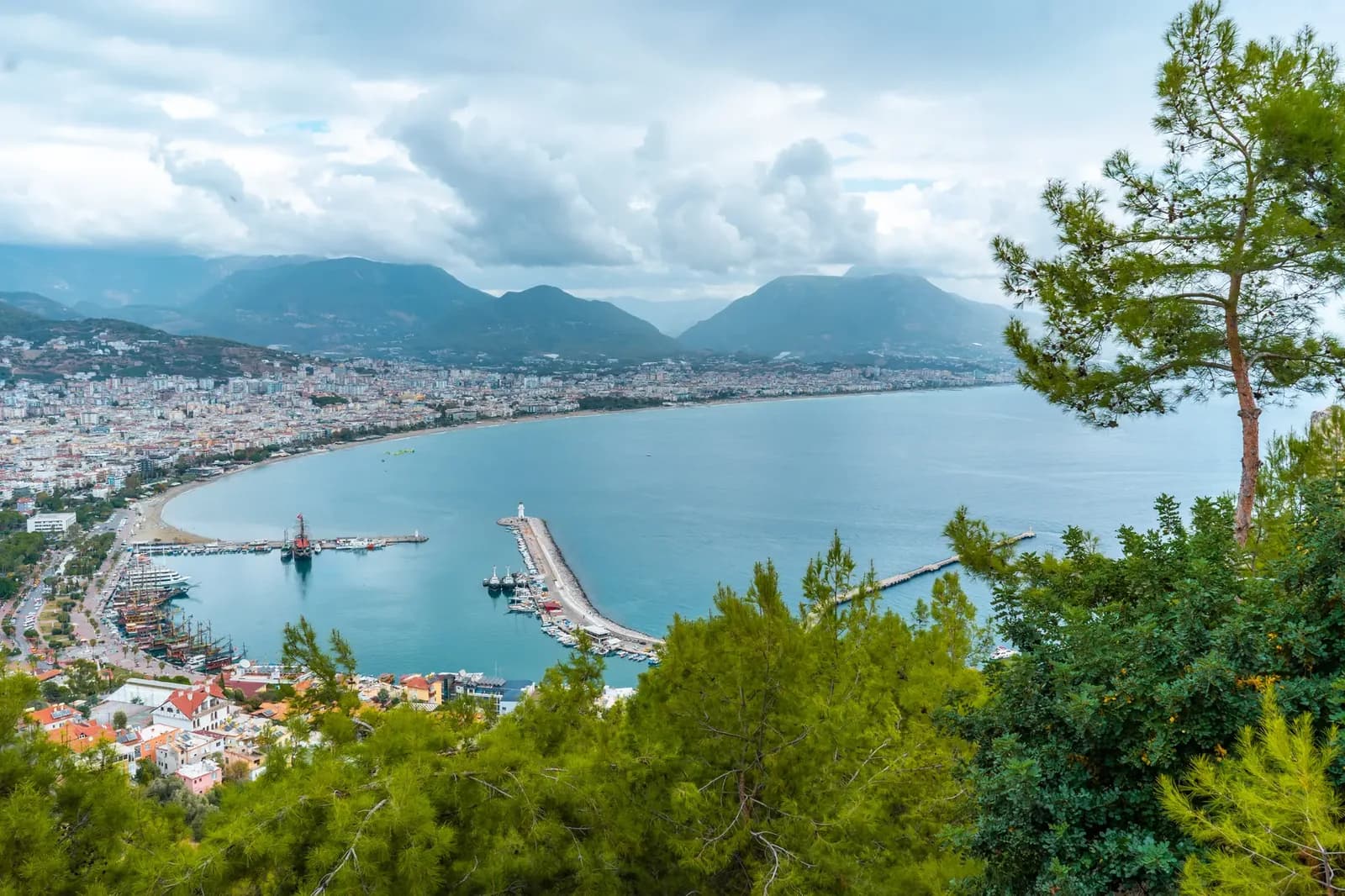
Australia and Turkey are jointly staging this summit, an uncommon pairing, and their leaders, Anthony Albanese and Recep Tayyip Erdoğan, spoke warmly of the collaboration. Erdoğan said he hopes COP31 will be remembered as a moment of change, pressing nations to follow words with deeds and cautioning that delay raises both danger and expense. Even so, on Monday he stood outside the venue and welcomed news of two oilfields with roughly 135m barrels of estimated in-situ potential.[S1]
Heine said each new oil well and each lump of coal extracted endangers her country's future, and without naming any producer she argued that finding new fossil fuel resources is cause for fear rather than celebration. Albanese called the conference a historic moment for Australia, one of the world's largest exporters of coal and liquefied gas, and said governments bear a solemn responsibility to act, though he drew criticism for not mentioning fossil fuels in his address.[S1]
Attendance by heads of state was modest. The UN recorded 91 national leaders present, though several major figures, such as China's Xi Jinping and the US's Donald Trump, did not come. A number of those absent, including Emmanuel Macron of France and Germany's Friedrich Merz, went instead to an AI conference in Ireland. Nearly every nation at COP31 is lagging on emissions cuts, and funding for countries most exposed to heat, flooding, fire and other climate disasters is still inadequate.[S1]
As temperatures push beyond 1.5C and one of the strongest El Niño episodes on record takes hold, there is little indication the negotiations will advance further on retiring fossil fuels that warm the planet. Bill Hare, a climate scientist who heads Climate Analytics, spoke of alarm among researchers and difficult exchanges with scientists studying rainforests and the cryosphere, saying the scientific mood keeps worsening and that many believe progress has reversed.[S1]
Several other leaders underlined how urgent matters are at a time of compounding crises, and argued that multilateral cooperation must at last produce results. North Macedonia's president, Gordana Siljanovska-Davkova, said this generation is the first to understand fully what its decisions mean and possibly the last able to alter course, while those who follow will inherit the outcome. Slovenia's president, Nataša Pirc Musar, asked what could still bind people together if human dignity and care for nature are not put at the heart of choices.[S1]