Announcement in Paris
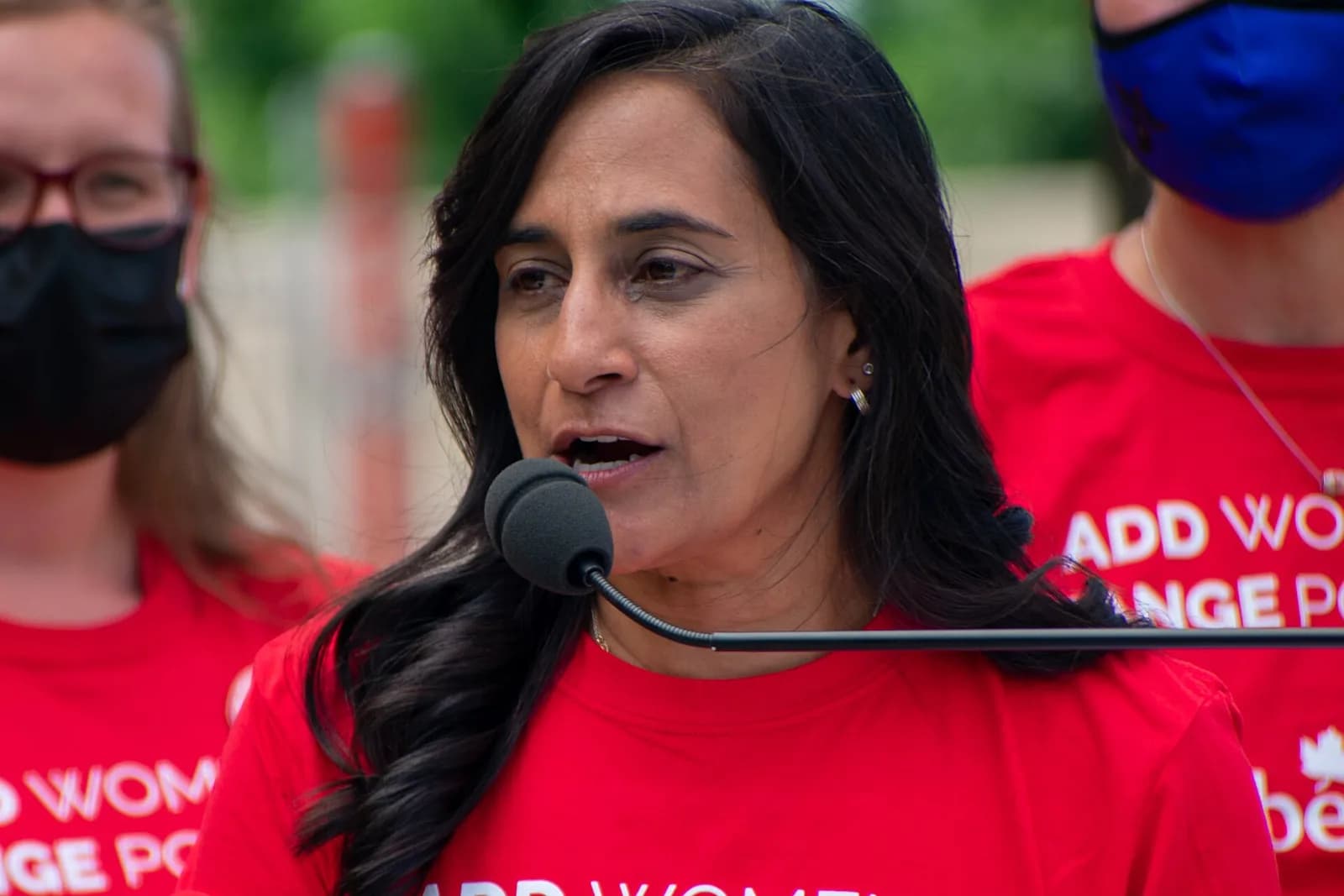
Canada has restored sanctions on 11 Iranian entities for their role in Tehran's nuclear activities and ballistic missile program, according to Foreign Minister Anita Anand. She unveiled the measures during a gathering of Group of Seven foreign ministers in Paris, describing the goal as limiting Iran's ability to obtain money and sensitive technology connected to those programs.[S1][S2][S3][S4][S5][S6][S7][S8]
A foreign ministry statement said the targets had aided the Iranian government's proliferation-sensitive nuclear work, its ballistic missile effort, or the financing of its harmful activities. The statement also conveyed Anand's position that Iran should never be permitted to acquire a nuclear weapon.[S1]
Why Ottawa acted now
Canada had taken the same entities off its list in 2016, after Iran and major powers reached the 2015 nuclear agreement. Ottawa now argues that Tehran has repeatedly refused to cooperate with the International Atomic Energy Agency, the UN's nuclear watchdog, and has not honored earlier UN Security Council resolutions.[S1]
The United States, its European partners and Israel contend that Iran uses its nuclear program to hide work aimed at gaining the ability to build weapons. Tehran maintains that its nuclear activities serve peaceful ends only.[S1]
The entities on the list
Among the 11 designated entities are the Nuclear Fuel Production and Procurement Company and the Nuclear Reactors Fuel Company. The National Iranian Oil Company and the National Iranian Tanker Company are also included, alongside Kala Naft and the Naftiran Intertrade Company.[S1]
The remaining targets are financial and insurance institutions: Bank Mellat, Bank Melli, the Iran Bank of Industry and Mine, the Export Development Bank of Iran and the Iran Insurance Company.[S1]
Diplomacy and the war backdrop
Since joint American and Israeli airstrikes struck Iran on February 28, the United States has been in a state of war with the country. Last week an Iranian official told Reuters that Tehran had conveyed a nuclear proposal to Washington via Qatar, adding that any talks would depend on the US first meeting a series of Iranian conditions.[S1]
Those conditions include relief from sanctions, access to frozen assets and reparations for the war, the official said. Washington insists that nuclear questions be part of any opening round of talks. Separately, Iran's security chief, Mohsen Rezaei, said in October that Tehran was weighing whether to abandon its long-standing ban on nuclear weapons should hostilities resume, while stressing that no such decision had been made.[S1]