Scale of the problem revealed
A comprehensive survey of Germany's armed forces has found that a majority of female soldiers have encountered sexual harassment or abuse during their service. The study, carried out by the Centre for Military History and Social Sciences in Potsdam and published this week, is described as the first of its scope into the Bundeswehr. It recorded experiences ranging from explicit remarks and humiliating rituals to physical assault and sexual violence.[S1][S2]
Among the roughly 4,000 women who took part, almost 40% said they had been subjected to suggestive or sexualised comments. About 15% reported harassment involving mobile-phone images taken without consent, some of which had been altered with artificial intelligence. Slightly more than 8% said they had been physically attacked, and 2% reported being victims of sexual violence.[S1]
The survey also found that around 19% of male soldiers had experienced comparable sexual misconduct. Non-binary and gay service members were affected at disproportionately high rates, according to the findings. Of 45,000 active and former personnel invited to respond, 18% did so; the ministry said its analysis indicated the results were representative.[S1]
Understand this article deeper
Pistorius promises zero tolerance
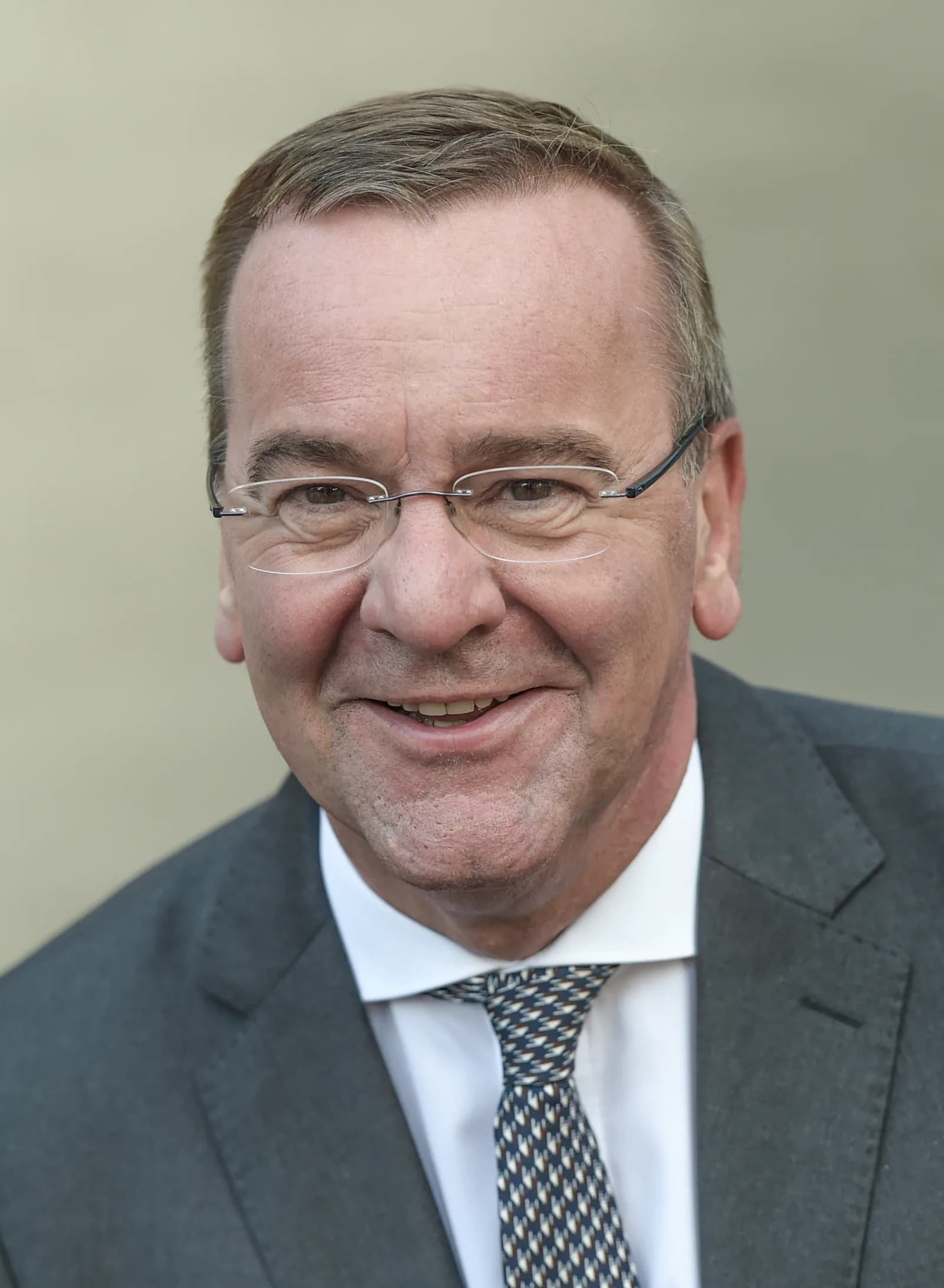
Defence Minister Boris Pistorius called the figures unacceptable, especially for a military that intends to grow substantially. The Bundeswehr has invested billions in personnel and equipment and aims for 260,000 active-duty troops plus 200,000 reservists by 2035, a target meant to avert the return of conscription.[S1]
Pistorius said he was struck by evidence that women serving in units with a higher share of female colleagues were affected less often, a pattern he said supported recruiting more women. He also said some colleagues had urged him to shelve the study for fear of damaging the military's image, and he argued that suppressing it would amount to looking the other way and would harm the Bundeswehr more in the long run. The survey will be repeated annually.[S1]
The minister voiced concern about how few incidents are reported. Roughly one-third of respondents said they had not reported, or would not report, incidents because they lacked confidence in how superiors would respond. This month Pistorius established a round-the-clock hotline called HELP for military personnel. He said complainants should in future receive more information about the progress of their cases, since victims have described being kept uninformed while expected to keep serving.[S1]