A polarized first round
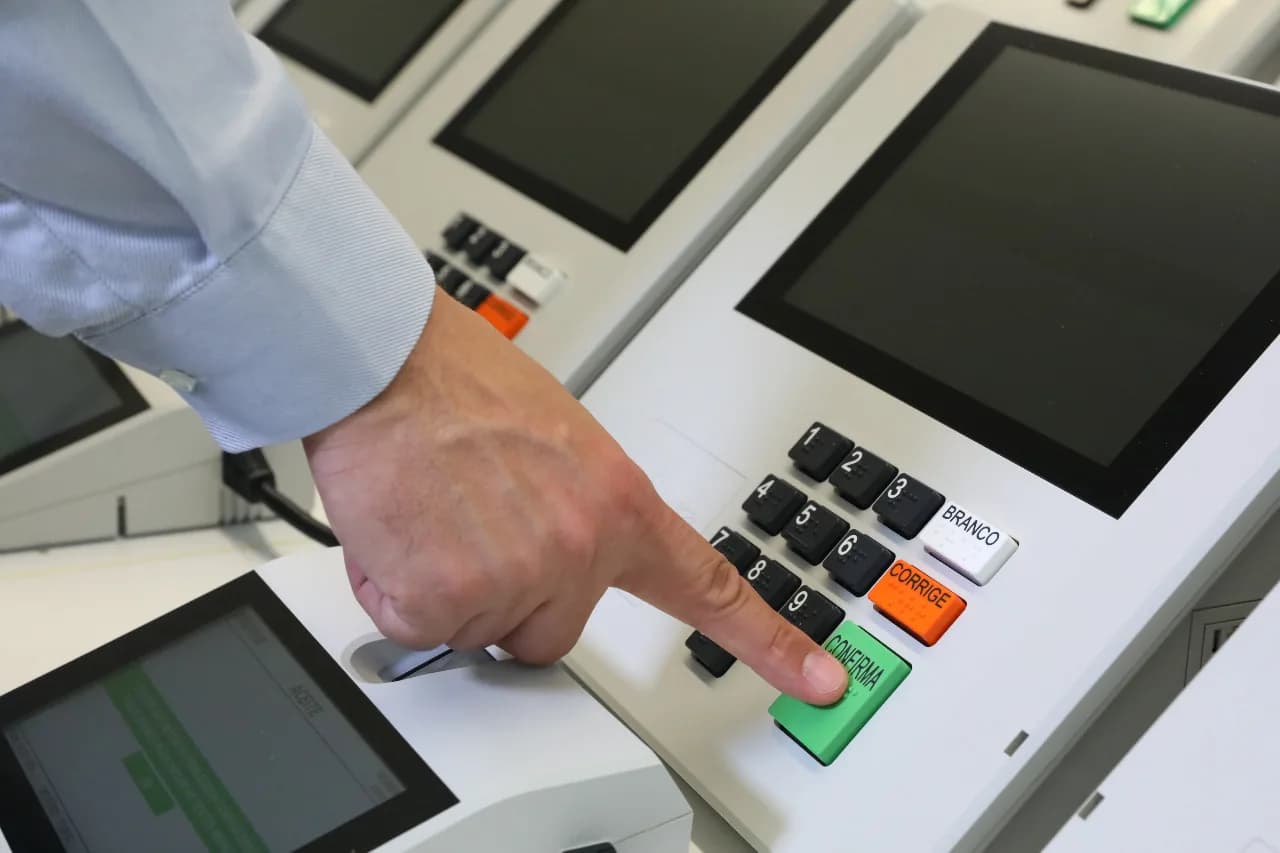
Brazil will hold the first round of its presidential election this Sunday, October 4, with the contest concentrated between Luiz Inácio Lula da Silva and Flávio Bolsonaro. Polls show the current officeholder with a numerical lead in various surveys and a tight scenario for a possible second round. The campaign has been marked by cross-accusations, economic concern and a growing religious controversy. Attention is focused both on Sunday's result and on the possibility of a runoff.[S1]
A second round is scheduled for October 25 and will take place if no candidate wins more than half of the valid votes. Lula is seeking a fourth presidential term, while his main rival is Senator Flávio Bolsonaro, son of former president Jair Bolsonaro. The former president remains detained after being convicted over the attempted coup that followed his electoral defeat in 2022.[S1]
The former president's judicial situation runs through the competition and recalls another episode in Brazilian politics: in 2018, Lula was in prison and could not take part in the election won by Jair Bolsonaro. His convictions were later annulled by the Supreme Federal Court, which declared the Curitiba court that had prosecuted him incompetent. That decision allowed him to recover his political rights.[S1]
Economy and inflation in the debate
On the economic front, concern centers on rising public spending, falling revenue and weakening consumption. Whoever takes the presidency will face pressure to put the fiscal accounts in order. Inflation has also entered the debate. IPCA-15, considered a preview of the official index, rose 0.7% in September after a 0.4% drop in August. The 12-month accumulated rate reached 4.47%, close to the upper limit of the inflation target.[S1]
Another element of the campaign's close is the Lula government's decision to ban fixed-odds betting, known as bets. The measure will have consequences for tax revenue linked to that activity. The Brazilian government presented the ban as part of a package to protect indebted families.[S1]
Religious controversy and the electoral map
The religious controversy arose from the circulation of a false news story attributing to Flávio Bolsonaro the intention of removing from Our Lady of Aparecida her status as patroness of Brazil. The candidate denied that version, which generated repercussions in the Catholic Church and became one of the most discussed issues of recent days.[S1]
As for the electoral map, the weight of São Paulo, Rio de Janeiro and Minas Gerais stands out. Recent surveys show Flávio Bolsonaro better positioned in the first two states and a close race in Minas Gerais, a district that could prove decisive. With the last campaign events under way, attention is focused on how much support each candidate will get and what margin the first round will leave for subsequent negotiations. The president-elect will take office on January 5, 2027.[S1]