A message on the eve of the vote
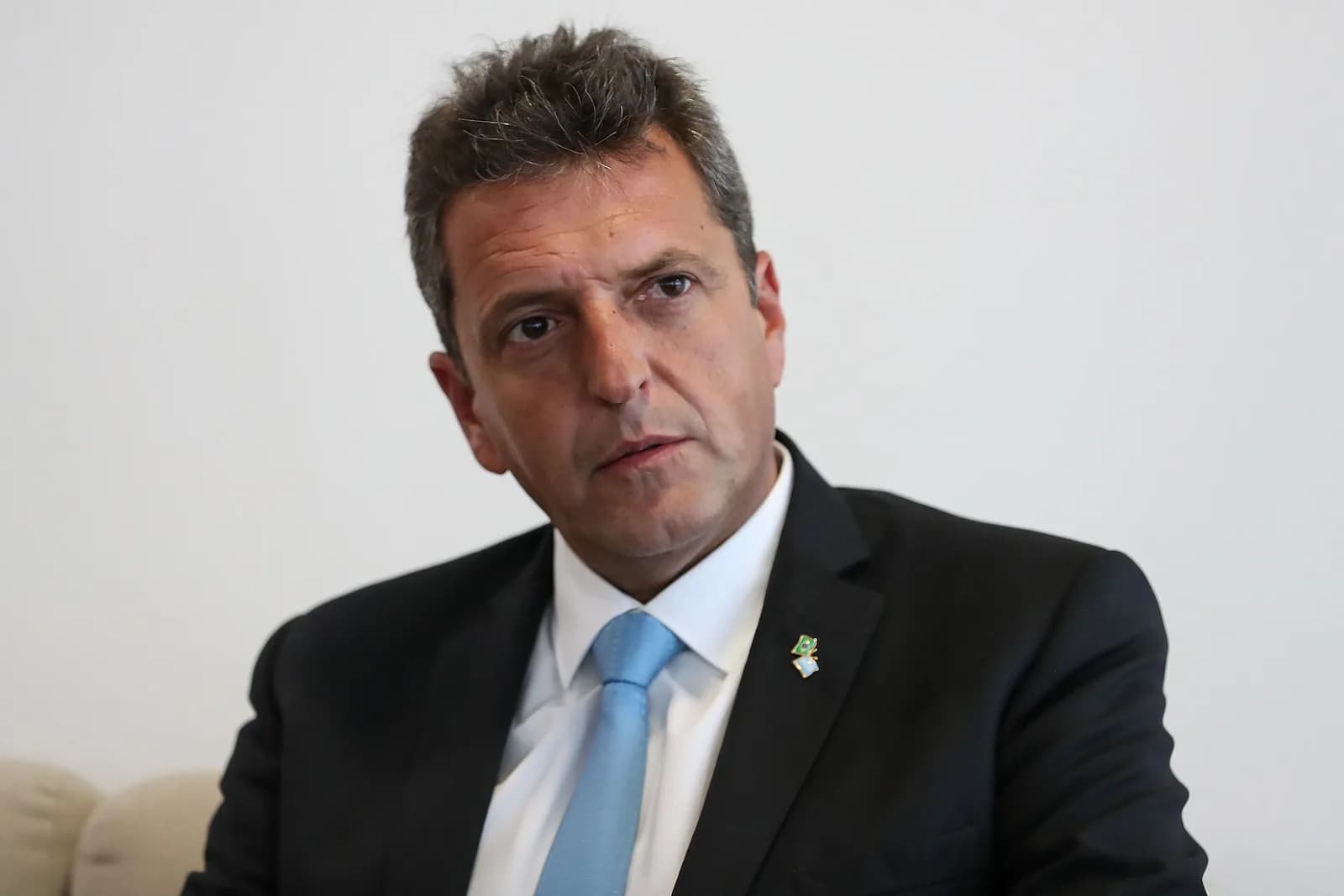
Sergio Massa publicly renewed his support for Luiz Inácio Lula da Silva one day before Brazil's presidential runoff, using his account on X to make the gesture. The leader of the Frente Renovador framed his backing as unconditional, signaling that he intends to stay on the Brazilian president's side beyond the vote itself. The statement came as the Brazilian campaign closed amid polls showing an extremely tight race and with economic and geopolitical expectations running high across the South American bloc.[S1][S2][S3]
The runoff, scheduled for Sunday, October 25, pits the incumbent president against Flávio Bolsonaro, a senator and the son of former president Jair Bolsonaro. In the first round held on October 4, Flávio Bolsonaro took 47.03% of valid votes against 45.16% for Lula. Because neither candidate crossed the halfway mark of valid ballots, both advanced to the second round.[S2]
The decisive round arrives with a narrow gap. A poll released on Saturday put Bolsonaro at 46.3% of voting intention and Lula at 45%. The survey was carried out between October 21 and 23 with a sample of 2,032 people and carries a margin of error of 2.2 percentage points.[S2]
A long-standing political bond
Massa's latest expression of support adds to other backing that Peronist figures have given the Brazilian president during the electoral process. Earlier in October, Massa had already shared images alongside Lula on social media. Senator Eduardo Wado de Pedro and deputy Victoria Tolosa Paz also voiced their support, stressing their political ties to the leader of the Workers' Party and their preference for continuity in the Brazilian government.[S2]
The relationship between Massa and Lula has included concrete institutional work. In July 2023, during the Mercosur summit in Puerto Iguazú, the two discussed financing alternatives from Brazil's National Bank for Economic and Social Development for companies linked to construction of the Néstor Kirchner gas pipeline.[S2]
What the result means for Argentina
Brazil's electoral outcome draws regional attention because of its possible effects on relations with Argentina. Lula and Javier Milei's government hold differing political positions, while Flávio Bolsonaro represents an ideological space close to that of the Argentine president. The result will carry implications for the bilateral agenda between the two countries, Mercosur partners and central actors in South American trade.[S2]