Factories close as protests spread in Gazipur
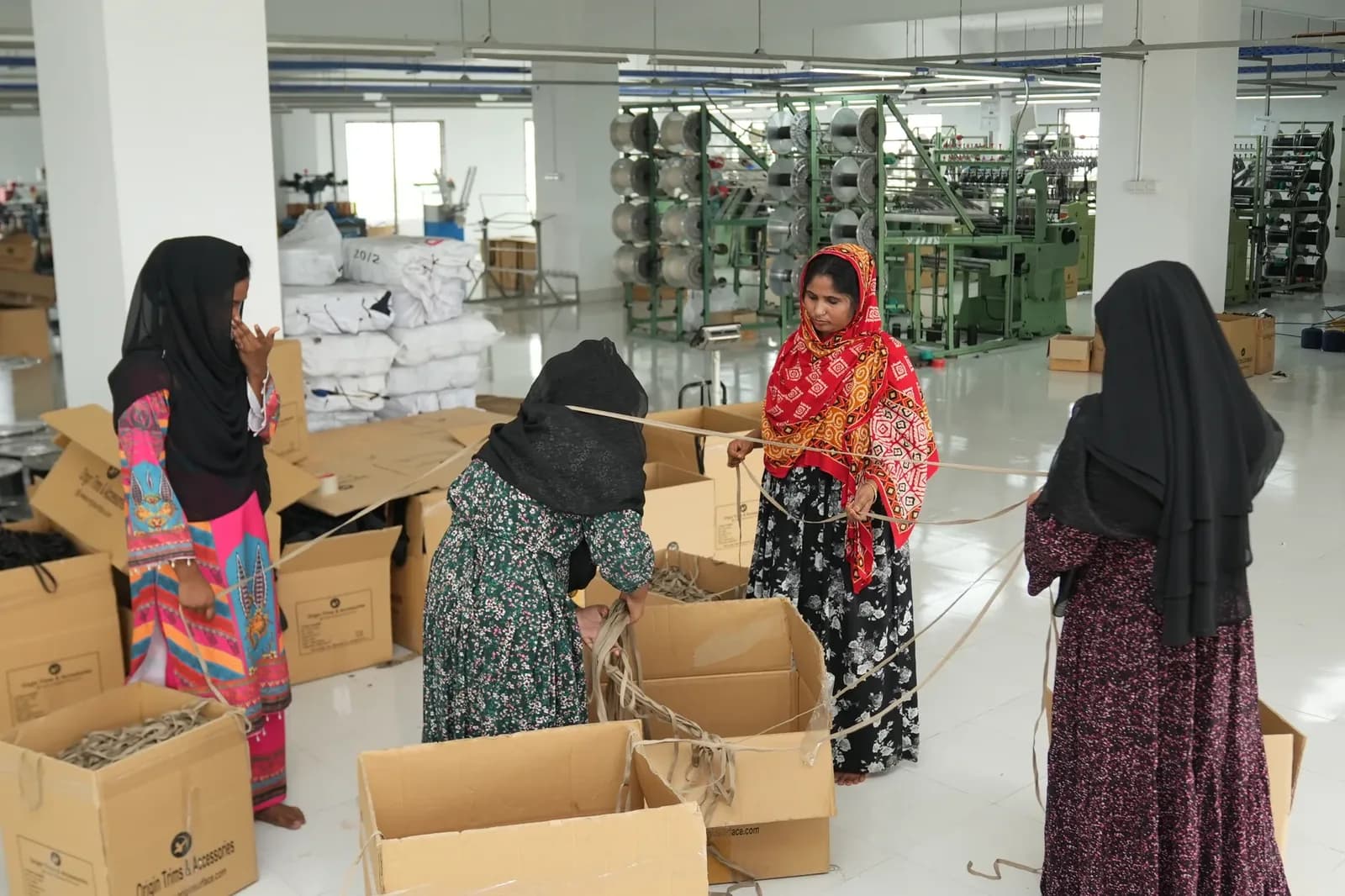
Fresh labour unrest shook Bangladesh on Sunday, with thirteen garment factories closing indefinitely and five others granting a one-day holiday as workers stepped up demands for a substantial minimum wage increase. The disruption occurred one day before the government-appointed wage board was set to meet and discuss a revised pay structure.[S1][S2]
Protesting workers assembled in the Konabari and Mouchak areas of Gazipur, where police fired tear gas and sound grenades to break up the crowds. Factory owners reported that roughly 50 units across the industrial zone were shut, though production carried on at most plants.[S1][S3]
Gazipur Industrial Police Superintendent Amzad Hossain said workers tried to gather at various locations in the morning, but law enforcement officers stopped them through swift action and stayed posted at every key point in the industrial area.[S1]
To keep order and protect the factories, authorities deployed thirteen platoons of Border Guard Bangladesh personnel together with police in riot gear and the elite Special Response Battalion. Twenty-five executive magistrates were also assigned to supervise security arrangements.[S1]
The wage demand and the board's timetable
Garment workers have been protesting for weeks, seeking to raise their minimum monthly wage from 12,500 taka, about $100, to 30,000 taka, about $240. They argue that current earnings cannot cover rising costs for food, housing, transport and healthcare, and their demonstrations have centred on a living wage to survive.[S1][S3][S4]
On November 1 the government set up a Minimum Wage Board tasked with proposing a revised pay structure. The board intends to wrap up its recommendations by the close of November, the new wage rates are meant to apply from December 1, and employees should see their first pay packets under the updated scale in January.[S1]
The Bangladesh Garment Manufacturers and Exporters Association stated that its delegates would turn up at Monday's meeting to present the industry's proposal, while adding a caveat that whether it stays involved in subsequent talks will hinge on how circumstances develop.[S1]
Export risks in the peak season
The turmoil has fuelled worries that exports could be disrupted as factories work through their busiest stretch for spring and summer orders. Manufacturers have cautioned that if shutdowns drag on, consignments may be held up and buyers could pull their orders.[S1]
Only China ships more ready-made garments than Bangladesh, which holds second place globally. The industry provides jobs to upwards of four million people and accounts for more than 80 per cent of what the country earns from exports.[S1]