Troops spread across three industrial belts
Thirty-three platoons of Border Guard Bangladesh have been posted along major industrial corridors in Dhaka, Gazipur and Narayanganj following recent disturbances in the readymade garments industry. Shariful Islam, the force's public relations officer at headquarters, confirmed the move on Sunday. The troops are stationed at Savar, Ashulia and Mirpur in Dhaka, according to the account given by the paramilitary force.[S1][S2][S3][S4][S5][S6][S7]
In Narayanganj, personnel are positioned at Shibu Market, Jalkuri, the BSCIC Industrial Area, Chashara, Kanchpur and Shimrail. The Gazipur list covers Chandra, Palli Bidyut, Mouchak, Ambagh, Kashimpur, Nawjor, Bhogra Bypass, Gacha and Salna. Shariful said field operations are being watched from a surveillance room at BGB headquarters that uses technology and live video feeds, and that personnel are on high alert while working alongside the local administration and police.[S1]
The force said the deployments and monitoring will remain in place to safeguard life, property and supply chains and to keep production running normally in the plants. Reporting elsewhere described the use of drones for surveillance over the industrial areas, underscoring that the operation relies on remote observation as well as boots on the ground.[S1][S8]
Wage protests preceded the security buildup
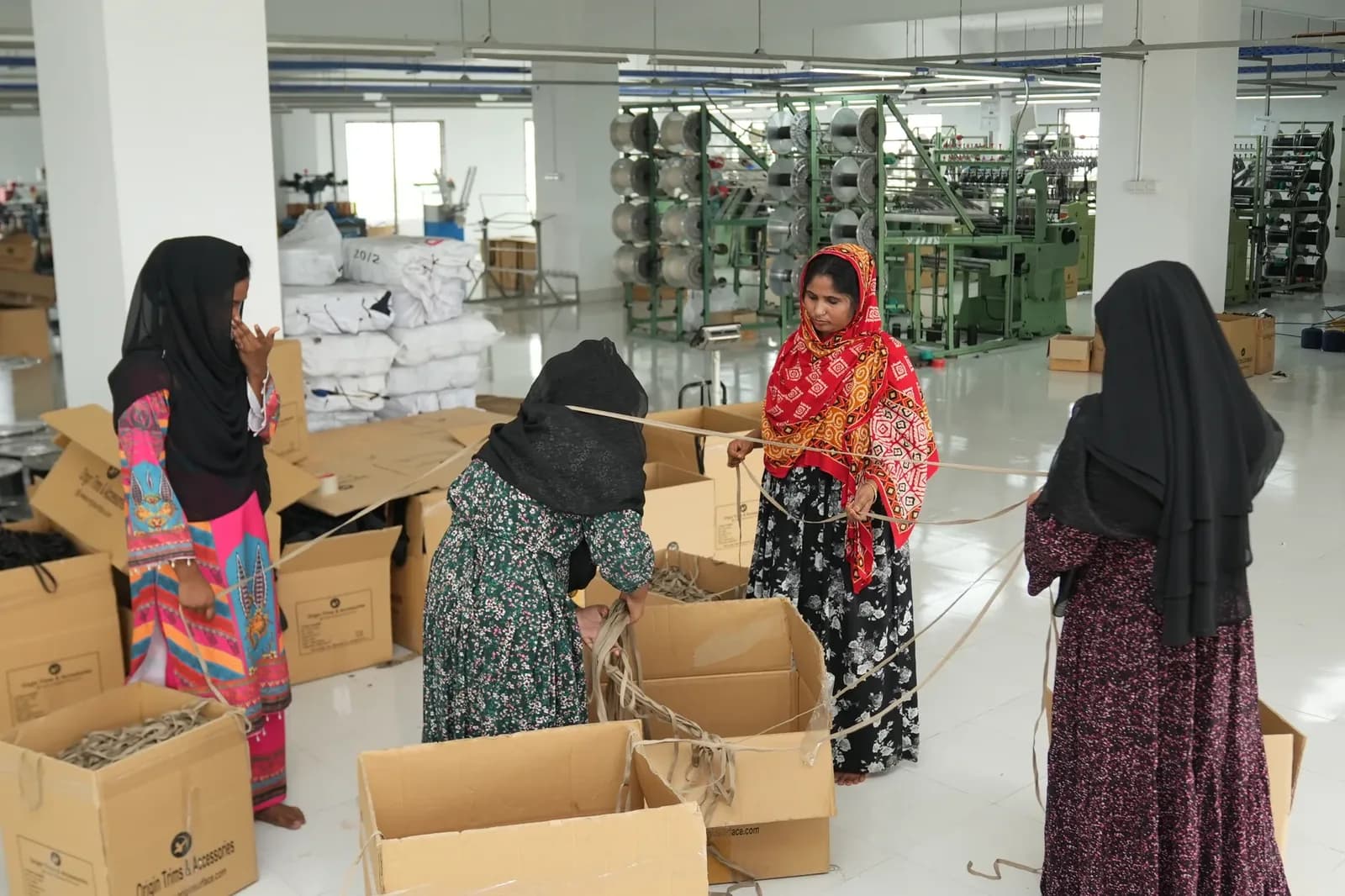
Garment workers in Dhaka, Gazipur and Narayanganj had been demonstrating for a minimum monthly wage of Tk 30,000. A number of the protests became violent, producing clashes with police and with outside elements, while activists from the ruling party were seen patrolling streets carrying sticks. The security deployment followed that unrest.[S1]
Tensions have eased considerably since the garment industry's minimum wage board convened for the first time on Nov 4. According to the board, a revised pay structure will be introduced in December, with the higher wages reaching employees' salaries in January. The last revision was declared in November 2023 and came into force the following month, meaning the existing five-year wage cycle concludes this November.[S1]
Under the 2023 change, the garment minimum wage rose from Tk 8,000 to Tk 12,500, an increase of 56.25 percent. The new board process now sets the next figure, and the gap between the Tk 30,000 demanded on the streets and whatever the board approves remains the central question for workers and factory owners alike.[S1]