A package aimed at oil revenue and shipping
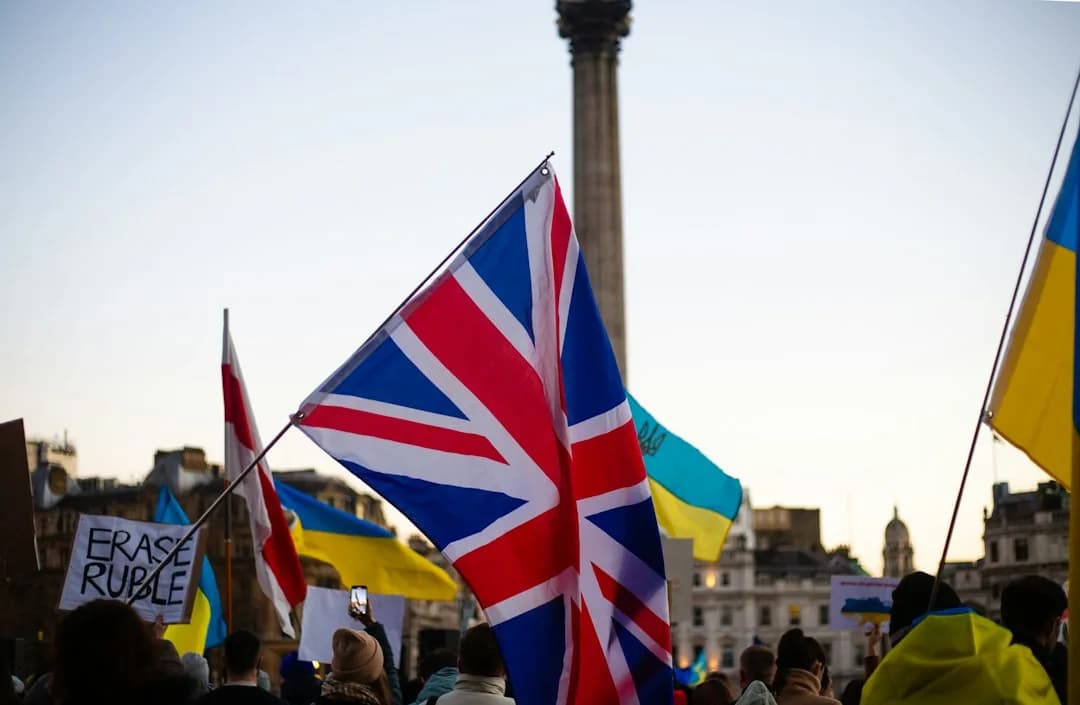
Britain unveiled a substantial new round of sanctions against Russia's energy and shipping industries on Nov. 12. According to the Foreign Ministry, the measures leave the United Kingdom as the only nation on earth to have placed restrictions on all ten of Russia's biggest oil producers. The package also names Slavneft, extending the list of targeted crude exporters.[S1][S2][S3][S4][S5][S6][S7][S8]
The logic behind the design is financial. Oil exports and maritime transport bring Moscow substantial income that helps pay for its full-scale war in Ukraine. By going after firms that produce and trade energy as well as the shipping networks that move the cargo, London aims to squeeze those earnings and reduce the Kremlin's capacity to finance the conflict.[S1]
Burnham takes the case to Dublin
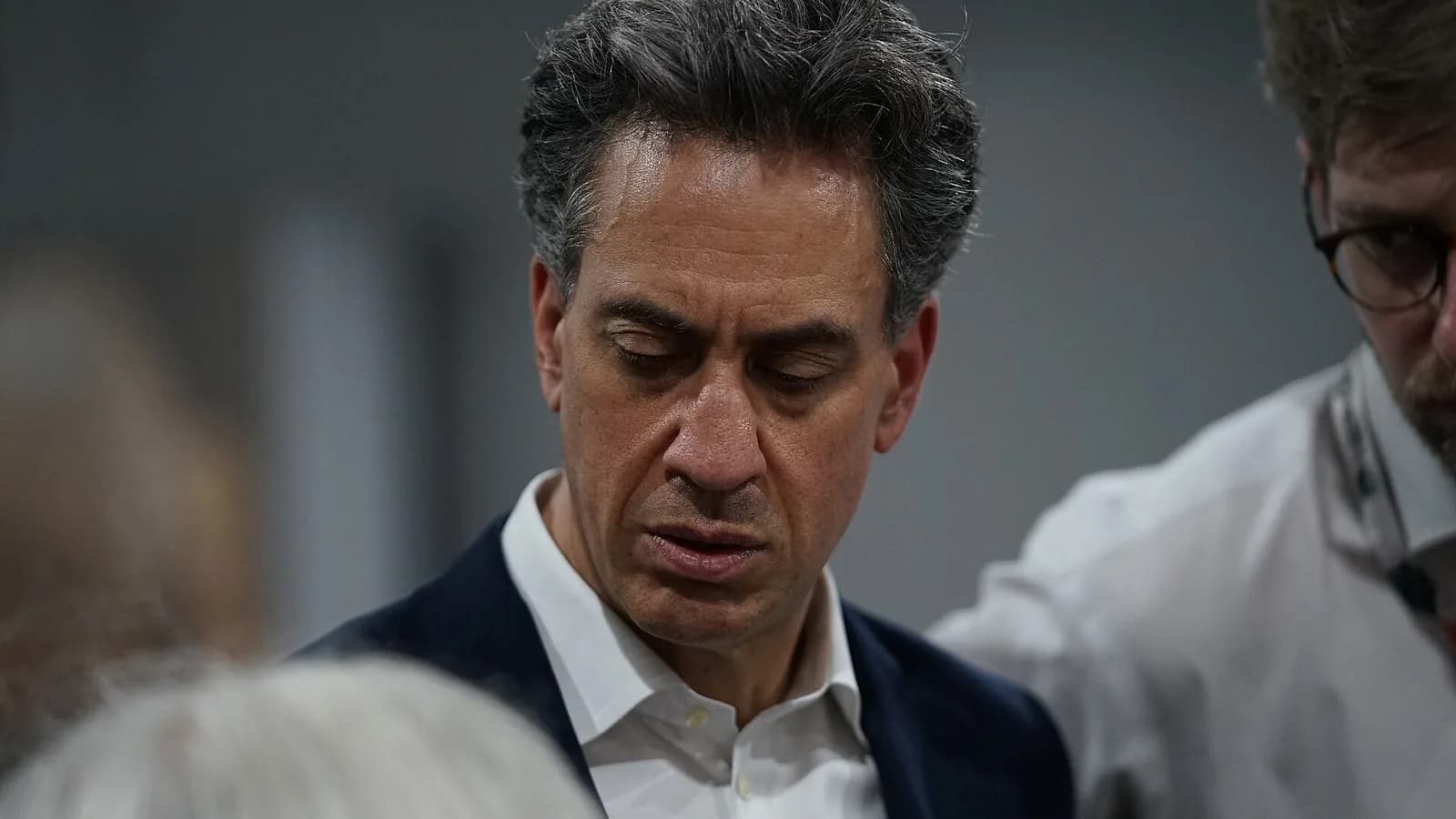
Prime Minister Andy Burnham argued that the moment calls for sustained pressure so that Russia accepts an immediate and complete ceasefire. He intends to use the European Political Community summit in Dublin to press other governments to add economic weight against Moscow and bring the war to a close.[S1]
Burnham described the Ukraine negotiations as having made headway while warning that complacency would be a mistake. He said the momentum from the talks should be used to find a path that protects security both at home and across the continent. His remarks followed the end of three-way peace talks involving Ukraine, Russia and the United States in Abu Dhabi, a subject expected to dominate the Dublin gathering.[S1]
Europe's purchases undercut the united front
The British push comes as European buying of Russian fuel complicates any claim of a common front. A Nov. 12 report from the Center for Research on Energy and Clean Air found that Spain took in 138,000 metric tonnes of Russian liquefied natural gas in October, even though it had stopped such imports in September.[S1]
The wider figures point the same way. The sanctions-monitoring group Urgewald said on Nov. 12, drawing on Kpler data, that the European Union had spent roughly 8.7 billion euros, or about 9.6 billion dollars, on liquefied natural gas from Russia's Arctic Yamal project during the first ten months of the year.[S1]