New Rules for Algorithmic Feeds
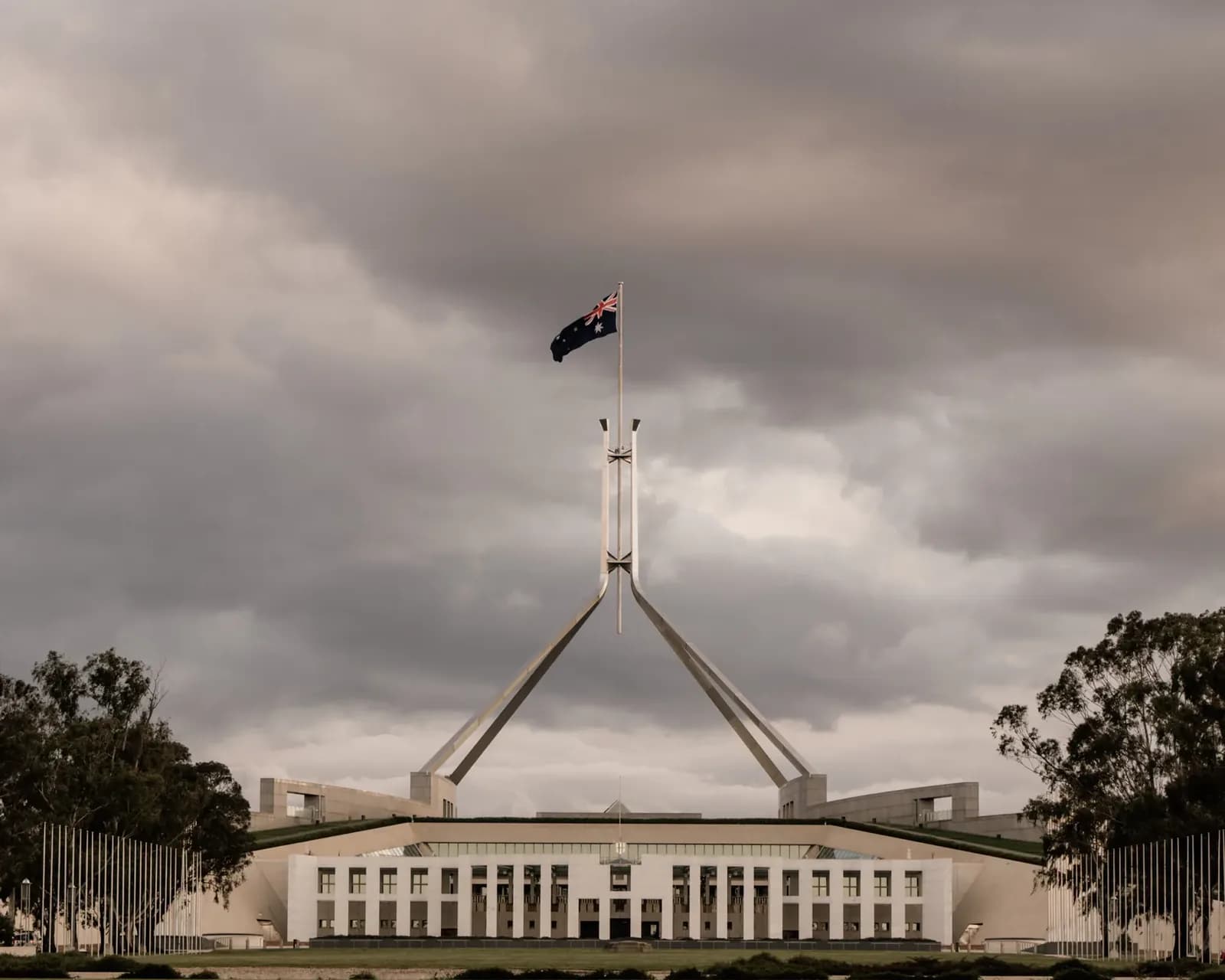
Australia is set to introduce legislation that would allow social media users over 16 to opt out of algorithmic content feeds. Instead, they would see posts only from accounts they follow. Platforms that fail to comply could face fines exceeding A$100 million. The initiative, called 'my feed, my way,' would prompt users to choose their default feed via a pop-up.[S1]
The new regulations also establish a digital duty of care for minors, obligating platforms such as online games, apps, and AI chatbots to shield young users from particular dangers. These dangers encompass explicit sexual content, material encouraging disordered eating, sexist or anti-female messaging, content celebrating unlawful acts or risky feats, and material that induces severe psychological distress, including harassment and intimidation.[S1]
Government and Industry Reactions
Prime Minister Anthony Albanese is expected to present the plans at the UN General Assembly in New York. He emphasized that the goal is to give people control, not government control. He dismissed concerns about retaliation from big tech, which has ties to US President Donald Trump. The Labor government needs Greens support to pass the laws, as the Liberals and Nationals oppose them, warning against internet censorship.[S1]
Communications Minister Anika Wells said tech companies have long conducted unregulated product testing on Australians, adding that a 'global reckoning' for big tech is coming. The legislation is expected before Christmas but will face a public inquiry. The Greens' Sarah Hanson-Young argued that opt-out is insufficient, calling for lower harm thresholds and penalties based on global revenue.[S1]
Support and Criticism
DIGI, a lobby group for tech companies like Meta and Snapchat, defended algorithms as helpful but acknowledged community concerns. They support giving users meaningful choice while managing safety risks. Campaigner Chanel Contos of Teach Us Consent called the draft a good first step, saying big tech must ask for consent before introducing harmful features.[S1]
Tom Mooney of Democracy Counts stressed that social media is where many Australians get news, so giving users choice is common sense. Countries like France, Britain, and New Zealand are following Australia's lead on child social media bans, though research shows Australia's December measures are only partly effective.[S1]