A prisoner freed without a swap
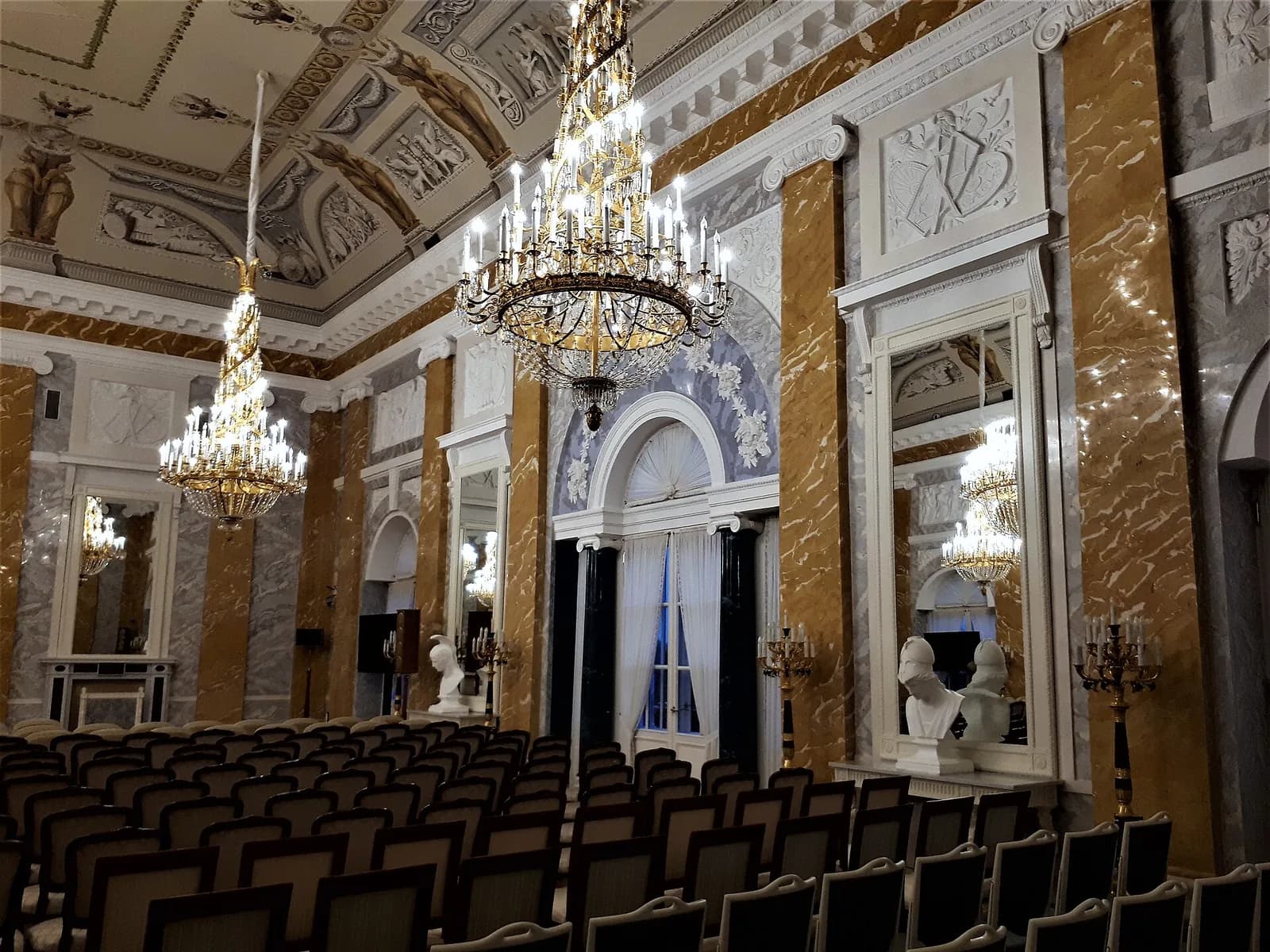
Vladimir Putin signed off on the release of an American prisoner while receiving Donald Trump's envoy, Steve Witkoff, at the Constantine Palace in St Petersburg on Wednesday for another round of talks on halting the war in Ukraine. The detainee was Stephen Hubbard, a 74-year-old former teacher who had been behind bars in Russia for over four years facing accusations of serving as a mercenary for Ukraine. Moscow acted on its own rather than through an exchange, a departure from earlier cases involving detained Americans.[S1][S2][S7][S8]
Trump had earlier urged Putin to let Hubbard go, and after the release was made public he wrote on Truth Social that it came in response to a request he had put to the Russian leader directly the previous week. According to Trump's post, Washington owed nothing in return, a situation he described as unprecedented for Russia, and he stressed that no swap had been required.[S1][S4][S6]
Warm words in the palace, cold shoulder for Kyiv
Witkoff used the televised portion of the meeting to compliment Putin, calling the Russian president a humanitarian and saluting him, and he passed on Trump's gratitude for a contested arrangement restoring Russian diesel shipments to the United States. That cordiality contrasted sharply with the hardening tone senior US officials, Trump foremost among them, have aimed at Volodymyr Zelenskyy, whom the US president has urged to step down and cast as the chief barrier to peace.[S1]
The envoy had flown to Russia from Oslo, where the day before he saw Zelenskyy and European leaders in a bid to revive negotiations that have lost momentum as Russia's full-scale invasion enters a fifth year. In front of cameras in St Petersburg, Witkoff said he had brought papers containing ideas for a peace agreement between Russia and Ukraine for Putin to study. The trip was his ninth to Russia since Trump gave him the war-ending brief.[S1][S5]
Understand this article deeper
What Washington has done to Kyiv
Relations between Washington and Kyiv frayed after Trump unexpectedly lifted sanctions on Russian diesel under a deal with Putin, then called for Zelenskyy to be replaced when Ukraine declined to stop striking Russian oil refineries. Kyiv has since reported interruptions to US intelligence-sharing and limits on its use of Starshield, the military-grade variant of Elon Musk's Starlink network. Zelenskyy said on Tuesday that Washington had resumed advance warnings of Russian missile attacks following his Oslo meeting with Witkoff.[S1]
The limits placed on Starshield have not been lifted, and no one has confirmed who set them. According to a Wall Street Journal report on Tuesday, Musk issued the instruction personally, whereas Reuters, citing its sources, said the directive came from people within the White House.[S1]
No breakthrough in sight
Putin thanked Trump and his wife, Melania, for their interest in ending the war, and Witkoff said the peace effort had gained some momentum, calling the Oslo talks constructive. Even so, nothing points to an imminent breakthrough. Ukraine has repeatedly sought a ceasefire, including an end to strikes on energy infrastructure, yet Moscow has offered scant indication it will stop bombarding Ukraine as winter nears, apparently betting that sustained pressure will wring more concessions from Kyiv.[S1]
The Russian leader continues to press maximalist aims, among them full Russian control of Ukraine's eastern Donetsk region. Putin also highlighted the economic opening that peace could bring, floating a substantial rise in Russian fertiliser exports to the American market. Russian officials said the first tanker of diesel bound for the US would leave on Thursday within an initial shipment of roughly 300,000 tonnes. Energy analysts and traders have doubted that the temporary resumption of Russian diesel imports will bring American consumers meaningful relief before the midterm elections, arguing the volumes are too small to loosen the global supply squeeze.[S1]