Legal pressure reaches the markets
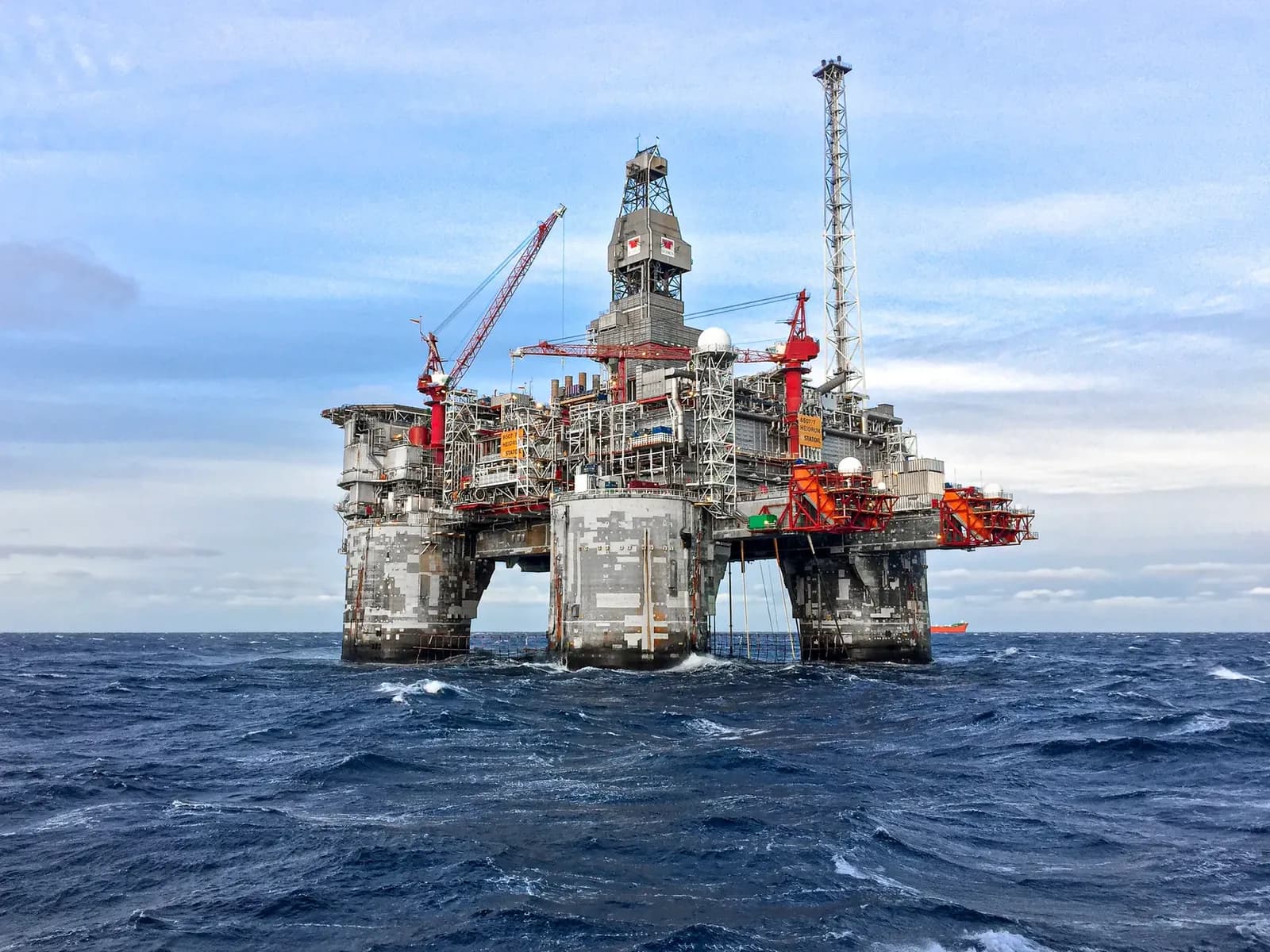
Argentina's legal, regulatory and diplomatic campaign against hydrocarbon exploration at Sea Lion, a field located north of the Falkland Islands, has begun to register financial and logistical consequences for the consortium run by British and Israeli companies. With the International Tribunal for the Law of the Sea in Hamburg due to rule on November 28 on the provisional measures Buenos Aires requested to stop the drilling, the preventive pressure has already produced operational losses.[S1]
According to the foreign ministry, enforcement of the sanctions in force, which bar companies from operating on Argentine territory and provide for criminal action against oil firms and contractors, has triggered a wave of key defections. The British firm Rockhopper Exploration had to notify the London Stock Exchange that two of its contractors walked away from the project out of concern about judicial and commercial retaliation.[S1][S2]
The ministry also pointed to the market reaction, stating that by the end of the week Rockhopper Exploration shares had fallen 1.2% in London while the stock of its Israeli partner Navitas Petroleum dropped 6.59% in Tel Aviv. Rockhopper holds 35% of Sea Lion and Navitas the remaining 65%, with the latter in charge of operations.[S1][S2]
A shipyard in Singapore weighs a cancellation
The difficulties have also reached Seatrium, a shipyard based in Singapore that is evaluating whether to cancel modernisation work on the Aoka Mizu, a floating production, storage and offloading unit. The specialised outlet Upstream reported the situation on November 20. The vessel is a central piece of the infrastructure Sea Lion needs to process and store the crude extracted from the field.[S1][S2]
Understand this article deeper
No final decision has been taken on the possible cancellation, but the review adds uncertainty about the availability of the equipment required to move toward commercial extraction. Rockhopper said it does not expect a material adverse effect on the development of the field or changes to the overall schedule, and indicated that Navitas is at an advanced stage of negotiations to replace the departing firms.[S2]
Diplomacy, Congress and the road to 2027
Foreign minister Pablo Quirno restated Argentina's position during an appearance at the Marval Legal Forecast 2027 event, arguing that once a drop of oil is extracted it cannot be recovered. He warned that international arbitration will continue with absolute firmness beyond the provisional ruling from Hamburg and told corporate actors that operating illegitimately carries a high cost of doing business.[S1]
Alongside the international front, the national government is pushing a bill on the Defence of National Sovereignty through Congress, designed to toughen the sanctions regime and block future unauthorised incursions in the South Atlantic. Debate in the Chamber of Deputies was frustrated this week for lack of a quorum, but the government is keeping the judicial route and commercial pressure as its pillars for halting unilateral exploitation of resources in disputed areas.[S1]
Despite the setbacks reported to investors, Rockhopper argued that Navitas, the majority operator, maintains its plan to move Sea Lion forward toward 2027 in the NDA 1 phase, seeking replacements for the departing firms to soften the effects of Argentina's legal blockade.[S1][S2]