Hearings fixed for 10 and 11 November in Hamburg
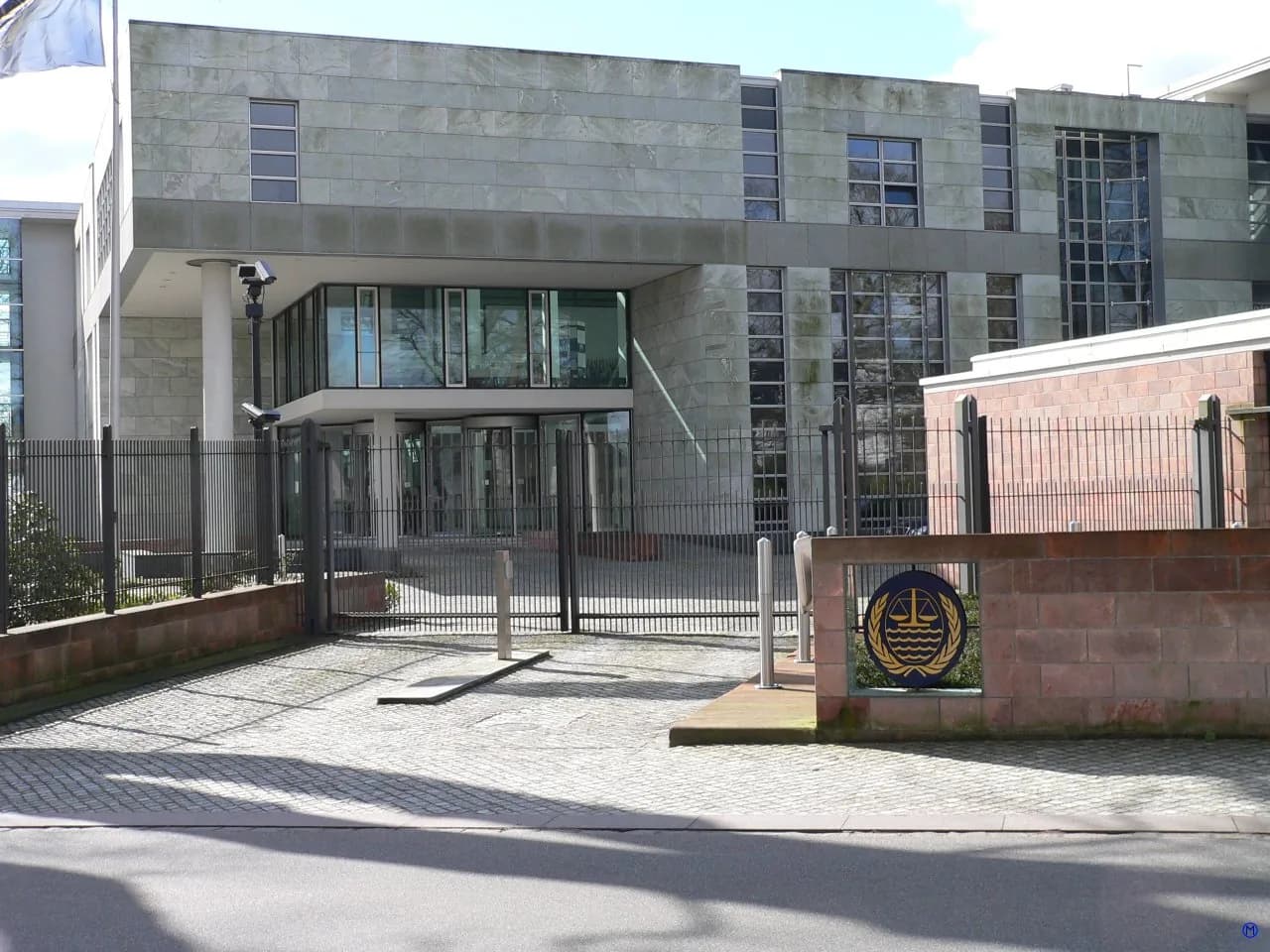
The International Tribunal for the Law of the Sea has set 10 and 11 November 2026 as the dates for public hearings in the case Argentina brought against the United Kingdom over hydrocarbon exploitation in the Falkland Islands. The schedule was formalised in an order signed on Tuesday by the tribunal's president, Judge Maurice K. Kamga, and published by the Hamburg-based body. The order states that the dates were fixed after the views of both parties were consulted, and that the subsequent procedure is reserved for a later decision.[S1][S2][S3][S4][S5][S6][S7][S8]
The proceedings are listed as case number 37 on the tribunal's docket and concern hydrocarbon exploitation in the south-western Atlantic, with Argentina and the United Kingdom as the parties. Sessions will take place in the tribunal's main chamber and will be open to the public, with live streaming on the institution's website. Accredited journalists may attend and record audio and video without disrupting the proceedings, and verbatim records are to be published on the case page shortly afterwards. The tribunal has not yet announced the starting time of each day.[S2][S3][S5]
Diplomats, consular staff and members of the public who wish to attend in person must register in advance with the press office. Recordings of each session will be kept in the tribunal's transmission archive.[S3]
What Argentina is asking the tribunal to order
Buenos Aires lodged its request on 13 October, invoking article 290, paragraph 5, of the UN Convention on the Law of the Sea, which allows provisional measures to be sought while an arbitral tribunal is still being constituted. The filing followed the expiry of a two-week deadline Argentina had given London at the end of September to stop the Sea Lion project. The application runs to 49 pages and was signed by Ambassador Mario Oyarzábal as agent before the tribunal.[S1][S3][S4][S5]
Argentina wants the United Kingdom ordered to prevent the start or continuation of oil extraction in the area, to refrain from using exploration data in a way that harms Argentine rights, to stop obstructing Argentine environmental protection duties under articles 192 and 194 of the convention, and to issue no new permits that could aggravate the dispute. The government frames the request as a means of preserving what it calls its sovereign rights over the continental shelf and of averting irreversible harm to the marine environment.[S2][S3][S4][S5]
The tribunal will not rule on who holds sovereignty over the islands. Its task in November is limited to deciding whether urgent provisional measures are warranted and to questions of its own competence, including whether jurisdiction exists prima facie and whether the urgency and proportionality tests are met. Any measures it grants would bind both parties; once constituted, an Annex VII arbitral tribunal may keep, alter or lift them.[S1][S5][S6]
Sea Lion, Navitas and the wider dispute
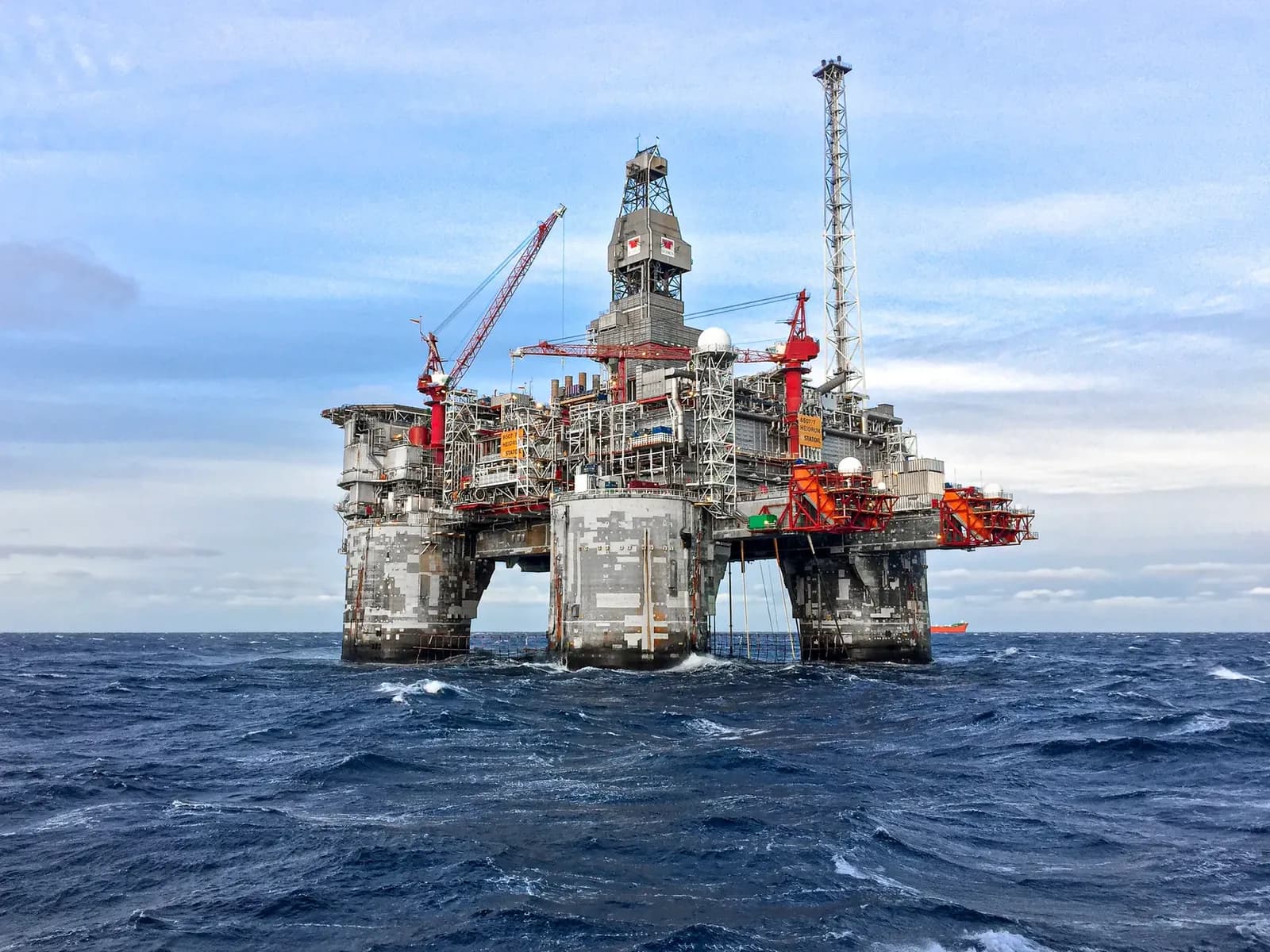
The Argentine claim targets Sea Lion, a development north of the islands operated by Israel's Navitas Petroleum, which holds 65 percent, alongside Britain's Rockhopper Exploration with 35 percent. The companies plan drilling during 2027 and commercial production from 2028. Argentina argues that unilateral exploitation could cause irreversible damage and deepen the sovereignty controversy, while London maintains that commercial activity on the islands is lawful and that the licences remain valid.[S1][S2][S4]
Britain has said it will take part in the proceedings. According to Reuters, Foreign Office parliamentary under-secretary Uma Kumaran argued that the Argentine filing neither invalidates the licences nor requires operations to stop. The UK rejected the requested measures on 11 October in a note that Argentina's filing characterises as a mere restatement of arguments already made.[S2][S5]
The tribunal was created in 1982 under the law of the sea convention, sits in Hamburg and has 21 judges; its current vice-president is Argentine, and the United Kingdom, which has no judge on the bench, may request one ad hoc. Argentina previously turned to the body in 2012, when it sought provisional measures to free the training ship Fragata Libertad from detention in Ghana at the request of a hedge fund. The present case is very different, but that episode showed how the tribunal could extract the vessel from the tangle of domestic legislation applied by Ghana.[S1]