Buenos Aires takes its case to Hamburg
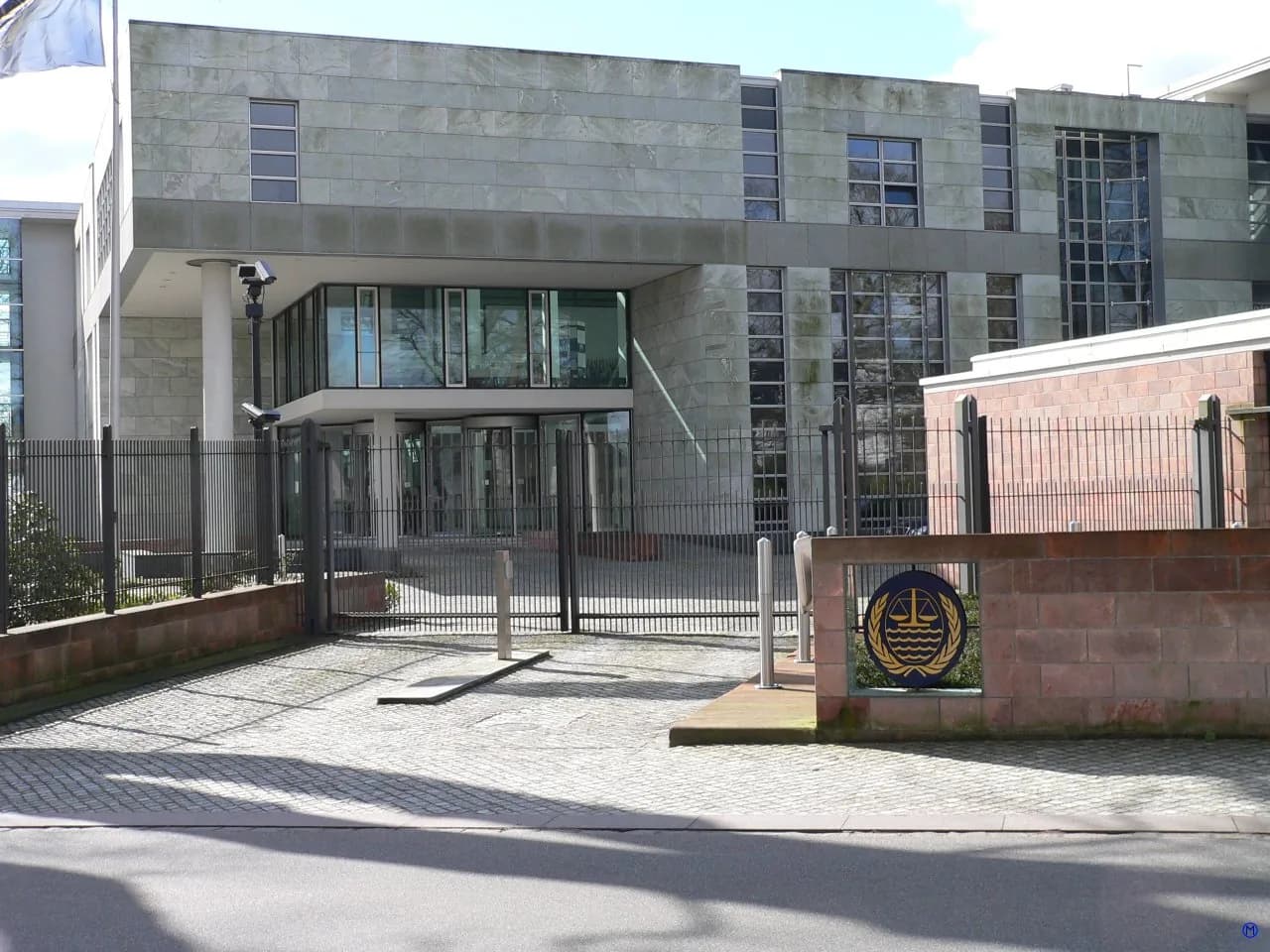
Argentina has told the International Tribunal for the Law of the Sea in Hamburg that Britain's decision to allow oil drilling near the Falkland Islands has sharply worsened a sovereignty dispute that erupted into war more than four decades ago. Opening an unprecedented legal confrontation, the Argentine legal team argued that the project should be paused while the case proceeds.[S1][S2][S3]
Javier Oyarzábal, the chief legal adviser at Argentina's foreign ministry, contended that the roughly 3,400 residents of the islands, which Buenos Aires regards as disputed British overseas territory, hold no entitlement to the resources in the surrounding south Atlantic waters. He said Argentina honours the islanders' interests and way of life under its constitution, but rejected any right on their part to determine which state the archipelago belongs to.[S1]
He described the resources as the property of the Argentine people, numbering about 46 million, and said the interests of the 1,247 islanders born on the islands would be taken into account. Oyarzábal also said Buenos Aires was prepared to negotiate every aspect of the Falklands question, known in Argentina as the Malvinas, including what he called the added tension created by London's actions.[S1]
Drilling, revenue and a military presence
The Argentine side accused Britain of declining talks on sovereignty while pressing ahead with natural-resource exploitation in a manner that would lock in the current situation. Oyarzábal asserted that oil revenue would fund the military base and presence underpinning British de facto control of the territory.[S1]
Speaking to the tribunal's president, Cameroon's Judge Maurice Kamga, the Argentine counsel contended that London was having it both ways: invoking the sovereignty dispute to deny the court jurisdiction while exploiting the contested waters' resources as if the ownership question had already gone its way. The Sea Lion venture in the North Falkland basin, run by Israel's Navitas alongside British partner Rockhopper, has the potential to multiply the islands' per-capita GDP by three.[S1]
Argentina's president, Javier Milei, has called the project unlawful, and his government has sought arbitration at Itlos, saying Britain's approval breaches a 1976 UN resolution that urged both sides to refrain from unilateral steps on the islands pending a settlement. Argentina wants urgent provisional measures, including a British commitment to stop drilling, which Oyarzábal said would merely preserve the existing situation and open the way to constructive sovereignty talks.[S1]
Environmental warnings and the question of jurisdiction
The tribunal heard Argentina characterize London's decision to permit drilling from March next year as the unilateral conduct of a colonial power. Argentina further claimed that Sea Lion threatens an environmental disaster close to its coast and would make a peaceful resolution of the sovereignty dispute harder or even impossible.[S1]
Oyarzábal contended that any blowout or spill would fall to Argentina, rather than to a country some 12,700km distant, to deal with and answer for, pointing out that the drilling site lies inside a search and rescue zone under Argentine responsibility. The 1982 conflict over the islands claimed 649 Argentine and 255 British military lives, along with those of three Falkland Islanders.[S1]
This is the first occasion on which substantive questions concerning the Falklands have been argued before an international court. Islanders see the oil venture as a means of safeguarding their economic future and creating a sovereign wealth fund as the fishing stocks they depend on shrink. Princess Anne travelled to Port Stanley on Monday as a gesture of support, while UK attorney general Ellie Reeves was present at Tuesday's session.[S1]
Reeves accused Argentina of seeking to pursue the sovereignty question through Itlos, an independent judicial body set up under the 1982 UN convention on the law of the sea to handle maritime disputes, saying that forum was not the proper venue for deciding sovereignty. On whether Britain would honour any judgment, she said the result could not be predicted, but that London rejected the tribunal's jurisdiction over sovereignty, while stressing UK respect for the court and its institutions. The hearing is ongoing.[S1]