Legal push to guarantee access to the ballot
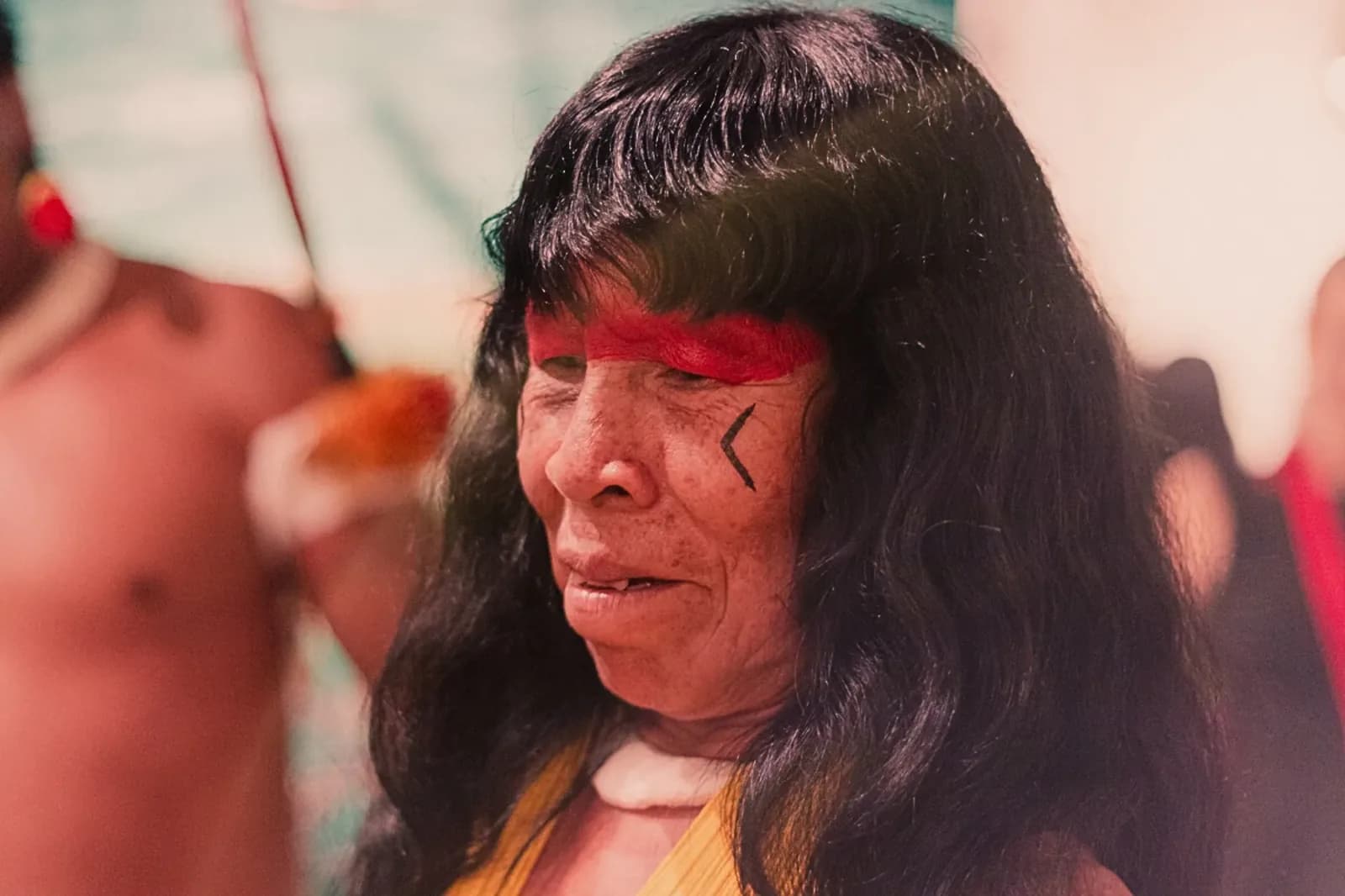
Prosecutors in Brazil and groups defending Indigenous rights are pursuing legal action to compel election officials to support voters in isolated parts of the Amazon during Sunday's presidential runoff. Apib, the Articulation of Indigenous Peoples of Brazil, reported Thursday that it had filed an urgent petition with the Justice Inspector General's Office, urging it to ensure election authorities move swiftly so Indigenous citizens can get to polling stations. In a separate move, federal prosecutors went to a federal court in Para on Wednesday, requesting a nationwide ruling that would mandate free transport by river, road or air, plus money for meals, interpreters, cultural aides and Indigenous-language signage at voting locations.[S1]
The prosecutors' suit draws on reports from communities around Brazil, including claims that some municipal governments withheld transportation for political motives and that ranchers stopped Indigenous workers from leaving farms to vote. Apib identified the gravest situation as involving 43 Indigenous communities deep in the jungle of northern Brazil. On Tuesday, the Amazonas state electoral court turned down a transportation petition from Univaja, an association representing Indigenous peoples of the Javari Valley.[S1]
Distances measured in days, not kilometers
Some of these voters are as much as 895 kilometers (556 miles) from where they cast ballots, a journey that can require three to five days by boat. In certain remote locations, officials must fly voting machines and election workers in on military aircraft. Apib described the imbalance in a statement, saying the state carries the ballot box into the forest but does not carry the voter to the ballot box.[S1]
Villages in the Javari Valley territory only gained their first voting centers in 2014, through work by Bruno Pereira, an Indigenous expert who was killed in 2022 while on assignment in the valley with British journalist Dom Phillips. Brazil's Indigenous affairs agency, Funai, told the AP it had consulted communities about transportation for the runoff but said arranging it falls to state electoral authorities.[S1]
A tight race with the rainforest at stake
President Luiz Inácio Lula da Silva, a leftist, and his far-right rival Sen. Flávio Bolsonaro, son of former President Jair Bolsonaro, differ sharply in how they would protect the Amazon, and recent polling shows a close race. Many experts consider defending Indigenous lands among the most effective means of curbing deforestation in the Amazon, the world's biggest rainforest and a key force in regulating the global climate.[S1]
Researchers warn that further loss of forest could accelerate global warming. MapBiomas, a coalition of nongovernmental organizations monitoring land use, reported in a 2022 study that Brazil's Indigenous territories had shed just 1% of their native vegetation across three decades, whereas privately held land throughout the country had lost 20%.[S1]