A decisive early margin for staying
A proposal to set Alberta on a legal course that could eventually produce a second vote on leaving Canada has been rejected by a wide margin, according to a projection from the national broadcaster CBC. With more than one million ballots counted early Tuesday, roughly 76% favoured remaining in the country, while about 23% supported starting the separation process. Around one-third of the vote had been tallied at that point.[S1][S2]
The ballot did not ask directly about independence, a distinction that annoyed separatists, yet it still laid bare fractures in Alberta politics and left open how durable Canadian unity will prove. Counting was slowed by problems at about 100 of the province's 1,400 polling locations, which delayed results by more than two hours. Once polls shut on Monday evening, the numbers already pointed to a clear victory for the unity side.[S1]
Ten questions and a long count
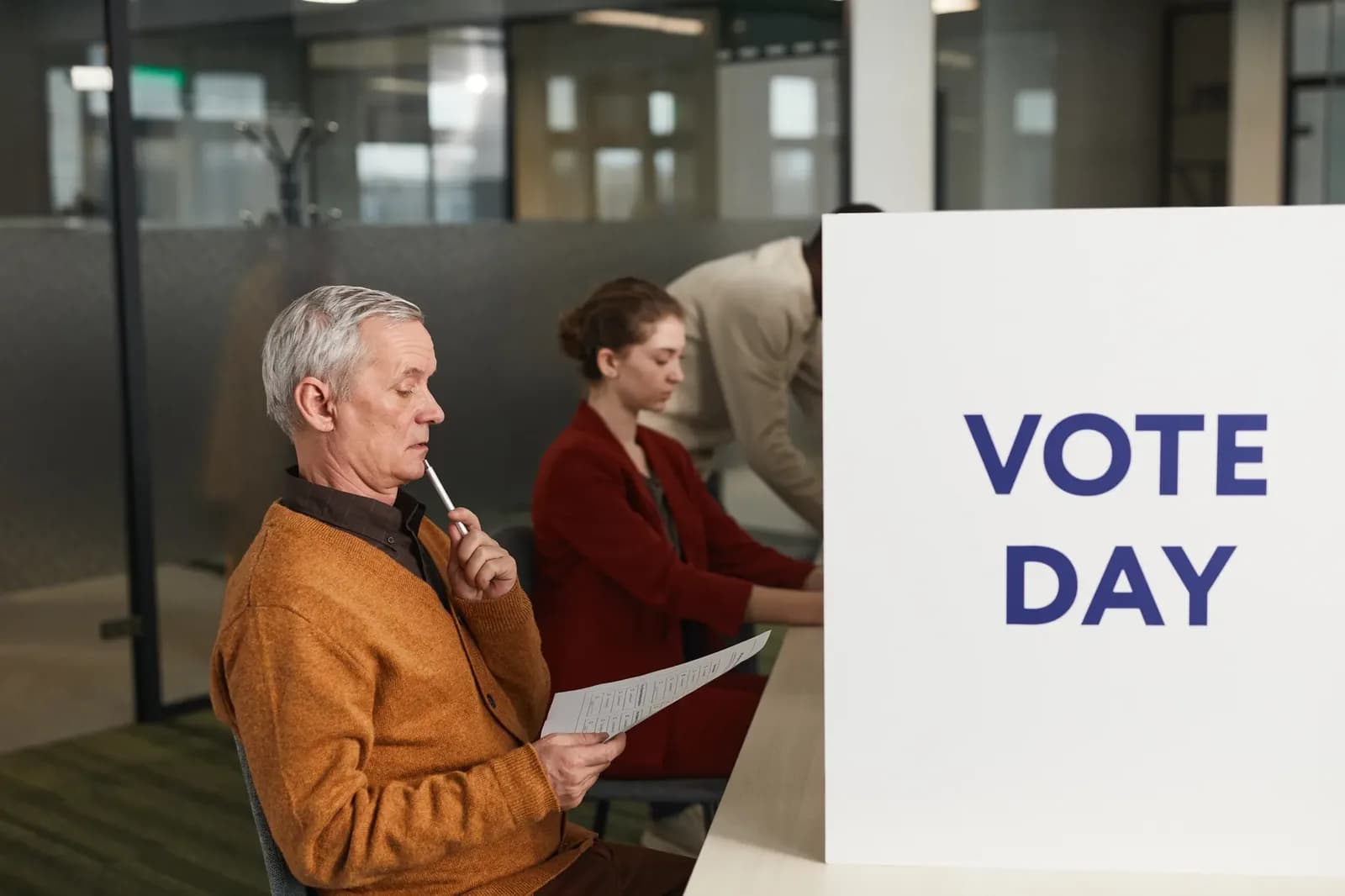
The separation item was one of ten questions Albertans faced on Monday. Others dealt with immigration, health care, education and the province's constitutional authority. Elections Alberta said the remaining results might take days to finalise. Before Monday, roughly 43% of eligible voters, or 1.3 million people, had already voted through advance and mail-in ballots, a figure that suggested turnout could exceed the province's previous referendum in 2021.[S1][S2]
Carney and Poilievre make the unity case
In the run-up to the vote, provincial leaders and federal politicians travelled across Alberta to argue for keeping the country together. Prime Minister Mark Carney, who was raised in Edmonton, cautioned residents of the oil-rich province against using the ballot merely to signal displeasure with Ottawa, describing a vote against Canada as a risky bluff that would bring years of uncertainty and missed chances for Albertans and Canadians alike.[S1]
Conservative leader Pierre Poilievre, whose parliamentary seat lies in the province, told supporters that Albertans were not people who give up, and argued that Canada amounts to more than any single government. The result is a win for Carney and for supporters of Canadian unity at a moment when U.S. President Donald Trump's trade war and talk of annexation have made sovereignty a salient issue.[S1][S2]
Smith's balancing act and a movement that stays
Premier Danielle Smith has said she would personally vote to stay in Canada but would not compel members of her United Conservative Party to follow suit. She called the referendum under pressure from separatists inside her party, even though she opposes independence, and has cited polling that put separation support at 22%, a level she called too high. Her leadership owes much to separatists who removed her predecessor, Jason Kenney, and her party's popularity has slipped recently, including a byelection loss in what had been a conservative stronghold.[S1][S2]
Separatist parties once drew only 1% or 2% of the vote, according to former premier Jason Kenney, and anger over COVID-19 restrictions helped mobilise activists who later took up the cause. Members of the movement told the Guardian they intend to keep pushing. Calgary mayor Jeromy Farkas, a firm opponent of separation, said the city's best future lies within Canada and warned that uncertainty could drive capital away, adding that no result would settle the question permanently.[S1][S2]