A historic first at the world court
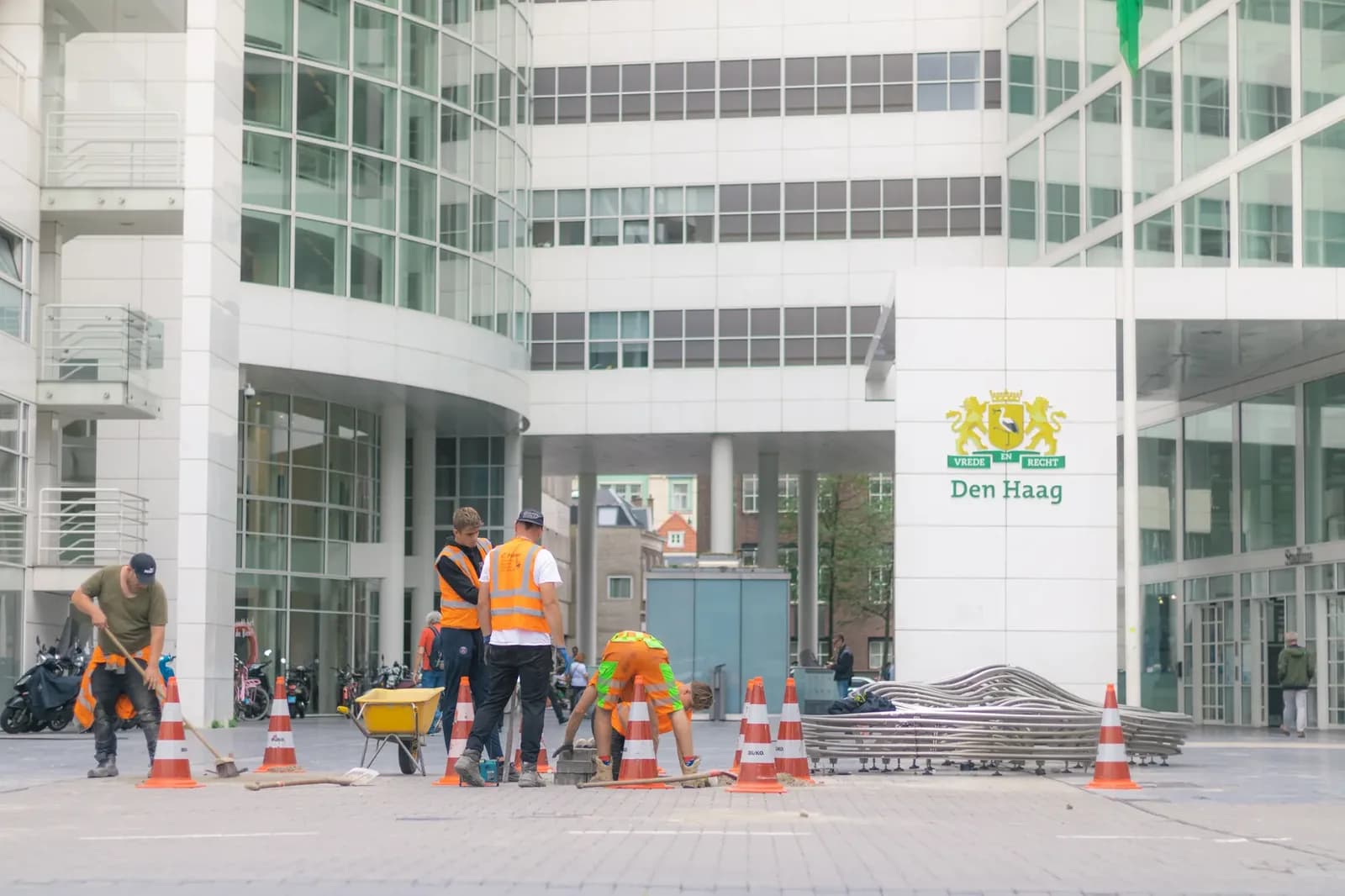
The International Court of Justice has concluded that Myanmar carried out genocide against its Rohingya minority almost ten years ago. The judgment, delivered in the Great Hall of Justice in The Hague, closes a legal fight that ran for seven years and marks the first occasion on which the court has held a state accountable for genocide. Presiding judge Yuji Iwasawa read the decision aloud for more than two hours, announcing that nine of the fifteen judges backed the finding.[S1][S2][S4]
The court's ruling is only its third judgment in a genocide case and the first in which a state has been found guilty. Since the Nazi Holocaust, international courts have recognised genocide in just a handful of instances, including the 1994 killings in Rwanda, the 1995 Srebrenica massacre in Bosnia and atrocities committed by Cambodia's Khmer Rouge in the late 1970s. Earlier ICJ cases arising from the Balkan wars of the 1990s stopped short of holding a state directly responsible for genocide.[S1][S2]
What the judges found in Rakhine state
The case centred on the military crackdown in northern Rakhine state, on Myanmar's western coast, in 2017. Violence had been building for several years, but the most intense phase followed a coordinated August 2017 attack by a Muslim militia on police and military posts. A UN fact-finding mission later estimated that about 10,000 people died in the clearance operations that followed, and roughly 700,000 people fled into Bangladesh.[S3]
The judges concluded that Myanmar's security personnel were responsible for the deaths of thousands of Rohingya civilians, carried out sexual violence on a broad scale, subjected children to severe brutality, and struck at people while they fled toward Bangladesh. According to the court, the military circulated hate speech targeting the Rohingya and got rid of evidence by burning and discarding corpses and destroying the locations where the operations occurred. Iwasawa stated that the sole reasonable explanation for Myanmar's actions was an intention to wipe out a substantial portion of the Rohingya in northern Rakhine state.[S2][S3]
The court also addressed sexual violence, which legal experts see as a key test of how genocide is assessed, since the 1948 convention covers acts intended to prevent births. Judges accused the military of using rape to impair the community's willingness and ability to reproduce, citing the stigma faced by survivors, and noted other birth restrictions such as a two-child limit for Rohingya families. The court recognised the Rohingya as a distinct ethnic group with their own language and culture, qualifying them for protection under the genocide convention.[S1][S3]
Reparations, denial and a precedent
Myanmar must provide reparations and restitution, the court said, including allowing Rohingya to return home safely, returning or replacing their property and offering physical and mental rehabilitation. It also called on the authorities to investigate and, where warranted, prosecute wrongdoing by state personnel. Myanmar had argued that its actions targeted a Rohingya militant group behind guerrilla attacks and rejected the genocide claim, but judges dismissed the contention that the campaign was primarily counter-terrorism or merely punishment and forced displacement.[S1][S3]
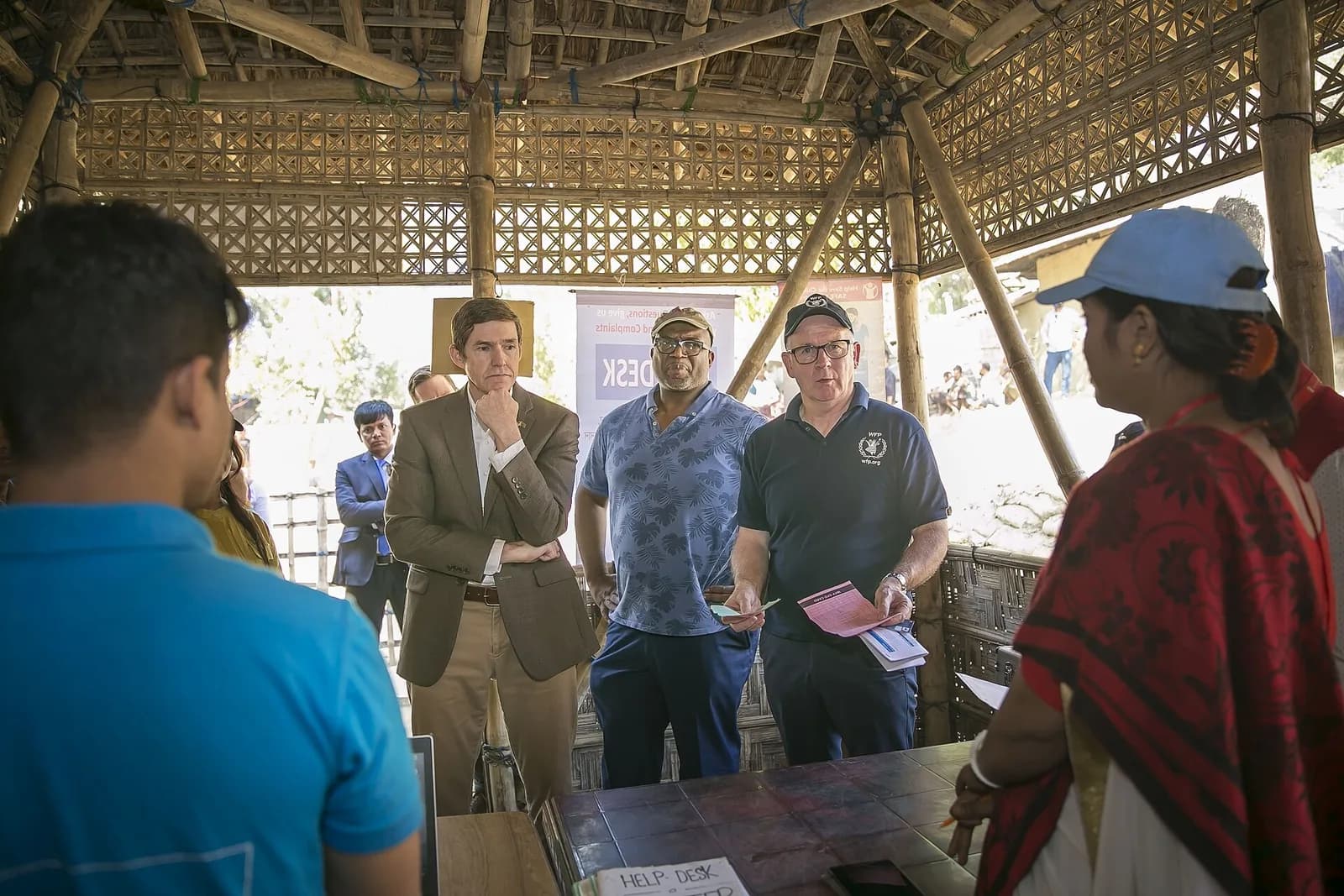
The ICJ cannot enforce its rulings, though they are binding and carry diplomatic weight that can shape sanctions and other international action. Governments had awaited the decision partly because it signals how judges may approach the Gaza case brought by South Africa against Israel. More than a million Rohingya remain in camps in Bangladesh, the world's largest refugee settlement, while fewer than 600,000 are estimated to stay in Buddhist-majority Myanmar.[S1][S2]
Min Aung Hlaing, Myanmar's leader, commanded the military during the 2016-17 attacks and is still wanted under an International Criminal Court arrest warrant alleging crimes against humanity. In a 2021 coup he took power from Aung San Suu Kyi's elected government, setting off a civil war that has left tens of thousands dead, and in April he was made civilian president following elections that were widely regarded as illegitimate. Aung San Suu Kyi, the civilian leader when the case arose, had gone to The Hague to fight the charges.[S1][S3]