An arrest on Sakhalin before a flight home
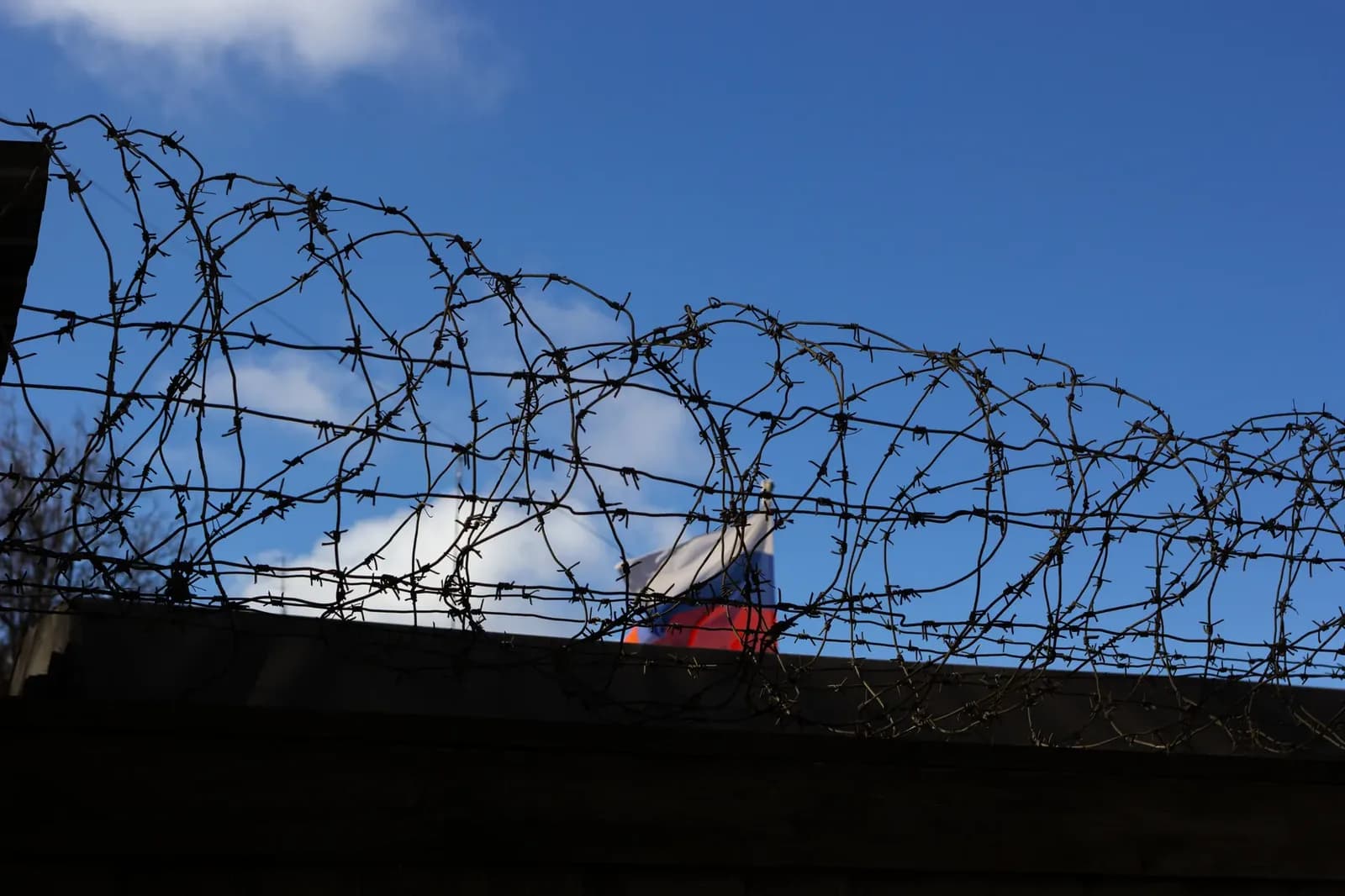
Yuki Imai, a reporter for the Hokkaido Shimbun, was taken into custody in mid-October as he prepared to leave Russia's far-eastern Sakhalin region and return to Japan after a two-year posting at the newspaper's bureau in Yuzhno-Sakhalinsk. Russian authorities accuse the 34-year-old of carrying out espionage on the island, saying he gathered material on Russian defence capabilities for Japanese intelligence. Both his employer and Japan's prime minister, Sanae Takaichi, have rejected that allegation.[S1]
The detention has deepened strains between Tokyo and Moscow. Takaichi raised the reporter's case with Vladimir Putin on the sidelines of the Apec summit in China the week before the appeal, asking the Russian leader to let Imai go. Ties had already soured over Japan's backing for Ukraine and a long-running disagreement about four islands in the Kuril chain near Hokkaido, which Japan calls the Northern Territories and which Russia has controlled since the closing days of the second world war.[S1]
A family's appeal, issued in three languages
In a statement distributed to news organisations through the Hokkaido Shimbun and published in Japanese, English and Russian, Imai's wife, Nozomi Imai, said the family had been trapped in grief. She described the couple's parents and herself spending each day fretting about him, and recalled the shock of watching television images of her husband being led away with his arms secured behind him. She said she could not sleep that night and that the morning brought no sense of reality.[S1][S5][S7]
Nozomi Imai wrote that her husband had been eager to come home. Their daughter was born while he was posted in Russia and is now 21 months old; he had spoken of wanting to collect her from daycare himself on the day of his return, she said. She also said his elderly parents fear they may never see their only son again, and asked that the father be given back to his young daughter.[S1]
Consular access, denials and a looming deadline
Japanese diplomats have been allowed to see Imai only twice since his arrest, though he has met repeatedly with lawyers hired by the newspaper. Japan's ambassador to Moscow, Akira Muto, said he visited the journalist at Lefortovo detention centre in Moscow during the week and found him in good health; embassy officials had also been granted access at the end of October. The Hokkaido Shimbun insists its correspondent was doing ordinary news gathering and does not take direction from the government in its reporting.[S1]
Takaichi said shortly after the arrest that there was no truth to the spying accusation and stressed that protecting Japanese citizens was a priority. The Federal Security Service, which is handling the case, has said nothing publicly since announcing the detention. According to Kyodo news agency, the current detention order runs until 12 December but may be prolonged. Commentators worry that Moscow could make an example of Imai in retaliation for Japan's support of sanctions imposed after the 2022 invasion of Ukraine.[S1]
According to the newspaper, Imai was presented as someone sympathetic to Russian culture; his grandfather had been born on Sakhalin, and he drew on his position to foster contacts between ordinary people, at one point welcoming Russian guests to his residence in Nemuro, a city in Hokkaido. His wife recalled that the two of them became acquainted while students, brought together by their mutual interest in Russian films and novels.[S1]