Rutte says NATO will cover the space domain
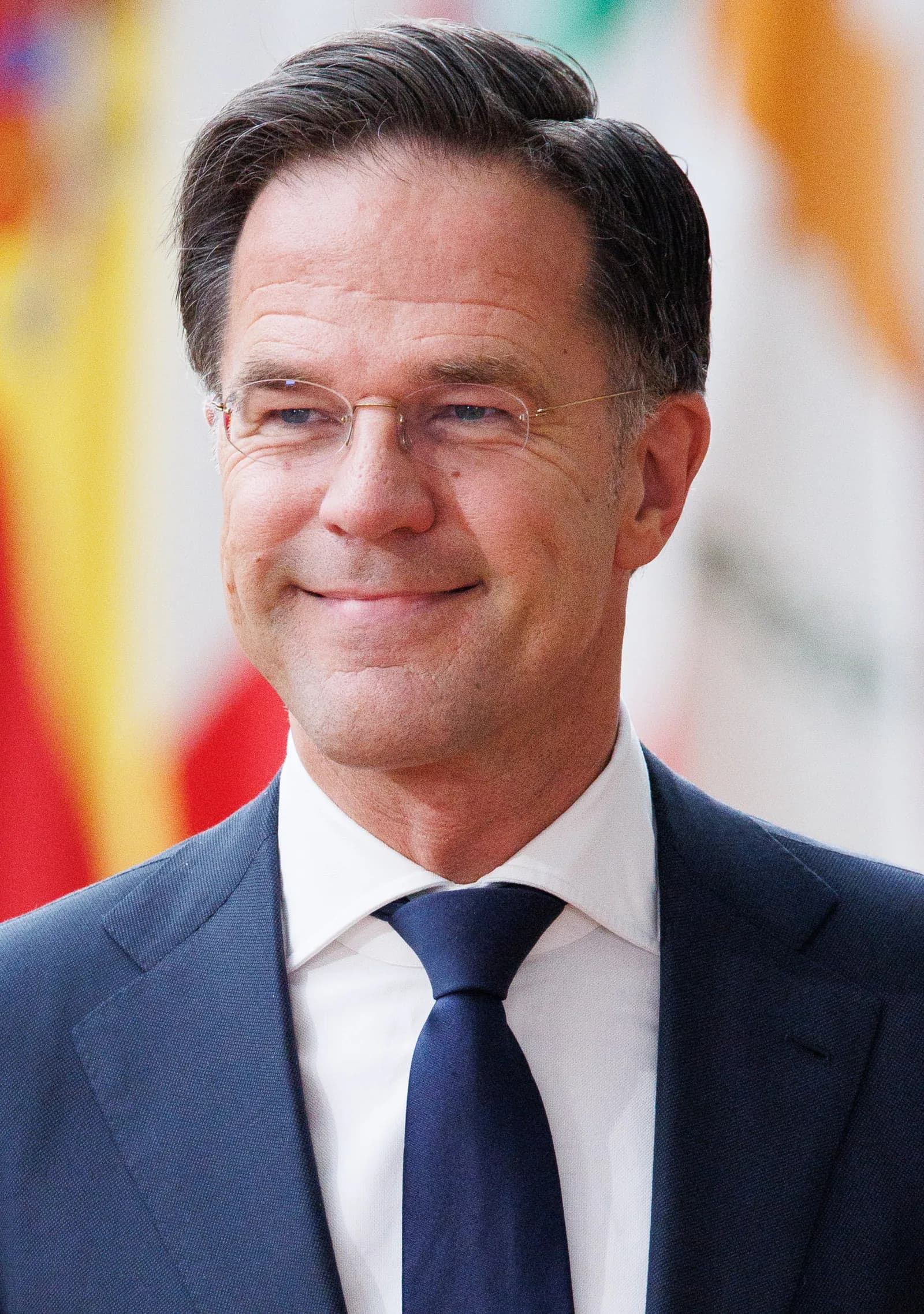
NATO Secretary General Mark Rutte said the alliance would respond to threats in space after reports emerged that Russia was preparing to send a nuclear-armed satellite into orbit. Speaking at a press conference in Berlin, he said NATO would always guarantee the protection of all of its territory, and that this commitment extends to keeping the space element secure. He added that the alliance had a range of options available and that, in the military field, it would keep reviewing its deterrence and defense posture and adjust it where needed.[S1][S2][S3][S4][S5][S6]
Standing beside Rutte, German Chancellor Friedrich Merz neither confirmed nor denied the reports about Russia's plans. He said they showed the degree of escalation Moscow is evidently willing to pursue, and argued that although talk of Russia putting nuclear weapons into space is not new, it remains just as shocking. A German government spokesman had earlier also declined to confirm or deny the reports, saying Berlin was treating them very seriously, while cautioning against stirring excessive alarm over hypothetical dangers.[S1][S8]
What the reports say about Sputnik-S
According to German broadcasters NDR and WDR and the newspaper Sueddeutsche Zeitung, which cited unnamed German military and intelligence sources, the Russian satellite has been named Sputnik-S and carries a nuclear warhead. The reports said it could be deployed to interfere with or destroy other satellites, including key communication and observation craft. Intelligence about a possible launch within 60 days had been circulated among NATO countries this month, the outlets reported, without making clear which country had produced the assessments.[S1][S7]
Josef Aschbacher, who leads the European Space Agency, described the presence of nuclear weapons in space as the worst possible scenario, according to the German paper Handelsblatt. Russia is a party to the 1967 Outer Space Treaty, which prohibits weapons of mass destruction in orbit. Other states, among them the United States and China, have placed or intend to place different kinds of weapons in space, developing capabilities outside the treaty such as systems aimed at rival satellites, which are vital for military communications, surveillance and navigation.[S1]
Moscow rejects the allegations
Kremlin spokesman Dmitry Peskov said he had not seen the latest reports and dismissed claims attributed to unknown sources as hardly deserving serious attention. The Russian embassy in Berlin told German media that it rejected what it called unfounded allegations and described the reports as part of a propaganda campaign. President Vladimir Putin has previously stated that Russia's position is clear and transparent, that the country has always been categorically opposed to deploying nuclear weapons in space and remains so.[S1]
These newest accounts come on top of prior remarks from Washington regarding military activity in orbit. Back in September, US Air Force Secretary Troy Meink stated that American space-control weapons were already orbiting Earth, though he offered no specifics. When asked about that claim, Kremlin spokesperson Dmitry Peskov told Russian journalists that outer space ought to remain entirely weapon-free.[S1]