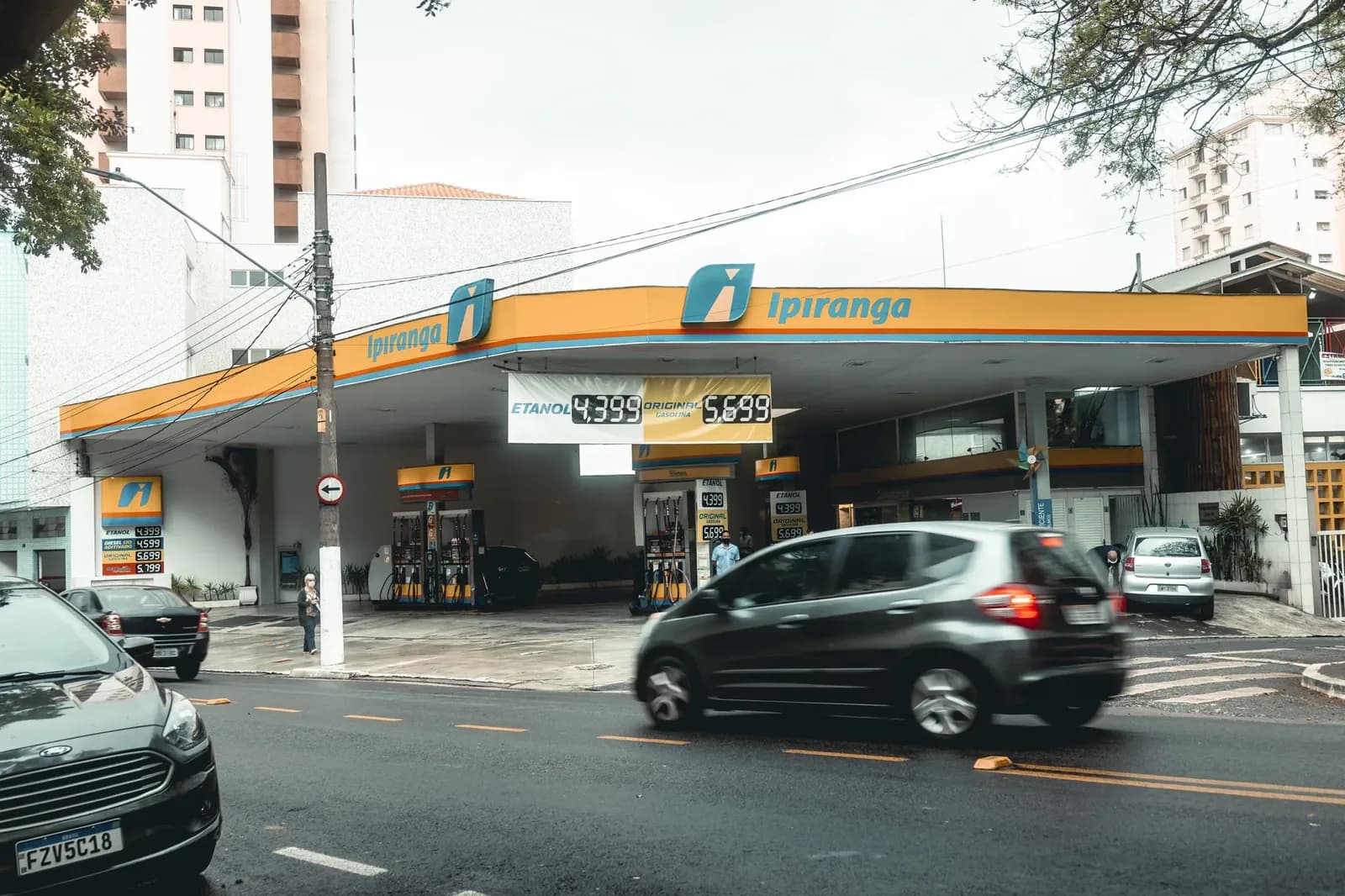
Wholesale Prices Accelerate
Wholesale inflation climbed faster than forecast last month, driven by a sharp increase in fuel costs, according to Labor Department data released Oct. 15. The producer price index, which measures price changes before they reach consumers, rose 6.3% in September from a year earlier, up from 5.6% in August and the largest annual gain since December 2022. On a monthly basis, wholesale prices advanced 1.3% from August to September, the biggest jump since March 2022, following a 0.5% rise the prior month.[S1][S2][S3]
The figures amplify the consumer price index report released Oct. 14, which also showed acceleration in September as gasoline prices spiked. A wide range of goods and services became more expensive. Within the producer price index, final demand goods rose 2.6% and services increased 0.8%, according to the Bureau of Labor Statistics.[S1][S4]
Core Prices and Fed Pressure
Stripping out the volatile food and energy components, core prices climbed 0.7% between August and September, a much steeper gain than the 0.2% recorded a month earlier. On an annual basis, core prices were up 5%, compared with 4.6% in August. The durability of these underlying price increases indicates that inflation is spreading well past energy costs.[S1]
Both inflation reports increase pressure on the Federal Reserve to raise its key interest rate. Inflation has now exceeded the central bank's 2% target for 5½ years. The wholesale price data keeps a rate hike on the table as policymakers weigh how aggressively to respond.[S1][S4]
Political and Consumer Stakes
Inflation that refuses to ease creates hardship for households and presents a political liability for Republicans as the midterm elections approach. Rising energy and gasoline expenses are driving prices upward, and wages have not kept pace, which intensifies the financial squeeze on families.[S1][S5]