Inflation Runs Hot in September
Consumer prices climbed 0.6% in September, the largest monthly increase in five months, according to the Bureau of Labor Statistics. On an annual basis, the Consumer Price Index rose 3.7%, up from 3.4% in August and above what economists had anticipated. The energy index jumped 20.4% year-over-year, with gasoline prices surging 34.2% annually and 9.1% for the month. Gasoline alone accounted for more than half of the overall monthly increase. Food prices rose 2.5% over the year, while core inflation, which excludes food and energy, increased 2.6% annually and 0.3% monthly.[S1][S2][S3]
The report attributed much of the energy spike to the war with Iran, which has pushed gasoline prices to nearly $4.50 a gallon in late September, the highest level in four months. Other indexes also showed notable annual gains: airline fares rose 22.4%, education 3.8%, recreation 2.8%, and medical care 1.5%. Shelter costs increased 3.2% over the year and 0.4% for the month. Used cars and trucks rose 0.7% monthly, while communication costs fell 0.2%.[S1][S3]
Markets Reprice October Odds
Following the inflation data, market participants rapidly adjusted their bets toward a possible Fed rate increase at the October 27-28 gathering. Kalshi's implied odds of a quarter-point move climbed to 33% from 16% beforehand, while the chance of no change dropped to 66% from 84%. Interest-rate futures pointed to about a 40% likelihood of an October hike, versus roughly 22% previously, according to Reuters. CME FedWatch put the figure at 35%, up from 22% a day earlier, and Polymarket briefly touched almost 50% before easing back to around 30%. The 10-year Treasury yield, a benchmark tied to mortgage rates, rose 5 basis points on the news and 11 basis points within a quarter hour.[S1][S2]
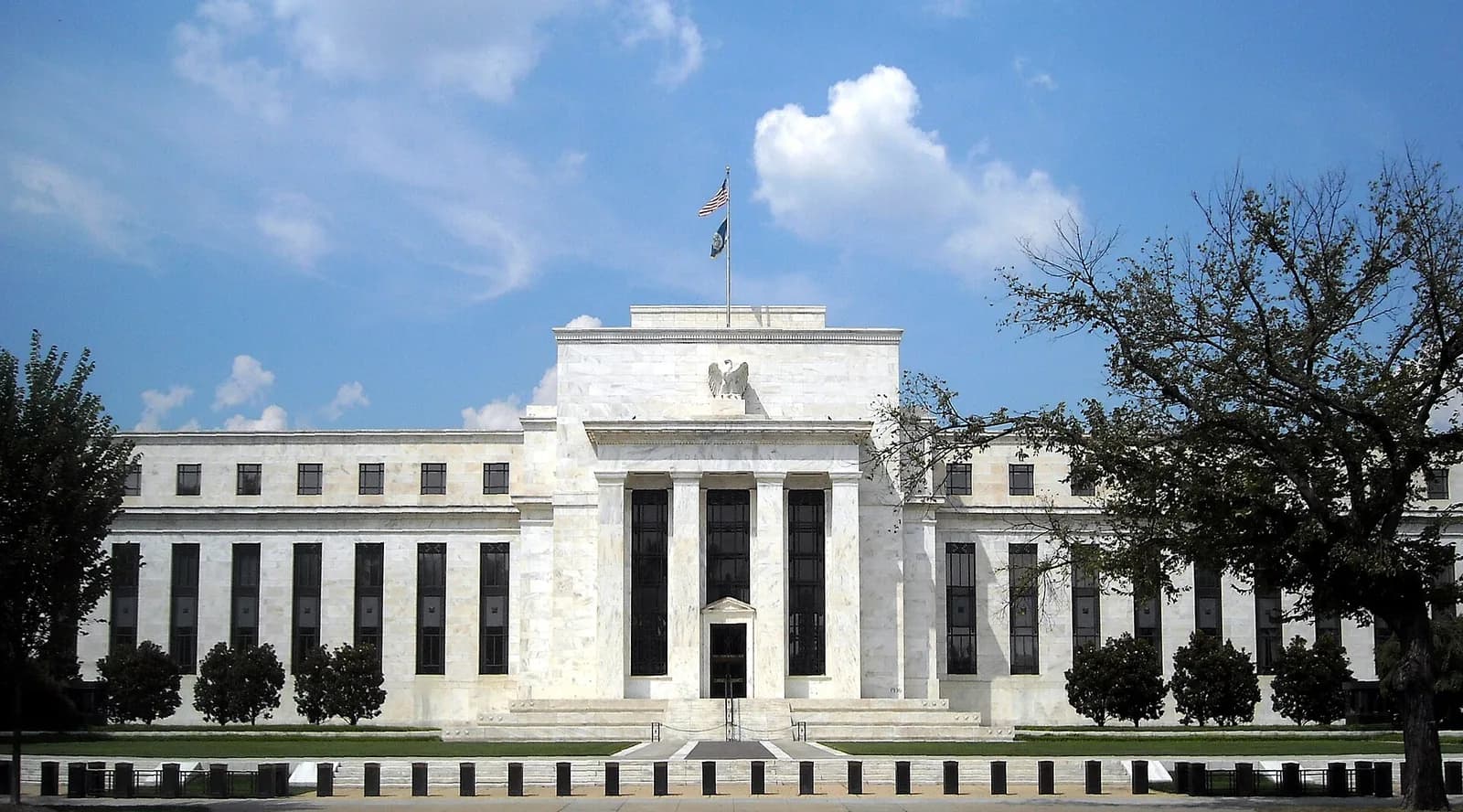
The September CPI report is the last inflation data Fed policymakers will see before their October meeting. At their September 15-16 meeting, officials raised the federal funds rate by a quarter-point to about 3.9%, the first increase in three years, and minutes showed they unanimously agreed that inflation remained elevated and had made little progress toward the 2% target. New York Fed President John Williams said earlier this week that he believed only one more hike would be necessary this year. The Mortgage Bankers Association forecast a single hike in December and another in the first quarter of 2027.[S1][S2]
Mortgage Rates and Political Pressure
The inflation data could keep mortgage rates elevated for longer. The 10-year Treasury yield, which influences mortgage rates, rose sharply after the report, and mortgage rates had already hit a three-year high of 7.40% last week. Sam Williamson, senior economist at First American, said the hotter reading raises the likelihood of an October hike, potentially delaying mortgage-rate and affordability relief. He added that rising incomes and cooling house prices are helping buyers regain purchasing power, but high borrowing costs continue to erode those gains. Realtor.com senior economist Jake Krimmel said the report feels like it is foreshadowing what is to come, though he still believes it may not be enough to sway the Fed in October.[S2][S3]
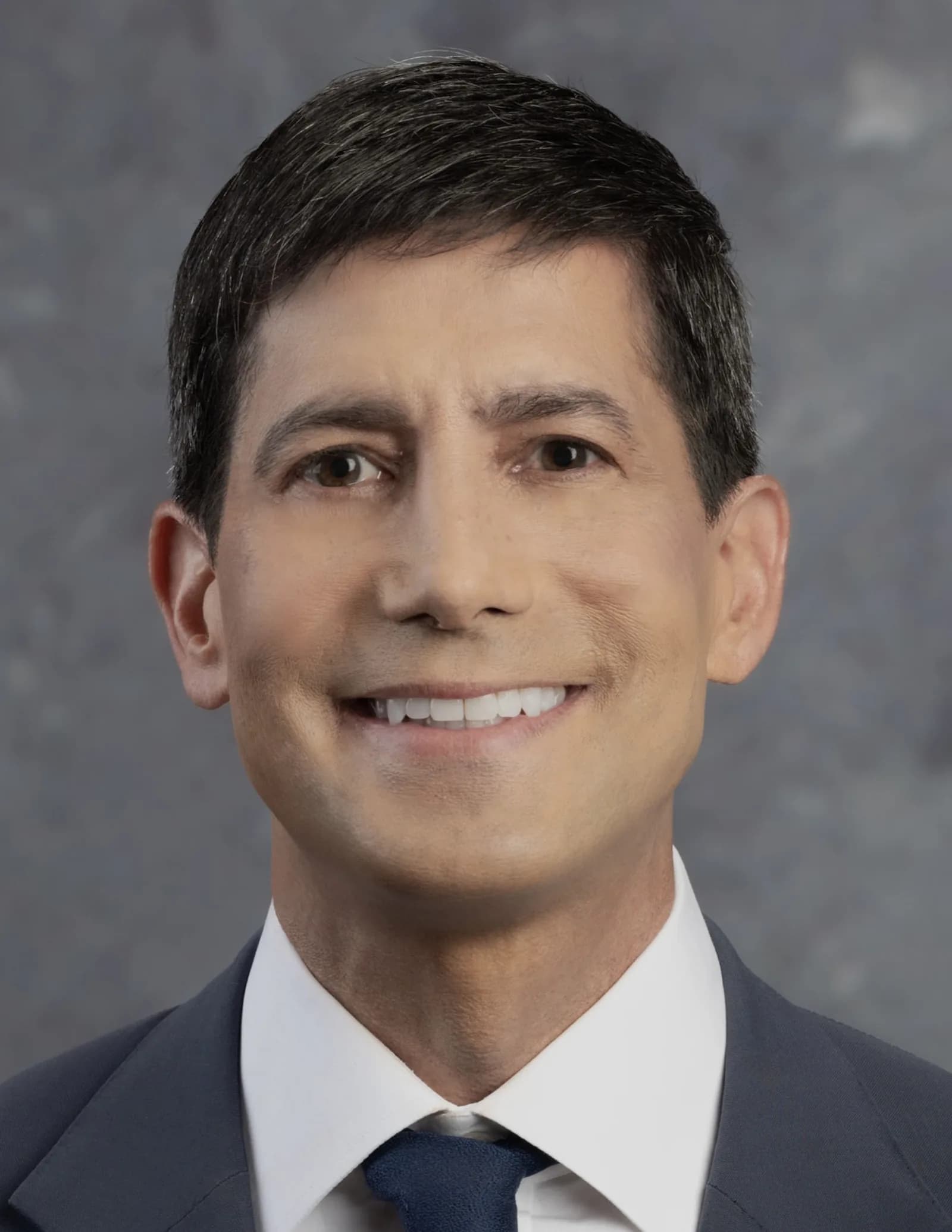
The same report coincided with traders assigning greater odds that President Donald Trump will openly rebuke Fed Chair Kevin Warsh. The implied probability of such criticism occurring before April 2027 climbed from 33% to 48%, while the odds for a rebuke before January 2027 edged up from 35% to 37%, and before December from 21% to 27%. Trump has frequently attacked the central bank's rate stance and previously directed his ire at former Chair Jerome Powell. After the September meeting, he made a veiled swipe at Warsh for declining to oppose what he described as a very hostile board, though Warsh insisted rate increases were warranted.[S1]