Nominal gains, real losses
The S&P Cotality Case-Shiller Index, published Tuesday, put annual US home price growth at 2.1% for September, the same pace recorded a month earlier, with the national index at 308.06. Consumer prices, by contrast, climbed 3.7% over the same 12 months. Measured against the cost of living, housing returns therefore contracted once again.[S1][S6]
On a monthly basis the national index slipped 0.3%. Rebecca Kaufman, associate director of commodities at S&P Dow Jones Indices, noted that inflation accelerated from 3.4% in August to 3.7% in September, and that this marked the sixteenth month in a row in which American home prices lost ground after adjusting for prices.[S1]
Other trackers broadly agree that September price growth held roughly steady. Headlines from Yahoo Finance, Realtor.com, The Wall Street Journal and US News described national price growth as flat or stable for the month, while a separate FHFA reading showed single-family prices unchanged.[S2][S3][S4][S5]
Chicago and Miami stand out
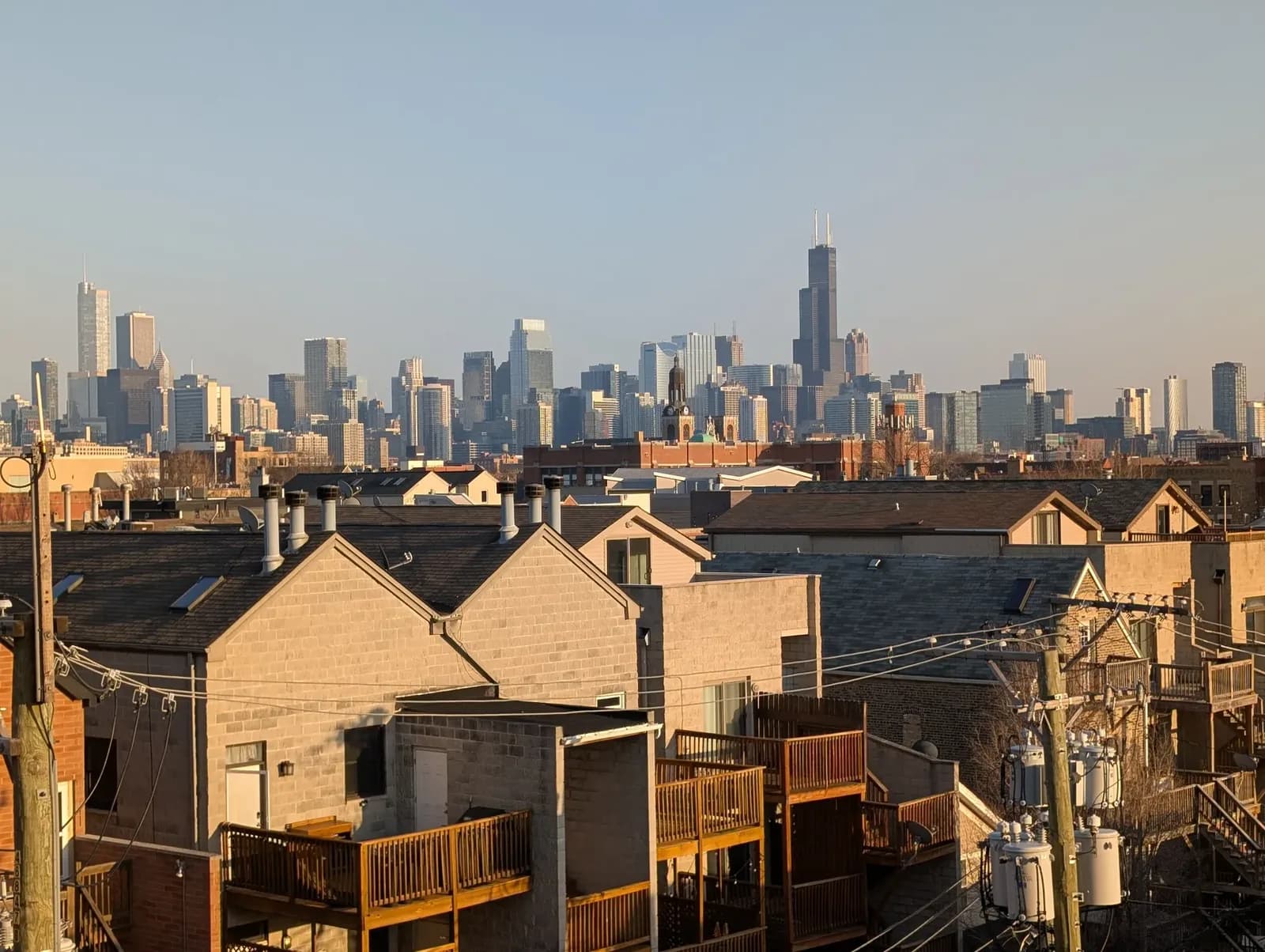
Among the 20 metropolitan areas in the composite, Chicago again delivered the fastest annual appreciation at 6.9%, ahead of New York at 5.8% and Miami at 4.6%. The 10-City Composite rose 3.5% year over year to 330.38, slightly below August's 3.6%, while the 20-City index gained 2.6% to 318.73, matching the prior month. Both composites fell 0.5% month over month before seasonal adjustment.[S1][S7][S8]
Kaufman highlighted Miami's move into the top three after it had ranked fourth in July and August, describing the shift as a sharp turnaround from a comparatively weak 2025. Five metros posted annual declines: Seattle at -1.88%, Denver at -0.99%, Dallas at -0.9%, Las Vegas at -0.78% and Tampa at -0.16%. Seattle has now recorded the steepest annual drop for four months running.[S1]
Fresher signals point to cooling
HousingWire Data, which tracks the market more currently than Case-Shiller, showed appreciation easing in the week ending Nov. 20, 2026. The median asking price for a single-family home stood at $425,000, down 1.2% from a month earlier and 0.7% below the same week a year before.[S1]
At the metro level, Monroe, Louisiana, led annual increases at 23.0%, followed by Grand Forks, North Dakota-Minnesota, at 20.4% and Cedar Rapids, Iowa, at 18.2%. Santa Barbara recorded the deepest annual fall at -30.2%, with Fond du Lac, Wisconsin, at -24.3% and Dubuque, Iowa, at -20.7%.[S1]