Deficit reaches highest level since 2021
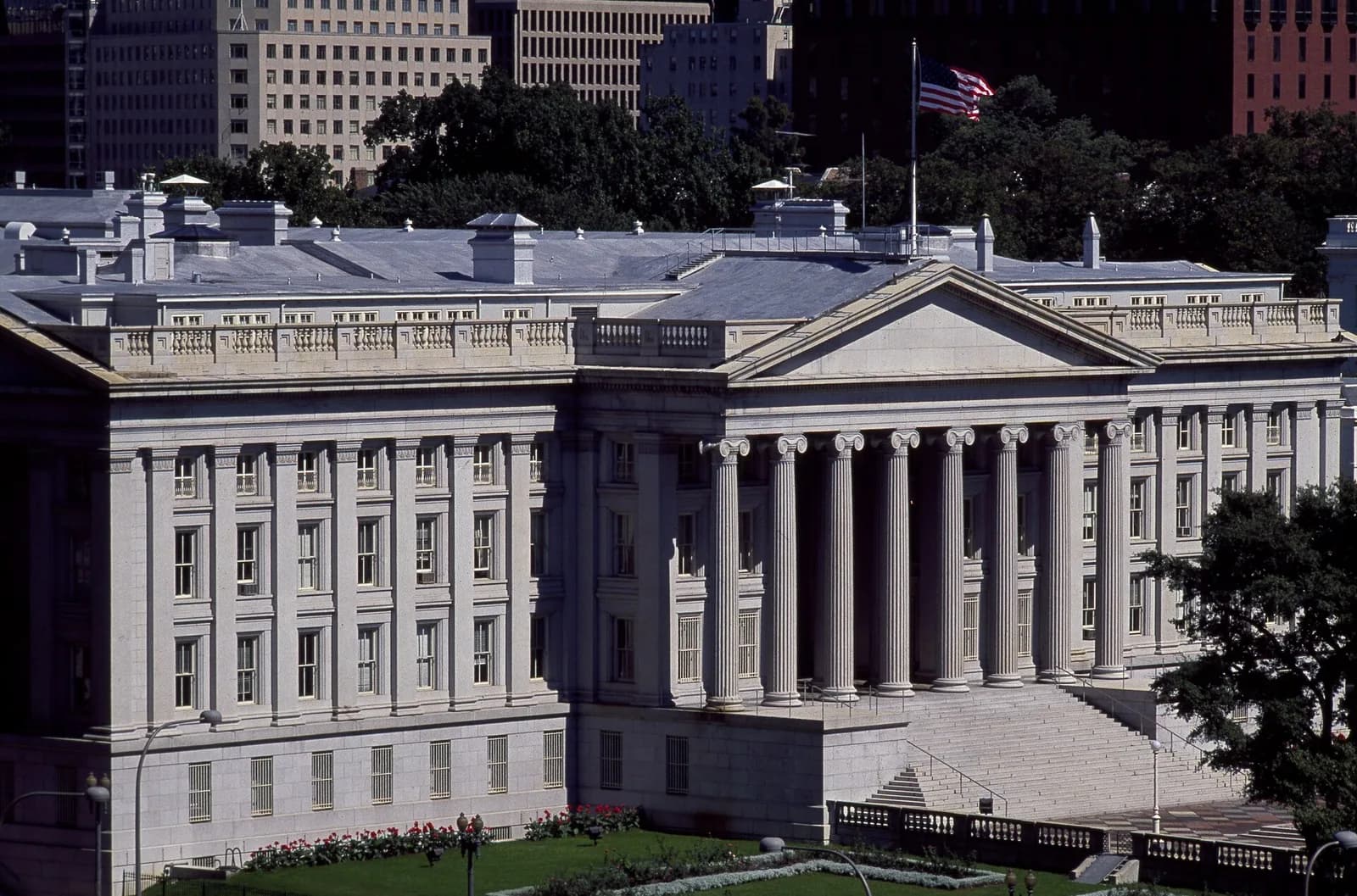
According to the Treasury Department, the fiscal 2026 deficit reached $1.99 trillion, up 12 percent from the previous year's $1.78 trillion and the widest since 2021. The increase occurred as worries mounted over a $40.3 trillion national debt, faster inflation and higher borrowing costs. Overturned tariffs generated refunds that added to the budget strain.[S1][S2]
Interest paid on public debt emerged as a central driver of spending, jumping $144 billion to a record $1.36 trillion. Costs tied to roughly $32 trillion in publicly held US debt have swelled in recent years, and rising bond yields have intensified worries. Treasury yields, which shape rates on mortgages and auto loans, have climbed this year, adding to the financial strain voters face ahead of November's midterm elections.[S1]
Tariff refunds and revenue shortfall
Friday's Treasury figures showed $145 billion in customs refunds for the year, largely tied to tariffs, erasing much of the revenue Trump's duties had produced. After the Supreme Court invalidated his global tariffs in February, refunds surged, and the expected tariff windfall never fully arrived during his second term. Revenues for the fiscal year ending September 30 rose 3 percent to $5.40 trillion, while outlays increased 6 percent to $7.40 trillion.[S1][S2]
The data showed that stronger individual and customs tax receipts were canceled out by bigger refunds and weaker corporate tax collections. Defense and military programs cost $917 billion, $48 billion or 6 percent more than a year earlier. A Treasury official put the deficit-to-GDP ratio at roughly 6.2 percent, versus 5.8 percent last year, well above Treasury Secretary Scott Bessent's goal of reducing the deficit to 3 percent of GDP.[S1]
Political stakes before midterm elections
The budget numbers landed under three weeks before US midterm elections, in which President Trump's Republican party is battling to keep its congressional majority. Since returning to the White House last year, the administration has promised to reduce deficits and federal spending, shrinking the federal workforce and foreign aid while the Republican-controlled Congress approved cuts to the Medicaid health insurance scheme and moved to scale back the federal food assistance program.[S1][S2]
Meanwhile, expiring tax cuts were renewed and new money was allocated for the administration's migrant deportation effort. Before the vote, Republicans and Democrats alike have floated proposals that could enlarge the shortfall, with Democrats saying they want to undo Medicaid cuts and restore health care tax breaks. Trump recently pledged $5,000 to every American adult if Republicans kept control of Congress, a plan that would cost more than $1 trillion.[S1][S2]
Nancy Vanden Houten of Oxford Economics said the deficit will probably be about the same next year, but cautioned that the danger is a wider budget gap if the war with Iran continues far into the fiscal year.[S2]