Warsh's Bangkok Speech Draws Global Attention
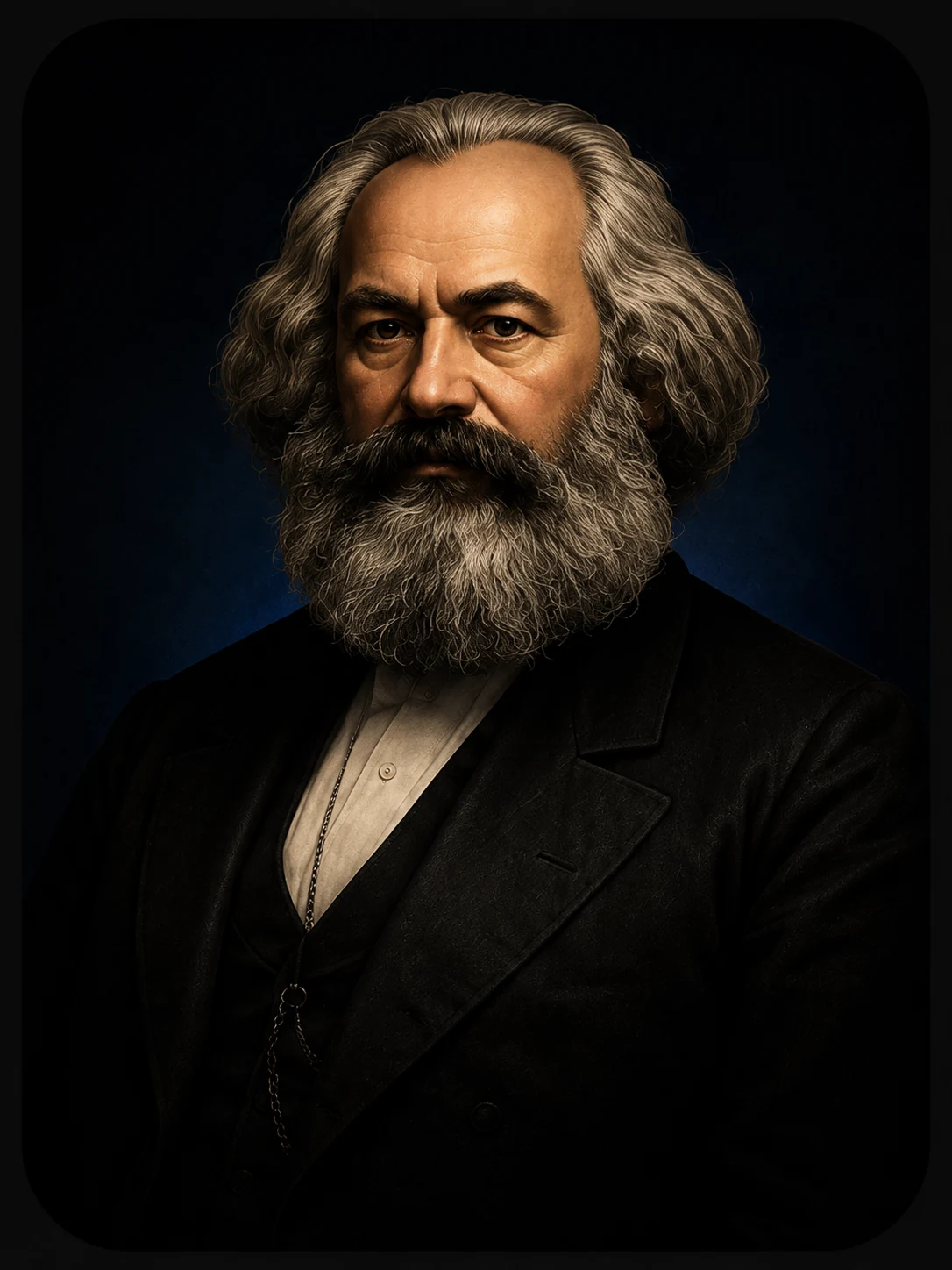
Federal Reserve Chairman Kevin Warsh is set to speak in Bangkok on Friday morning, which will be late Thursday evening in New York. Despite the hour, investors, economists and politicians across the United States are expected to follow his remarks closely. The appearance comes at the annual meeting of the International Monetary Fund and the World Bank, where IMF Managing Director Kristalina Georgieva will interview him. The speech carries added weight after two government reports this week showed inflation accelerating for both consumers and businesses, prompting questions about how soon the central bank might raise interest rates.[S1][S2]
Warsh has consistently stated that he does not use public engagements to deliberately shape market expectations. Even so, his comments could indicate whether the Fed will act before or after the November 3 midterm elections. The address will also be the last from any Fed official before a blackout period starts on Saturday and runs through the next policy meeting on October 27 and 28. Bank of America analysts noted on Wednesday that broad-based inflation strengthens the case for an October hike, pointing to artificial intelligence and Iran as two key sources of price pressure.[S1]
Political and Economic Stakes Ahead of Midterms
Households in the United States are already contending with high borrowing costs, more expensive energy and paychecks that have not grown, and a further rate increase by the Fed this month would squeeze them more. Surveys show dissatisfaction with how President Donald Trump has handled the economy, so an additional hike could deepen Republican troubles as the party fights to keep its congressional majorities in the midterms. Trump has rolled out various measures in recent weeks aimed at lowering gasoline and diesel prices, which have pushed inflation up, but so far they have delivered little relief.[S1]
During his 2024 campaign, Trump promised to end inflation and make America affordable again. The consumer price index fell to 2.3% four months into his term, but that same month he imposed a wave of tariffs worldwide, altering the economic picture. By September, inflation had surpassed 3% again. In February, Trump launched a war against Iran, triggering one of the worst energy supply shocks on record. Inflation peaked at 4.1% in May and appears to be climbing back toward that level. A rate hike would also undercut Trump's long-running effort to pressure the central bank into cutting rates. Since Warsh took office in May, the Fed has either held rates steady or raised them.[S1]
Unlike his treatment of former Chair Jerome Powell, Trump has not gone after Warsh directly, though he has started calling other Fed board members very hostile. Speaking to reporters in September, Trump said he was counting on Kevin while complaining that the board was very tough and that rates were too high and very political. Trump appointed four of the seven board members. When asked what to expect from Warsh's appearance, the White House referred to a September Truth Social post in which Trump said U.S. interest rates should be 1% or lower.[S1]
Diesel Prices and Big Tech Add to Inflation Pressures
Economists and investors pay closest attention to core inflation, which excludes food and energy because those prices swing widely. This week's two reports both indicated that even this stripped-down gauge is climbing faster than expected. Analysts at Bank of America described core CPI as the bigger surprise. The core figures showed that sharply higher fuel costs, diesel in particular, are spreading through the economy. Farmers, truckers and others who move goods must charge more to cover diesel, which then pushes up prices for consumer products. KPMG chief economist Diane Swonk told NBC News in August that diesel costs feed into nearly everything, from operating a farm to food prices, and that a surcharge gets added to whatever is shipped. She said the jump in diesel prices would probably keep inflation elevated for several months.[S1]
That prediction came true in September, based on this week's consumer and producer price index reports. Diesel has stayed well above $6 a gallon through early October, and with no indication that the Iran war is winding down or that strikes on energy facilities in the Ukraine-Russia war will stop, inflation may continue to be stoked for months. Big Tech is adding to the pressure as well. Companies worth trillions are spending and borrowing heavily on servers, memory and other data center components, driving up prices across the economy. Firms such as Apple and Nintendo have responded by raising prices. Apple told NBC News in June that it had never seen component prices climb this much, this fast.[S1]
Firms are also tapping public debt markets on a scale never seen before. According to Vanguard, data center operators and the utilities tied to them, along with chipmakers and cloud providers, are expected to borrow between $300 billion and $570 billion this year. These borrowers are paying notably attractive rates, in some cases better than U.S. Treasury bonds. Warsh observed recently that one result is a contest for capital that is pushing up yields on government debt too.[S1]