Tariffs and Retaliation
A trade conflict between the U.S. and Canada has intensified following President Trump's decision to levy 50% tariffs on about $20 billion worth of Canadian goods, including vehicles, auto parts, and steel. These duties took effect on Saturday, prompting Canada to announce matching counter-tariffs on hundreds of American products such as steel, aluminum, dairy, and electronics, scheduled to start September 8.[S2][S3]
Trump has threatened to escalate the dispute on January 1 by raising tariffs on Canadian cars, trucks, and auto parts to 50%. He also hinted at adding new conditions to negotiations at the last minute, responding to Canadian claims of late demands with 'that sounds like me.' The White House issued a statement accusing Canada of 'abuse' and 'ripping off' the U.S. for years.[S3][S5]
Economic Impact on Consumers and Industry
Economists warn that the tariffs could raise prices for consumers, particularly for cars, cheese, and other affected goods. Gary Clyde Hufbauer of the Peterson Institute estimated the latest tariffs would have a modest impact on inflation, but Olu Sonola of Fitch Ratings said the 50% tariff on autos would be more consequential, potentially raising vehicle prices and disrupting production.[S2]
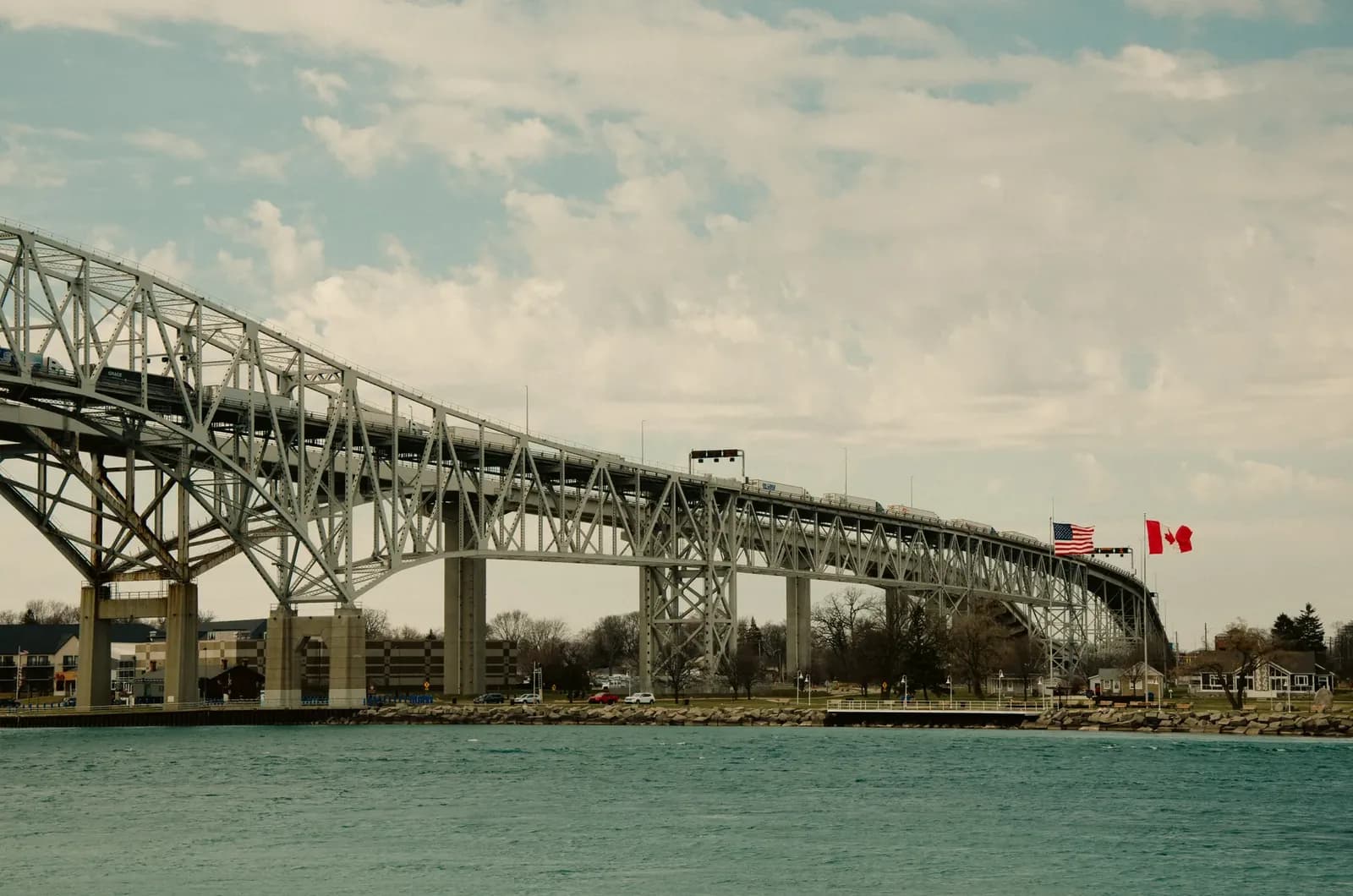
Detroit Regional Chamber CEO Sandy Baruah said Michigan families would feel the impact in their wallets, with higher prices for home remodels, plywood, furniture, and automobiles. He emphasized the deep integration of the US-Canada auto supply chain, noting that aluminum from Canada is crucial for automakers. Baruah also warned that a prolonged dispute could weaken North America's ability to compete with China.[S1]
Political and Business Reactions
US lawmakers expressed alarm, with Rep. Tim Kennedy blaming Trump for an 'economic war' and noting a 26% drop in Canadian tourism to his state. Senate Democratic leader Chuck Schumer said prices of everyday goods would 'skyrocket' for millions of Americans. Some Republicans, like Sen. Susan Collins, also criticized the tariffs' impact on local businesses.[S4]
Canadian provincial leaders reacted strongly. Ontario's Doug Ford urged Prime Minister Mark Carney to reject the U.S. offer, while Saskatchewan Premier Scott Moe announced a 50% retaliatory tax on American liquor. Alberta Premier Danielle Smith called for de-escalation, describing the tariffs as 'tragic, unjustified, and wholly unnecessary.' California Governor Gavin Newsom predicted Trump would reverse the tariffs within days.[S3][S5]
Broader Consequences
According to Oxford Economics, the trade war could reduce U.S. GDP growth by 0.1 percentage points in 2027. Trevor Tombe's analysis identified Michigan, Indiana, Kentucky, Alabama, and Missouri as the states most affected by counter-tariffs. Baruah argued that the U.S. should collaborate with Canada and Mexico to counter China's trade practices instead of weakening the North American alliance.[S4][S1]