A Personal Cost in Michigan
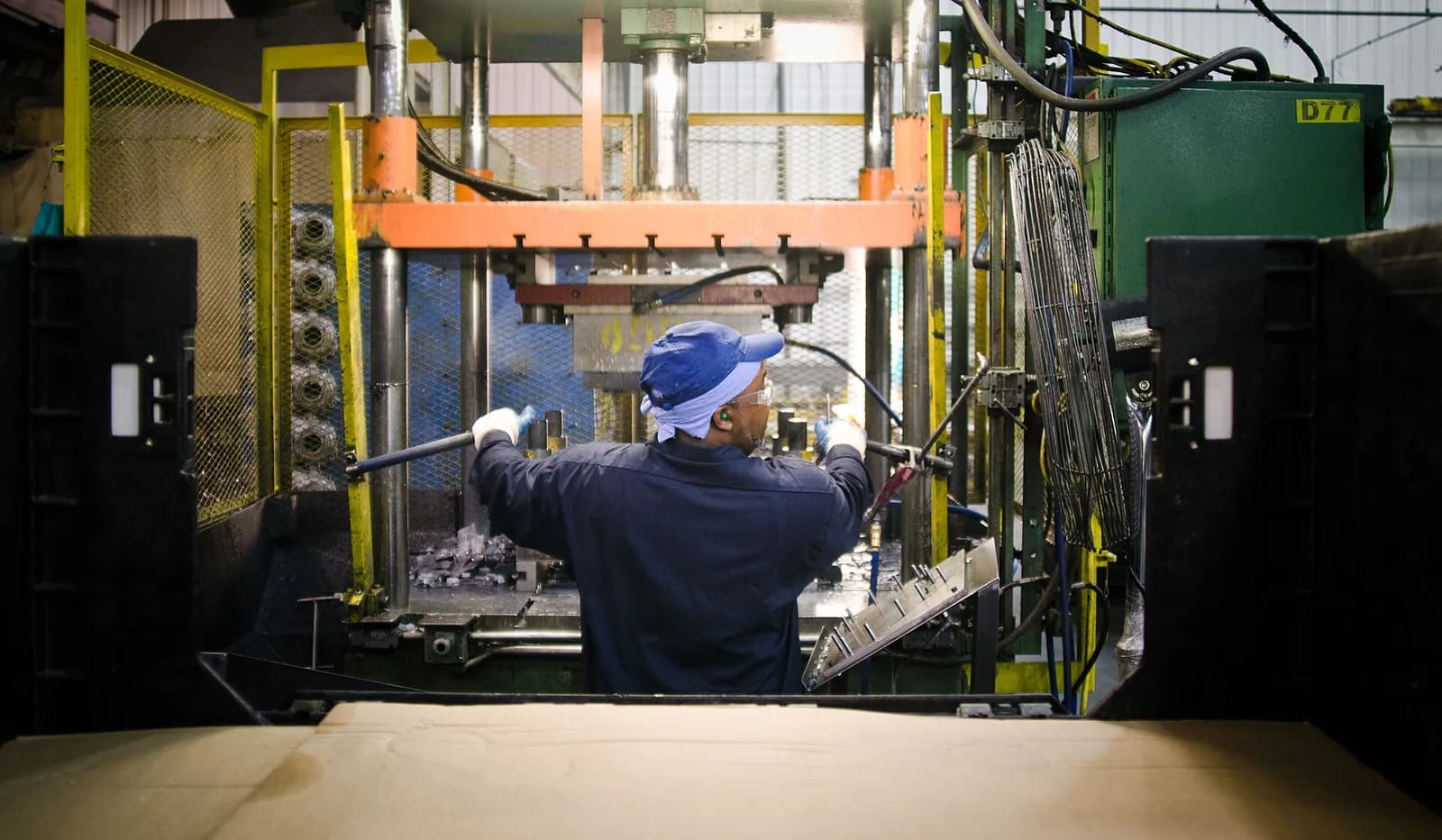
Nelson Vandermeer, a 62-year-old product designer, lost his job at Howard Miller, a clockmaker in Zeeland, Michigan, that depended on parts made overseas. The company shut its factory, sold its inventory and brand, and laid off nearly 200 workers after a century in business. Vandermeer, who voted Republican for decades but refused to back Donald Trump, said the outcome proved his fears right. He now intends to vote straight Democrat in next month's midterms.[S1]
Vandermeer resides in Michigan's 4th Congressional District, where Republican Bill Huizenga is running for a ninth term on Nov. 3. Before the sweeping tariffs took effect last year, Huizenga backed them, telling reporters the decision was not easy but was the right one. A spokesperson said the congressman believes tariffs could help domestic manufacturing while also recognizing that their wider economic consequences need attention. State Sen. Sean McCann, his Democratic challenger, has faulted Huizenga for voting against measures meant to curb tariffs Trump imposed on his own.[S1]
Layoffs Spread Across Battleground States
In Iowa, Tracy Chew, 55, lost her job at Case, a backhoe manufacturer, in April after the company announced it would close its Burlington plant before the tariffs. Her daughter, husband and son-in-law were laid off in the following weeks. Chew, who voted for Trump in 2016 and then for Democrats Joe Biden in 2020 and Kamala Harris in 2024, said she is furious that Trump is not doing enough and that the tariffs are not targeting the right companies or the right amount. Winnebago Industries, which makes recreational vehicles, cut 200 jobs last year after import costs for aluminum, steel and electronics rose by tens of millions of dollars. Its chief executive, Michael Happe, described the situation as a day-to-day battle.[S1]
In Kansas, Cole Hoppock, who heads Wichita appliance maker Vornado Air, said the tariffs touched nearly every part of the business. The company, recognized for its retro household fans, cut more than 70 factory jobs in February, pointing to pricier imported components. Another Kansas employer, Canadian jet builder Bombardier, may soon face reductions. Trump has warned he could block the company's U.S. sales unless every plane is built in the U.S. Bombardier says it sources parts from 2,800 companies across 47 states, including Kansas, where it has over 1,000 workers.[S1]
Political Fallout and Public Opinion
The backlash extends to competitive races in Kansas, Iowa and Ohio, where Republican support for Trump's tariffs could hurt the party on Election Day as constituents face factory layoffs, farm foreclosures and higher prices. In Iowa's tight Senate race, U.S. Rep. Ashley Hinson faces Democratic state Rep. Josh Turek. In Kansas, Democrat Adam Hamilton, pastor of the largest United Methodist Church in the U.S., is trying to unseat Republican Roger Marshall. A September poll by The Associated Press-NORC Center for Public Affairs Research found only about 3 in 10 U.S. adults approve of Trump's handling of trade negotiations, down from 4 in 10 in March.[S1]
Trump has long claimed that other nations exploit the U.S. on trade, yet most economists reject that view and warn that sweeping universal tariffs would do more harm than good. His tariff actions have sometimes shifted abruptly: he went after Brazil over political disputes and pushed tariffs on China so high that a recession loomed, prompting a pullback. In February, the Supreme Court struck down his emergency declaration used to impose the tariffs last year, leaving foreign trade in flux as the administration keeps adding levies and threats. Tariffs are not the sole reason manufacturing jobs have disappeared, and factories have shed workers for decades regardless.[S1]