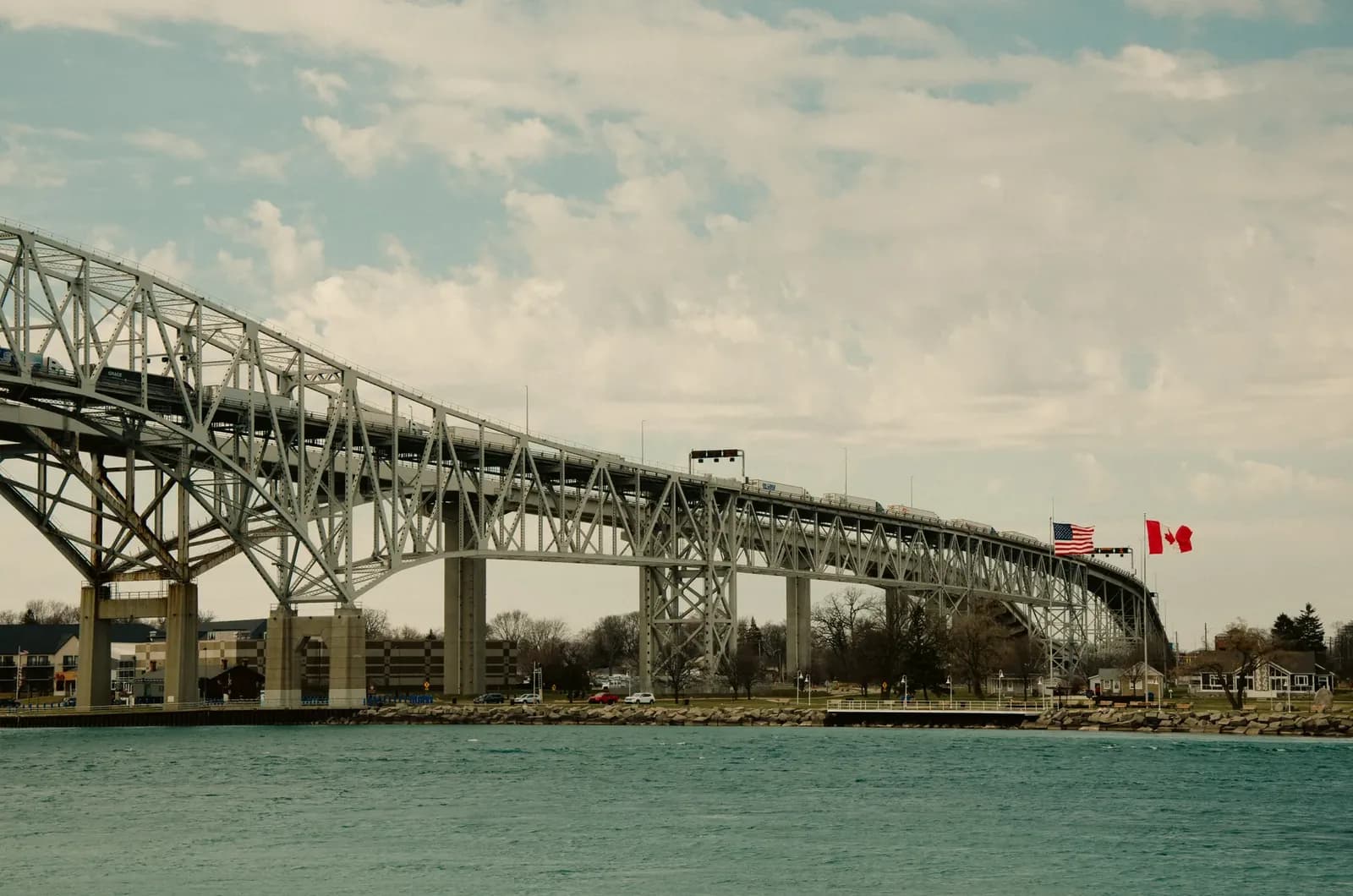
Talks break down at the last minute
Negotiations between the United States and Canada collapsed late Friday, just before a midnight deadline, triggering new 50% US tariffs on about $20 billion worth of Canadian goods. Canadian Prime Minister Mark Carney announced the suspension of talks, saying that while important progress had been made, it was not enough to meet Canada's objectives. He directed negotiators to return to Ottawa.[S1][S3]
The breakdown came after a week of intense negotiations, including a three-day pause by President Donald Trump, who had said the two sides were close to a deal. US Trade Representative Jamieson Greer said Canada declined to finalize the deal under terms agreed earlier in the week, calling it a missed opportunity. Carney, however, blamed last-minute changes in US terms as unfair and uneconomic.[S1][S2][S5]
Retaliation and impact
To safeguard domestic industries and employees, Prime Minister Mark Carney pledged that Canada would implement reciprocal duties matching the American tariffs exactly. He indicated that further actions would be unveiled shortly, supplementing the approximately $25 billion in assistance delivered during the last year and a half. These newly imposed levies impact roughly 5% of Canadian shipments bound for the United States, targeting sectors like dairy, electronics, and hockey gear alongside existing penalties on vehicles, lumber, steel, and aluminum.[S2][S4][S6]
The tariffs are expected to hurt Canadian businesses, with trade experts warning that 50% duties could price many goods out of the US market. The US Chamber of Commerce warned that higher tariffs would damage both economies and risk millions of American jobs. Ontario Premier Doug Ford expressed full support for Carney's strong response, while a poll suggested mixed Canadian opinion on retaliation versus continued negotiation.[S1][S6]
Background and sticking points
The trade dispute stems from Trump's tariffs imposed last year, which Canada has retaliated against with countermeasures, including provincial bans on US alcohol sales. The US has demanded Canada remove these bans and adjust dairy quotas, while Canada sought relief on steel, aluminum, autos, and lumber. Negotiators had reportedly discussed reducing tariffs on steel and aluminum to 25% and on autos to 15%.[S1][S3][S4]
The collapse marks a significant shift from earlier optimism, with officials on both sides expressing hope for a deal. Canadian minister Dominic LeBlanc had said they were very close, but talks stretched into the final hours without a compromise. Carney has repeatedly said that relations with the US have changed forever, and Canada must diversify its economy.[S3][S4]