Evacuation totals and the deadline
Ukraine's General Staff reported on Sunday that 167 civilians had been moved out of endangered areas of the southern Kherson region while a short local truce around Oleshky, a town held by Russian forces, ran toward its planned end. The group included 22 children and 21 people whose limited mobility required special help. The ceasefire was set to lapse at midnight Moscow time, which corresponds to 2100 GMT.[S1][S6]
The departures came after residents who had crossed out of Oleshky on Saturday reached territory controlled by Ukraine following a lengthy journey. According to Reuters, those arrivals were hungry and worn out after a roundabout route from the town, which stands only a few kilometres from the front line. No count has been made public of how many people decided to stay in Oleshky, situated on the Dnipro River across from the Ukrainian-held city of Kherson.[S1]
How the six-day truce was arranged
The local truce lasted six days and was brokered with the participation of US First Lady Melania Trump and Pope Leo. It began on 27 October, two days earlier than planned, and applied to Oleshky and the area around it. Its purpose was to permit aid convoys, the clearing of mines from roads and the voluntary departure of residents who wanted to leave.[S1]
Writing on X, Melania Trump said the ceasefire had given residents room to move and access to food, clean water and medicine, along with a restored sense of dignity free from the constant threat of attack. The Pope expressed hope that Russian and Ukrainian cooperation in carrying out the truce would help open the way toward wider peace efforts.[S1]
Three stages and the routes out
Dmytro Lubinets, Ukraine's human rights commissioner, described a three-part operation: securing the ceasefire, bringing in food, water and medicine, and then moving out residents who chose to go. He coordinated with his Russian counterpart, Yana Lantratova, and the International Committee of the Red Cross indicated it was ready to take part.[S1]
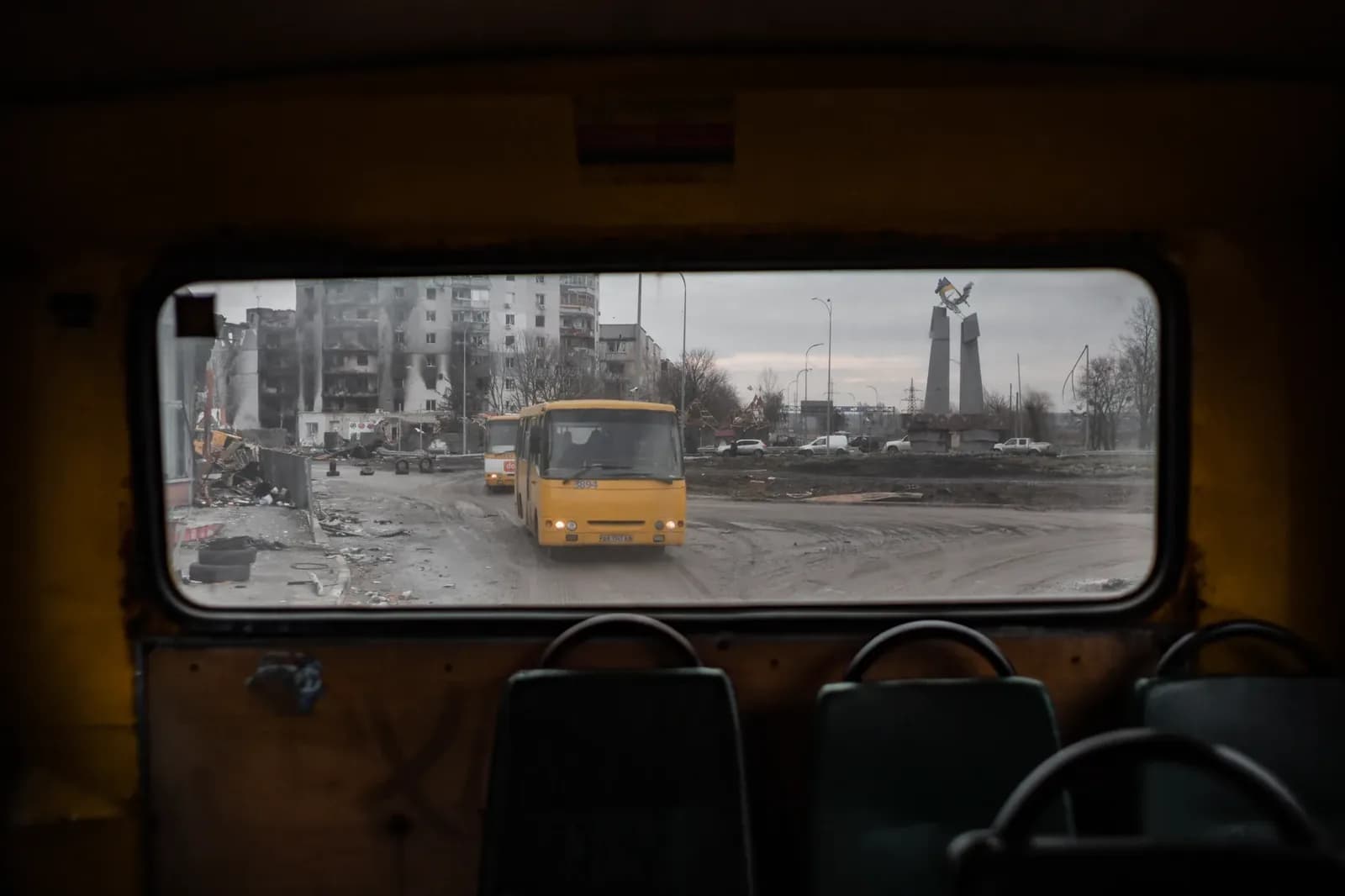
Lantratova said those leaving Oleshky were initially carried to Crimea in 25 buses and nine ambulances before the group divided into separate convoys, with some heading to Russia and others to Ukraine. Evacuees bound for Ukrainian territory travelled through Crimea to the Russian town of Anapa, were flown to Belarus and then continued on to Ukraine.[S1]
Officials' warnings and what comes next
As the deadline drew near, Kherson region governor Oleksandr Prokudin advised residents to stay alert. Ukrainian officials and the Russian-installed authorities each said they had prepared accommodation for people leaving Oleshky, and the Russian side said it would assist those who wanted to remain in Russia or relocate to territory under Ukrainian control. Both sides said the truce had held without violations and that roads had been cleared of mines so aid could get through.[S1]
It remains unknown whether the ceasefire will be prolonged, and neither government has announced terms beyond the scheduled expiry. Lantratova said on 31 October that the two sides had agreed to conduct regular humanitarian missions around Oleshky, but Lubinets did not confirm such a commitment. Fighting went on elsewhere in Ukraine: local reports said another attack in the Vinnytsia region killed two people and injured three the same day.[S1][S3][S8]
It remains unclear whether the Oleshky model will be applied to wider humanitarian efforts; that depends on the two sides consenting to prolong the truce or to run the operation again. Neither aid organizations nor the United Nations have made public any plans for the town. The next few days ought to reveal whether people who remained in Oleshky are still able to leave and whether the ceasefire can be restored.[S1]