Training Suspension Details
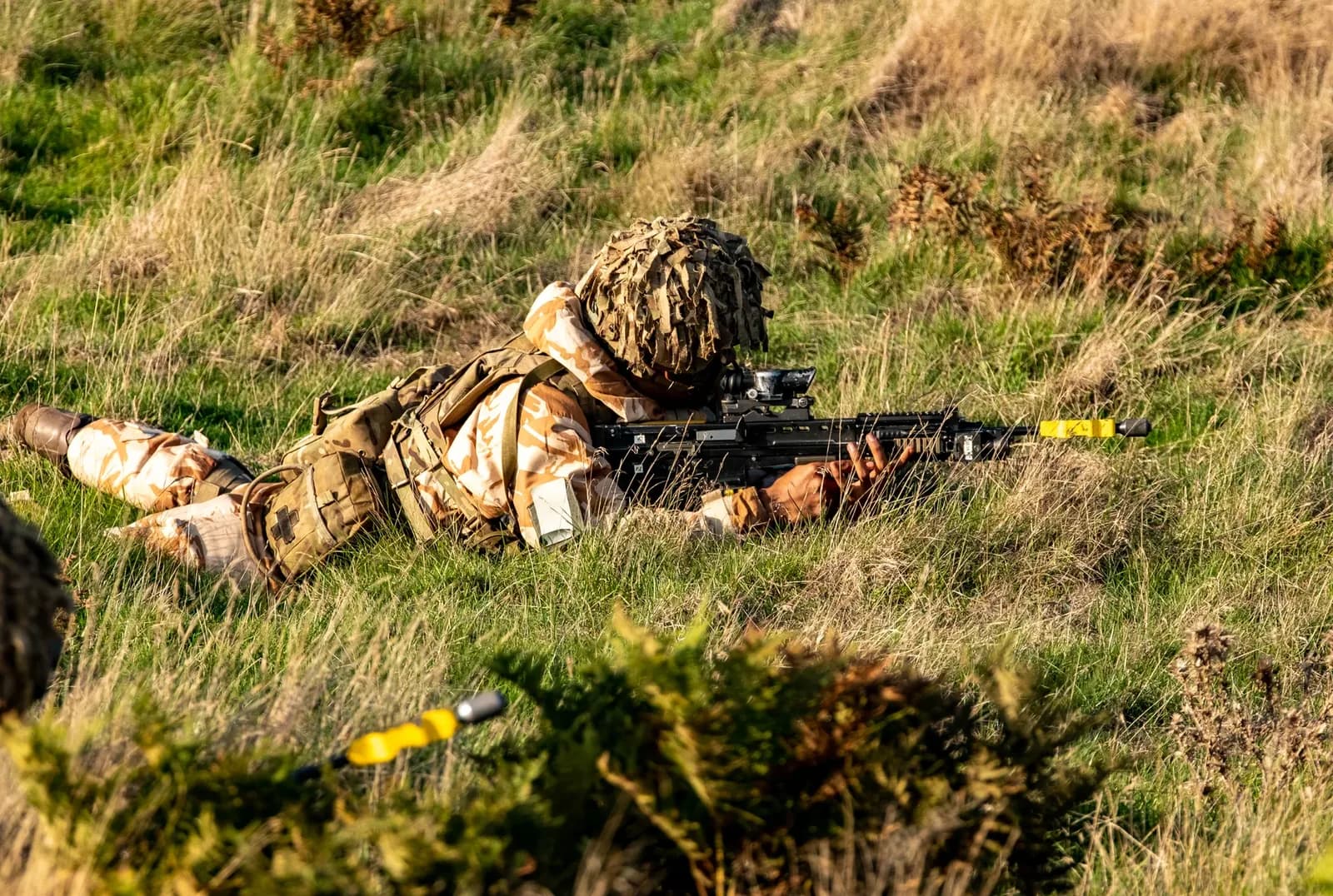
The British army has been directed to pause non-essential training activities as a cost-saving measure. Personnel preparing for deployment, currently deployed, on standby, or in rapid-response roles will maintain their usual training schedules. However, collective training for units based in the UK is largely halted for the remainder of the year due to financial constraints.[S1]
Exercises involving tanks and Apache helicopters are among those cancelled, as reported by the Times and BBC. The army acknowledged the cuts, stating that training priorities are shaped by insights from the Ukraine conflict, including drone warfare and modernization efforts.[S1]
Official Response and Spending Plans
An army representative emphasized that training continues, with a focus on activities that most directly support readiness, deployability, and operational effectiveness. Additionally, they highlighted a £2bn investment aimed at transforming army training over the next 15 years.[S1]
Prime Minister Andy Burnham faces calls to boost defence spending to 3% of national income by 2030 and 3.5% by 2035. During Wednesday's Prime Minister's Questions, Labour MP Tan Singh Dhesi, chair of the Commons defence select committee, pressed Burnham to outline a clear path toward the 3% target by 2030, warning that 'vibes alone just isn't going to be enough'.[S1]
Future Budget and Political Context
The defence investment plan outlines spending rising to 2.7% of GDP by 2027-28, but lacks specifics for subsequent years. The Treasury has indicated that plans to reach 3% and 3.5% will be detailed in next year's spending review.[S1]
Chancellor John Healey resigned from Keir Starmer's government in June, protesting the then prime minister's insufficient defence funding. In his current role, Healey will await next year's spending review before presenting a plan to meet Labour's pledge of 3.5% of GDP by 2035. He will deliver his first budget on 28 October and must find approximately £1.4bn annually over the next three years to fund the defence investment plan.[S1]