A caseload cut by a third as winter nears
The UN World Food Programme has announced that a lack of money is compelling it to shrink its Gaza operation, removing roughly 500,000 people from monthly food support. The agency's caseload will fall from 1.6 million to 1.1 million Palestinians, a reduction of about one-third, at a moment when winter is closing in and many households are still unable to feed themselves.[S1][S2][S3]
The reductions reach beyond the headline number of recipients. Food rations have been halved, cash help has been withdrawn for 75,000 families, and community kitchens will serve 150,000 hot meals a day instead of 250,000. Families in areas that are hard to reach, including near the Yellow Line marking Israel's zone of military control, will now get a hot meal every second day rather than daily.[S1][S3]
Monthly distributions of flour and ration boxes are also shrinking, from 1.1 million people to 600,000. Cash transfers to around half a million people had already been reduced since July, leaving them with less money to spend in local markets. The agency says it needs $450 million within six months to keep what it calls critical operations going in Gaza and the Israeli-occupied West Bank.[S1][S3]
Need stays high while the money runs out
Agency officials insist the scale-back reflects finances rather than an easing of hunger or an inability to deliver. The WFP country director for Palestine, Shaun Hughes, said half a million people were being dropped from assistance this month and that the needs had not declined and access had not been lost. The agency received less than half the funding for its Palestinian work in 2026 that it had in earlier years.[S2][S3]
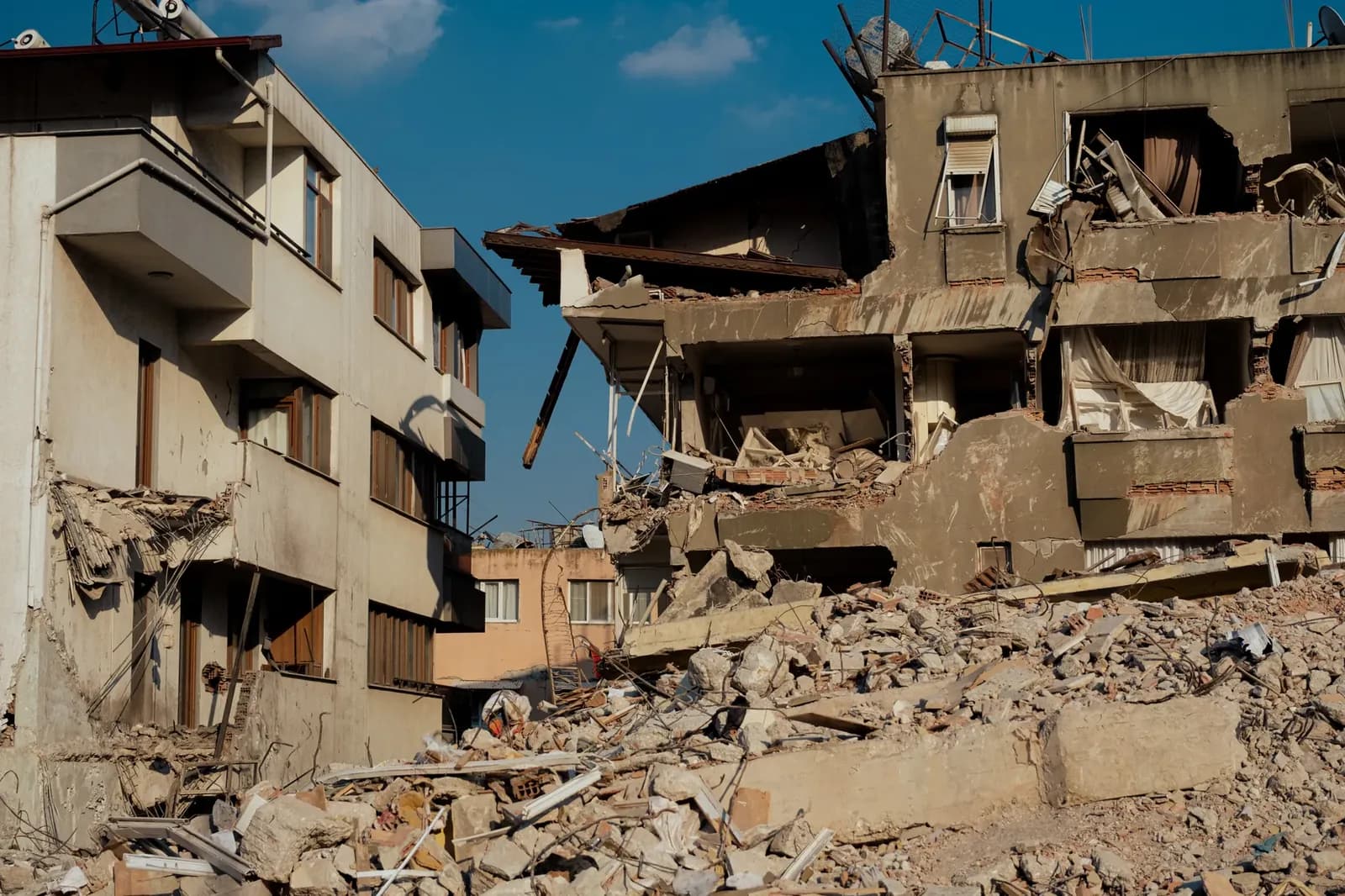
The humanitarian picture remains severe. About 1.4 million people, or two-thirds of Gaza's residents, endure crisis levels of food insecurity or worse, and roughly 200,000 are in emergency conditions. Nearly all of the territory's 2.1 million inhabitants are displaced, more than 80% are unemployed, and although markets are now well stocked, few families can afford to buy from them.[S1][S3]
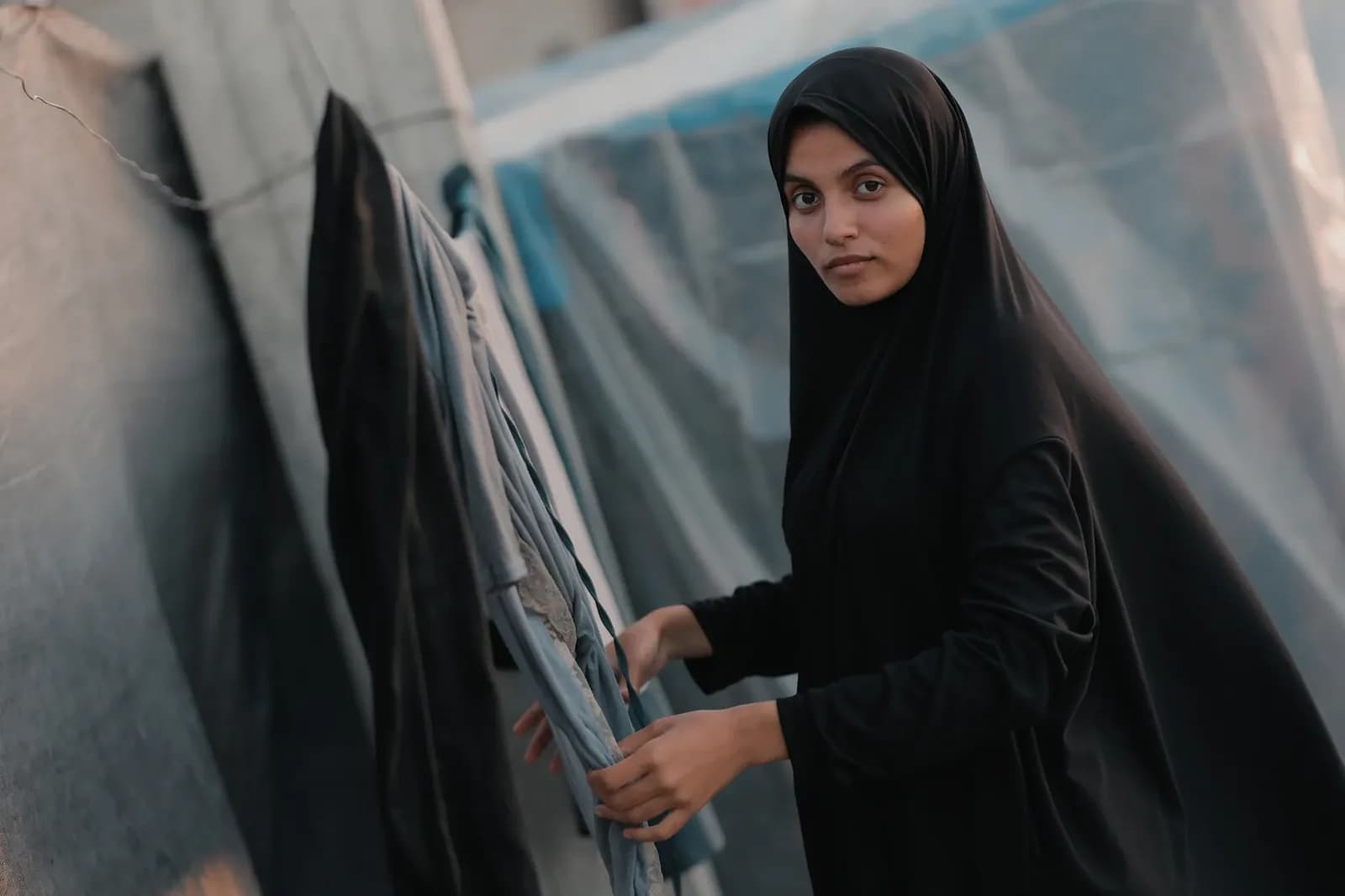
A US-brokered ceasefire agreed a year ago envisaged eventual reconstruction, but little has moved toward a wider deal requiring Hamas to disarm and Israel to withdraw its troops. Violence has continued, including near-daily Israeli strikes, and Israel tightly controls goods entering through the crossings. Displaced mothers in the al-Mawasi area of Khan Younis described rations that were already too small and now arrive less often.[S1][S3]