An unprecedented meeting on the Apec sidelines
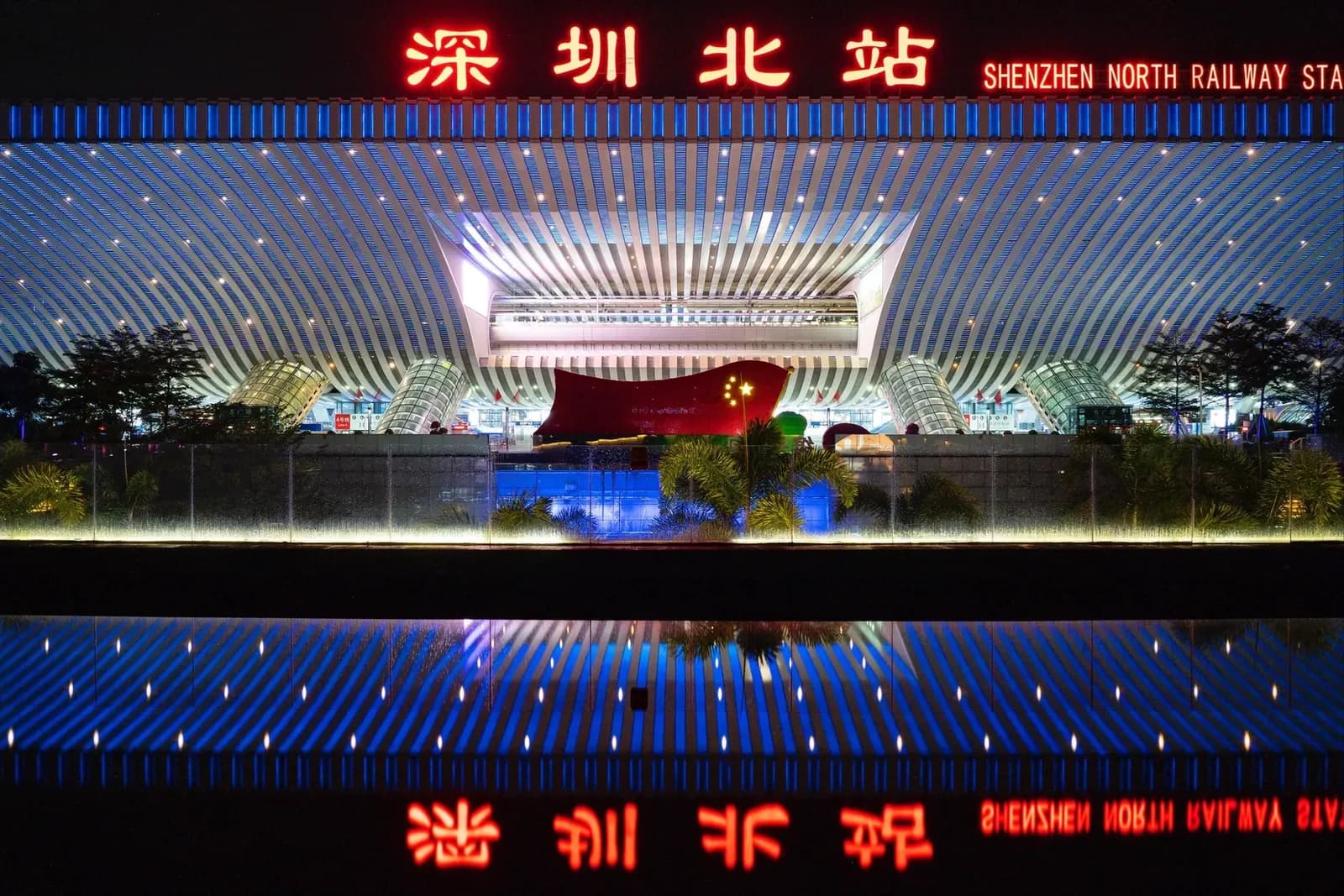
The presidents of the United States, China and Russia gathered on Thursday in Shenzhen for a trilateral session held alongside the Apec summit, a format without precedent. Donald Trump, Xi Jinping and Vladimir Putin spent more than an hour discussing nuclear weapons, the war in Ukraine and broader international security. The three countries possess the world's major nuclear arsenals, so their choices carry wide consequences for global stability. The encounter concluded with no announced breakthrough and no concrete agreement on the principal issues.[S1][S3][S6][S7]
Trump opened the session by framing the talks as a historic moment, saying the three nations were uniquely placed to discuss cutting their nuclear stockpiles and lowering the danger that such weapons might be used. He also contended that peace cannot be reached by refusing chances for dialogue. The meeting presented an unusually visible display of cooperation among three governments whose relations have been strained, particularly over Ukraine, trade disputes and the Nvidia scandal.[S1][S4]
Arms control at the centre, without a new deal
The meeting took place with the New Start arms control pact due to lapse in February. Under that agreement, Washington and Moscow may each keep no more than 1,550 deployed strategic warheads. Putin had proposed in September of last year to maintain those limits on a voluntary basis for another twelve months, yet Trump rejected the offer and instead called for a new deal that would also draw China in.[S1]
During Thursday's session Xi urged every possible effort to avert nuclear war and argued that nuclear weapons should be completely prohibited and thoroughly destroyed. Despite that appeal, no new arms control agreement emerged from the meeting.[S1]
Ukraine raised, Kyiv absent from the declaration
Putin told Trump and Xi that their countries shared many converging interests in settling conflicts, naming the war in Ukraine directly, and he invoked a common duty to uphold international peace and security. Trump came to the meeting while prosecuting a faltering war of choice: the Iran conflict has grown more uncertain and costly for Washington with no clear endpoint, while Putin's full-scale invasion of Ukraine, now in its fifth year, keeps inflicting heavy losses. The meeting gave little sign of movement toward ending the war in Ukraine, and Kyiv went unmentioned in the joint peace declaration issued afterwards.[S1]
Criticism of the ICC and a joint declaration
Trump described the international criminal court as lacking restraint, complaining that the tribunal goes too far. His remarks matter especially because the ICC has accused Putin of war crimes, issuing a warrant for the Russian leader in March 2023 over allegations that Ukrainian children were unlawfully taken from occupied areas and moved to Russia. Since neither the US nor China belongs to the Rome statute that established the court, neither is obliged to carry out its warrants.[S1]
Chinese and Russian state media published a joint peace declaration after the meeting that urged reform of the UN so it can answer global challenges more effectively. The statement described changes ranging from increasing fuel supplies to pursuing dialogue aimed at lowering nuclear risks. The US, China and Russia already hold permanent security council seats with veto power, and all three have pushed for a larger role for countries in Asia, Africa and South America. Russia has openly rejected permanent council bids by Germany and Japan, contending that western and Nato states are already overrepresented and vote as one bloc against Russian interests. The declaration also targeted the ICC, asserting that the court and comparable bodies must not abuse their jurisdiction, stressing state consent and the immunity of officials, language that could be read as contesting the legal foundation of the warrant against Putin.[S1][S5]