A package aimed at 14 trading partners
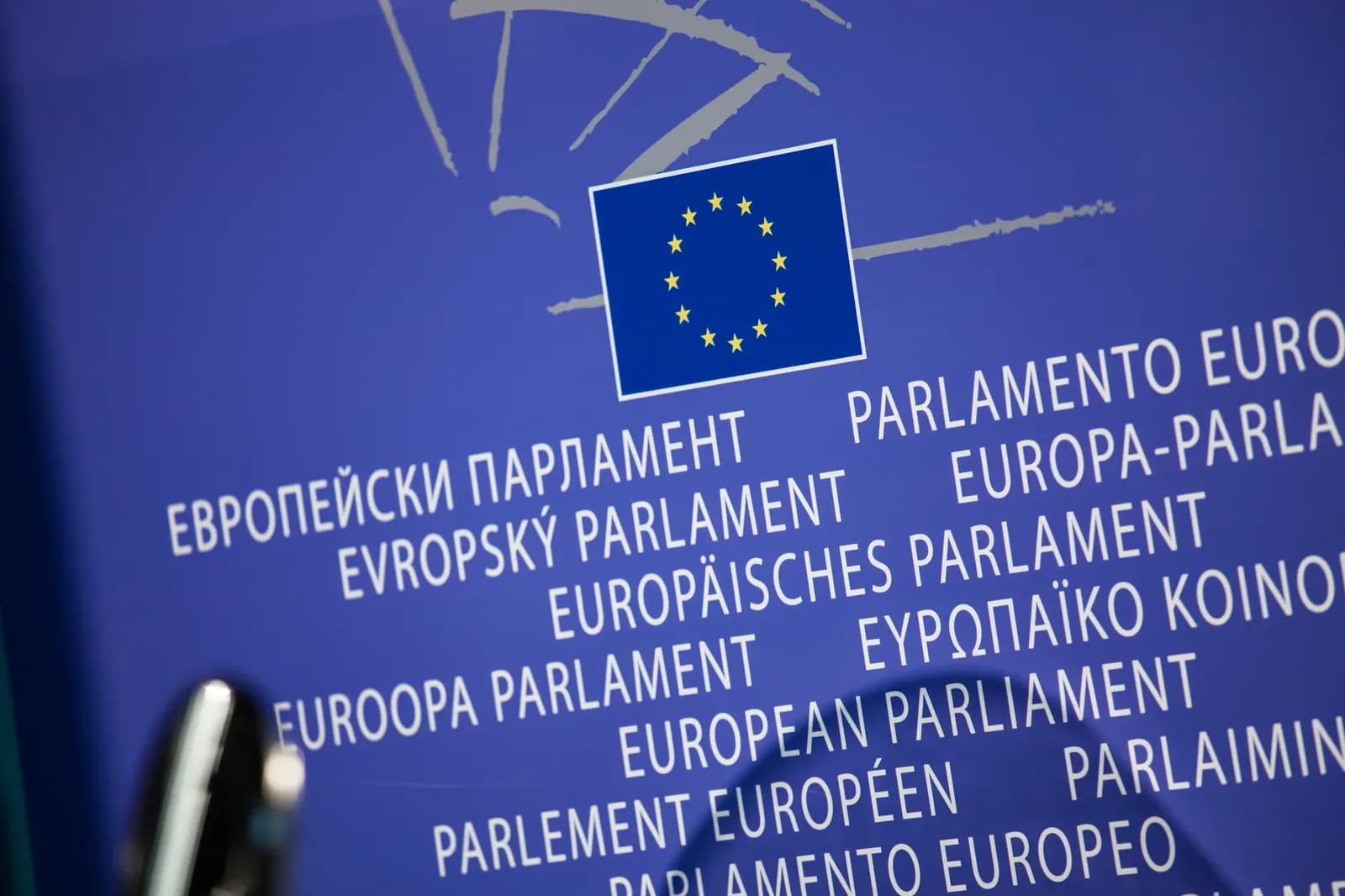
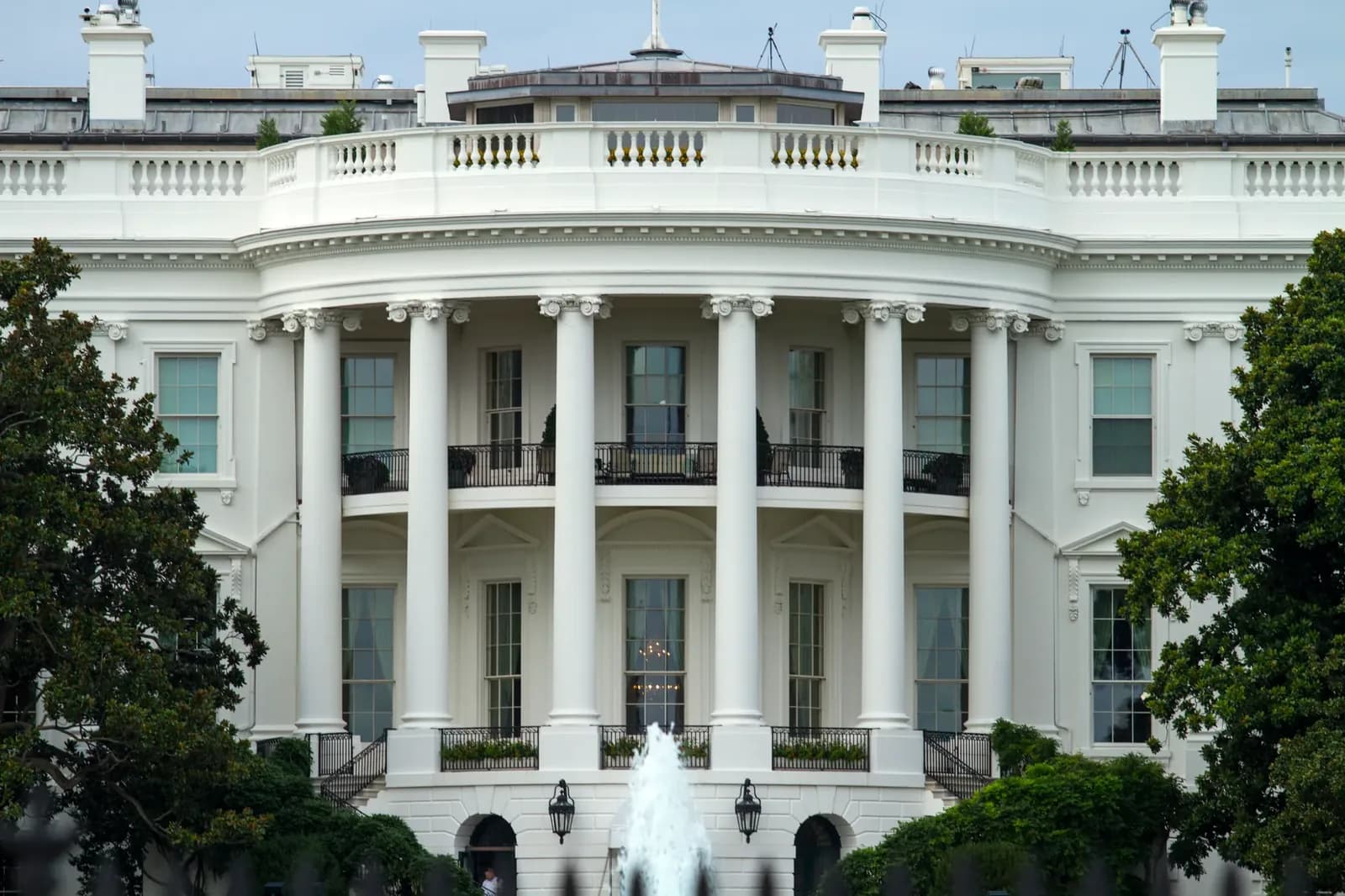
Donald Trump's administration put forward proposed tariffs on Wednesday covering 14 economies, among them the 27-member European Union, China, India, Japan, South Korea, Taiwan, Vietnam, Thailand, Malaysia, Singapore, Switzerland, Bangladesh, Cambodia and Indonesia. A senior official briefed reporters on a late-night call before the US Trade Representative's office published a series of investigations into trading practices. The official spoke on condition of anonymity because the reports had not yet been released.[S1][S3][S6][S8]
The official said the measures remain proposals and declined to set firm dates for carrying them out. China was singled out for a suggested 20 percent rate, matching the highest figure in the package. In a separate action, the US Trade Representative's office also floated extra duties on Brazilian goods, aircraft among them, citing what it called insufficient action on American trade concerns.[S1][S4][S7]
According to the official, the duties are designed to counter manufacturing output abroad that Washington attributes to subsidies and trade barriers, which it argues leave US producers at a disadvantage. The revenue would also help offset money lost after the Supreme Court ruled in February that Trump could not invoke an economic emergency to sidestep Congress and impose blanket tariffs.[S1]
Inflation and the midterm backdrop
The announcement arrived a few weeks after voters, with living costs as the central issue, handed control of both chambers of Congress to the Democrats and away from Trump's Republicans. In September, US consumer prices were up 3.7 percent from a year earlier, near a three-year high, driven by Trump's conflict with Iran, previously imposed duties and large-scale spending on artificial intelligence. Federal Reserve officials, who target two percent over the longer run, note that most price pressure from the earlier round of duties has already passed through, although additional levies might push costs up once more.[S1]
Businesses already squeezed by previous duties may pass the added costs to households, the reporting suggests. The official indicated the earliest the new tariffs could take effect is January, and said they would not stack on top of existing sector-specific duties on goods such as automobiles and steel. Where economies face both the forced-labour tariffs imposed in July on 60 partners and the new excess-capacity levies, the higher of the two rates would apply rather than both.[S1]
Expected pushback and the G20 stage
Trade lawyer Ryan Majerus told AFP the excess-capacity probe could rank among the administration's most consequential actions, describing the underlying worry that factories with surplus capacity keep operating abroad even without demand. That, he suggested, can produce oversupply, weaker prices and a hollowing out of US manufacturing. Beijing has long rejected claims that it leans too heavily on exports, and strong resistance to the US determination is anticipated from China and others.[S1]
The official argued the announcements should not generate friction when Trump hosts G20 leaders in Miami in December, and said more agreements might be signed at the summit as a result. The package offers some relief to partners that previously struck tariff deals with Washington, while sector-specific duties imposed earlier remain in force despite the Supreme Court's February ruling.[S1][S2][S5]