What the order changes, and what it adds
President Trump signed an order on Friday that removes 50% tariffs from a group of Canadian goods, with the exemptions scheduled to begin on October 30. The relieved items include corrugated boxes, crates, plastic sacks, packing machinery, refrigeration equipment, plywood sheets, some paper products and seaweed, according to a White House proclamation. At the same time, the administration placed new categories of Canadian products under 50% duties, among them shampoo, vinyl flooring, coffins, carpets, window-unit air conditioners, certain valves and waste products. The White House described the adjustment as a way to sharpen the scope of the tariffs applied to Canada.[S1][S2]
The products had been caught up in the billions of dollars of Canadian imports that Trump taxed after negotiators from the two countries failed to conclude a trade agreement. Trump has said the duties are needed to address what he regards as unfair Canadian trade practices. The possibility of a trade war with one of the largest U.S. trading partners, and the steep charges on Canadian goods, has drawn objections from some Republicans during an election year in which household costs dominate the debate.[S1]
Collins claims credit as Maine producers look on
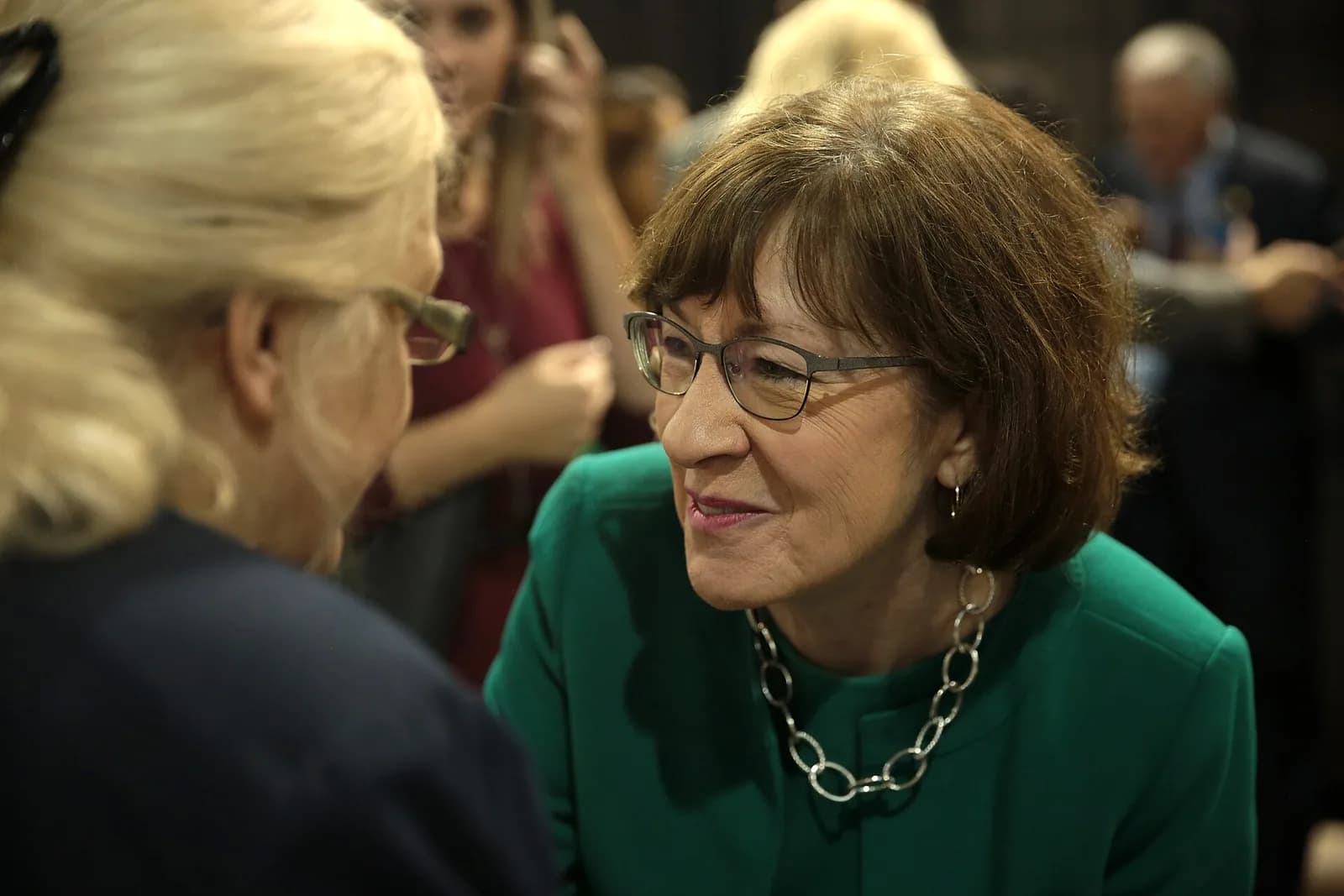
Republican Sen. Susan Collins, who is running for a sixth term in a state that leans Democratic, announced the exemptions on social media and said she had secured relief for products that matter to Maine's agricultural industries, naming blueberry, potato, apple and seaweed producers. In a statement she explained that wild blueberry growers depend on specialized harvesting boxes from Canada, and that apple and potato farmers also use Canadian supplies during harvest. She said she had asked senior Trump administration officials for relief on these goods.[S1][S2]
Collins argued that the producers are a central part of the state's economy and sustain rural and coastal communities, and that many farmers rely on specialized equipment and packaging from Canada that American suppliers do not offer or that cannot be replaced without major cost. She has criticized the trade war while stressing her behind-the-scenes work for Maine, which borders Canada and is economically intertwined with it, and she has pointed to earlier exemptions for road salt and pulp.[S1]
Democrats call the timing political
Democrats dismissed the carveouts as a ploy timed for the campaign. Rep. Richard Neal of Massachusetts, the top Democrat on the House Ways and Means Committee, contended that easing duties on a handful of goods to benefit a political friend just 11 days before voters go to the polls amounted to a frank concession that the trade approach had not worked, and he said the tactic depends on politicization and deliberate disorder instead of sound justification.[S1]
Troy Jackson, Collins's Democratic opponent, said the trade wars had made life harder and more expensive for Mainers and that Collins had enabled the chaos. During an early October debate he pressed her on what would happen to the products left out, remarking that road salt cannot be eaten. Democrats have also contended that Collins, despite her influence, has not pushed Trump hard enough to remove the tariffs altogether.[S1][S2]
Trade talks and the midterm backdrop
The White House announcement did not mention Collins, and the Commerce Department and the Office of the U.S. Trade Representative did not immediately respond to requests for comment. Trump said Canada is working very hard toward a trade deal, while Canadian Prime Minister Mark Carney said an agreement could be signed that afternoon if the United States were ready. Reporting cited by the aggregation said the rollback could help Republican candidates in the November 3 midterms, as many voters name affordability and economic pressure among their top concerns.[S2]