A life's work finally reaches theaters
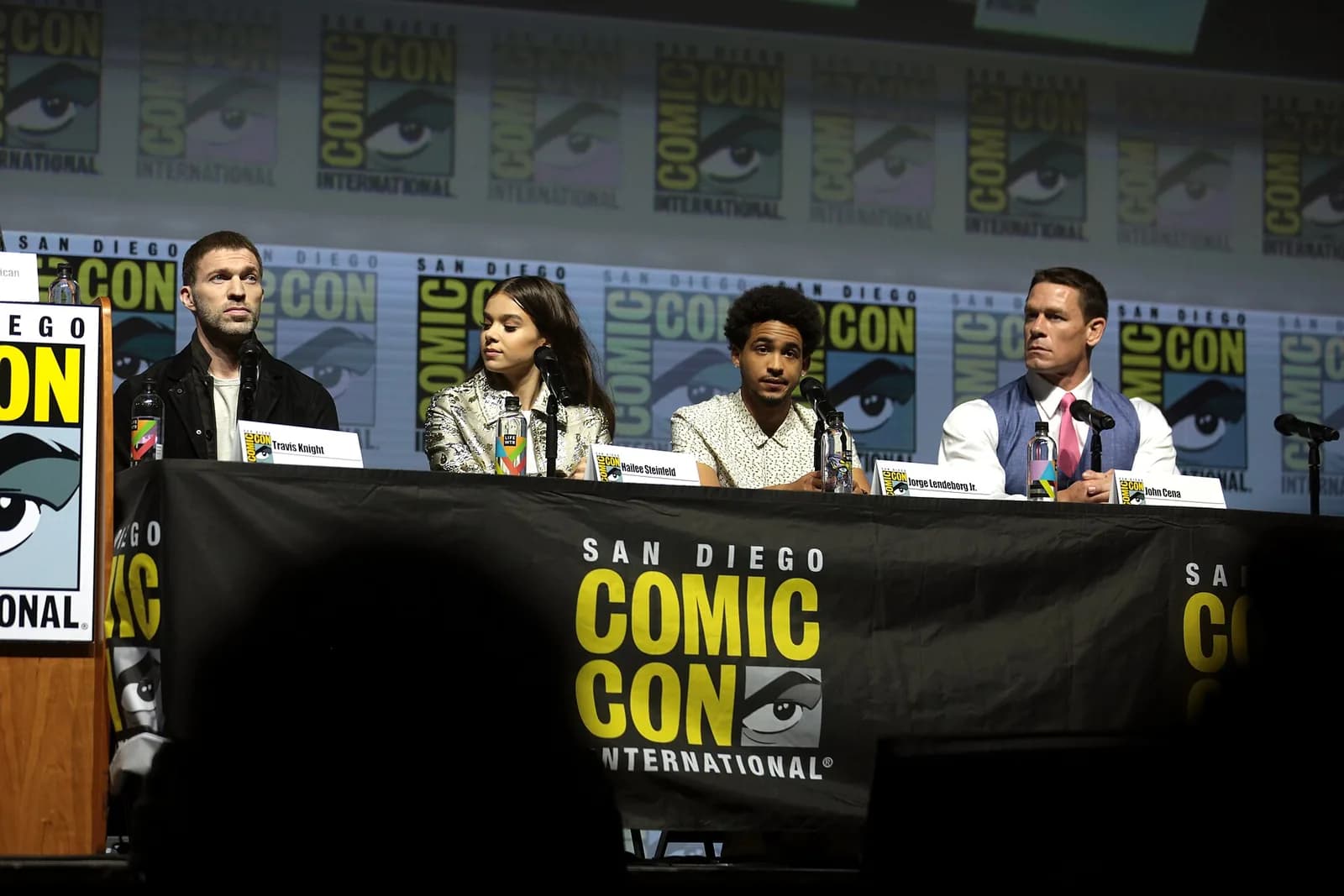
Travis Knight, who runs the independent animation studio Laika and directed Wildwood, describes the project as having occupied more than half of his career. The film consumed 231 weeks of production, and now that it is finished he says he is working through a kind of letdown, unsure what to do with the time and feeling that the work had absorbed. He has not given a longform interview in years, largely because of the film's demands.[S1]
The promotional path has already taken him to Telluride and to Annecy in France for pop-ups, and the world premiere brought him back to London, where he had just finished postproduction. Wildwood reaches theaters on Oct. 23. Knight, 53, spoke in Beverly Hills on a very hot afternoon, having flown in from London, and he was candid that the part of the job he finds least comfortable is selling the film, since running Laika means he is essentially performing much of the time.[S1]
Handmade craft on a smaller budget
Laika built its reputation on handcrafted stop-motion features such as Coraline and Kubo and the Two Strings, the latter Knight's directing debut. Those films were made for a fraction of what rivals like Pixar and Illumination spend, yet they still reached solid box office and earned Oscar nominations. Knight declined to give Wildwood's budget but said it is the studio's costliest film so far, arguing that Laika has always delivered more on screen than the money invested would suggest.[S1]
Chris Butler, a Laika regular, adapted Colin Meloy's 2011 fantasy novel. The story centers on Prue, played by Peyton Elizabeth Lee, a teenager in Portland, Oregon, who enters an enchanted forest without realizing what she is doing in order to bring back her kidnapped baby brother. The result is a visually and dramatically ambitious adventure populated by strange creatures and built around family, grief and growing up, with action whose physical intricacy feels new for the medium.[S1]
The production numbers are striking: 233 handmade puppets, hundreds of thousands of replacement faces, 132 practical sets and 728 miniature trees standing in for 10 species native to the Pacific Northwest. The climactic battle alone runs to more than 400 shots. Shooting began a little over five years ago, and more than 1,000 people worked on the film. Knight argues that the story could have been live action with visual effects, hand-drawn or fully computer-generated, but that making it this way is what defines it, because audiences watch human hands coax life from materials.[S1]
Critical praise and a commercial test
Reviews have been strong, with The Hollywood Reporter calling the film Laika's masterpiece, and the Financial Times describing the fantasy adventure as a stop-motion marvel. Whether audiences turn out is the open question. Laika previously worked with Focus Features and United Artists; this time it has partnered with the event-focused Fathom and is handling its own marketing. Tracking points to opening-weekend grosses in the teens of millions, a range familiar from Laika's word-of-mouth successes.[S1][S4]
Knight is blunt about the stakes for an independent company carrying so much of the burden, calling the release a grand experiment and conceding that it could fail outright, an outcome he described with a laugh as slightly terrifying. He has also drawn a firm line against artificial intelligence in cinema, arguing that it is not a tool for this kind of filmmaking.[S1][S3]
From a Nike childhood to a hip-hop detour
Knight is the son of Phil Knight, the Nike founder, and grew up in Oregon, where he still lives. He says he did not grasp how hard the company's early years were for his parents. He describes himself as an odd child without the vocabulary to explain it, noting that the term neurodivergence did not exist in the 1980s, and that he made friends slowly and was content in his own company. His father pushed him toward sports, which he did not enjoy, and brought him to business dinners where he sat in a corner drawing.[S1]
His parents were devoted readers and film lovers, and his mother's first book to him was The Lord of the Rings. He was encouraged to draw from as early as he can remember and was absorbed by animated classics including the 1981 Clash of the Titans and Ray Harryhausen's work. A career in the field seemed unimaginable to him at first, and he initially went in a very different direction: before reaching adulthood he signed a prominent album deal as the hip-hop artist Chilly Tee, having kept his love of music private until his father's connections helped put him in the spotlight.[S1]