A split close leaves the weekly recovery intact
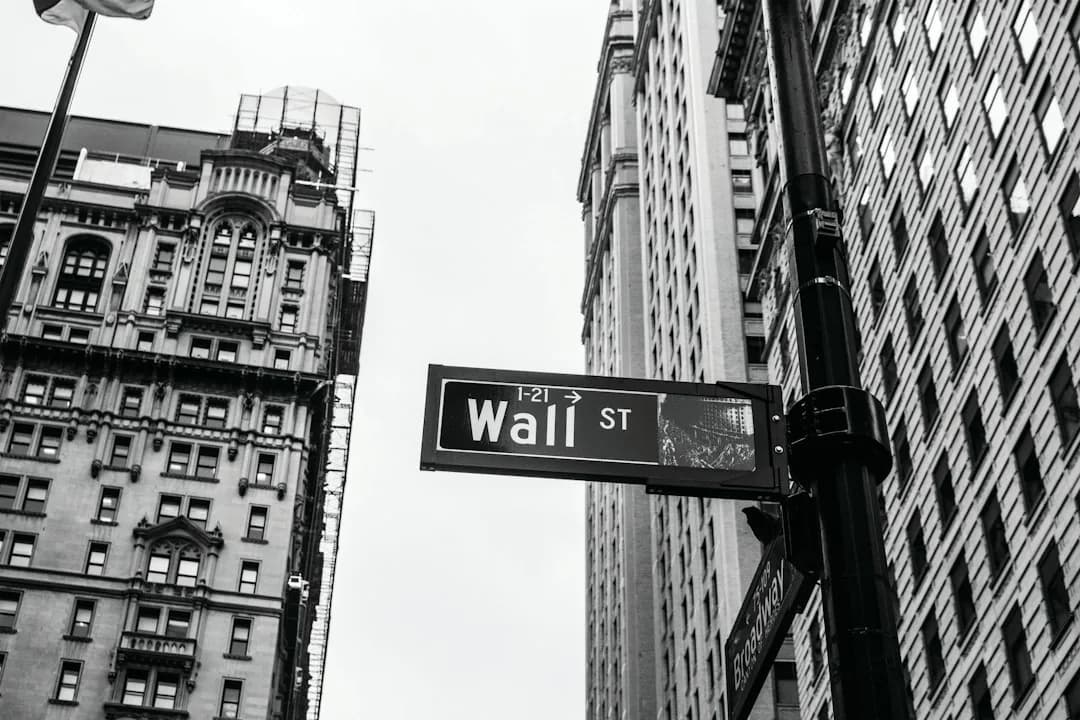
Wall Street ended Friday, November 13, 2026, with a mixed result as technology shares lost ground before two looming examinations of the artificial intelligence trade. The Nasdaq Composite dropped 0.91%, the S&P 500 fell 0.40%, and the Dow Jones Industrial Average finished about 0.1% higher. Even so, each of the three benchmarks closed the week in positive territory, with the S&P 500 up roughly 2.51%, the Nasdaq ahead 2.27% and the Dow 2.07%.[S1][S2][S3][S5][S6][S8]
The pattern within the S&P 500 was telling: most sectors rose even as technology declined, which points to selling concentrated in one part of the market rather than a broad retreat. The early-week rebound proved large enough to outweigh Friday's weakness, but it left open questions about AI valuations, leadership and financing that the coming days may begin to answer.[S1]
Nvidia confronts its first post-Huang test
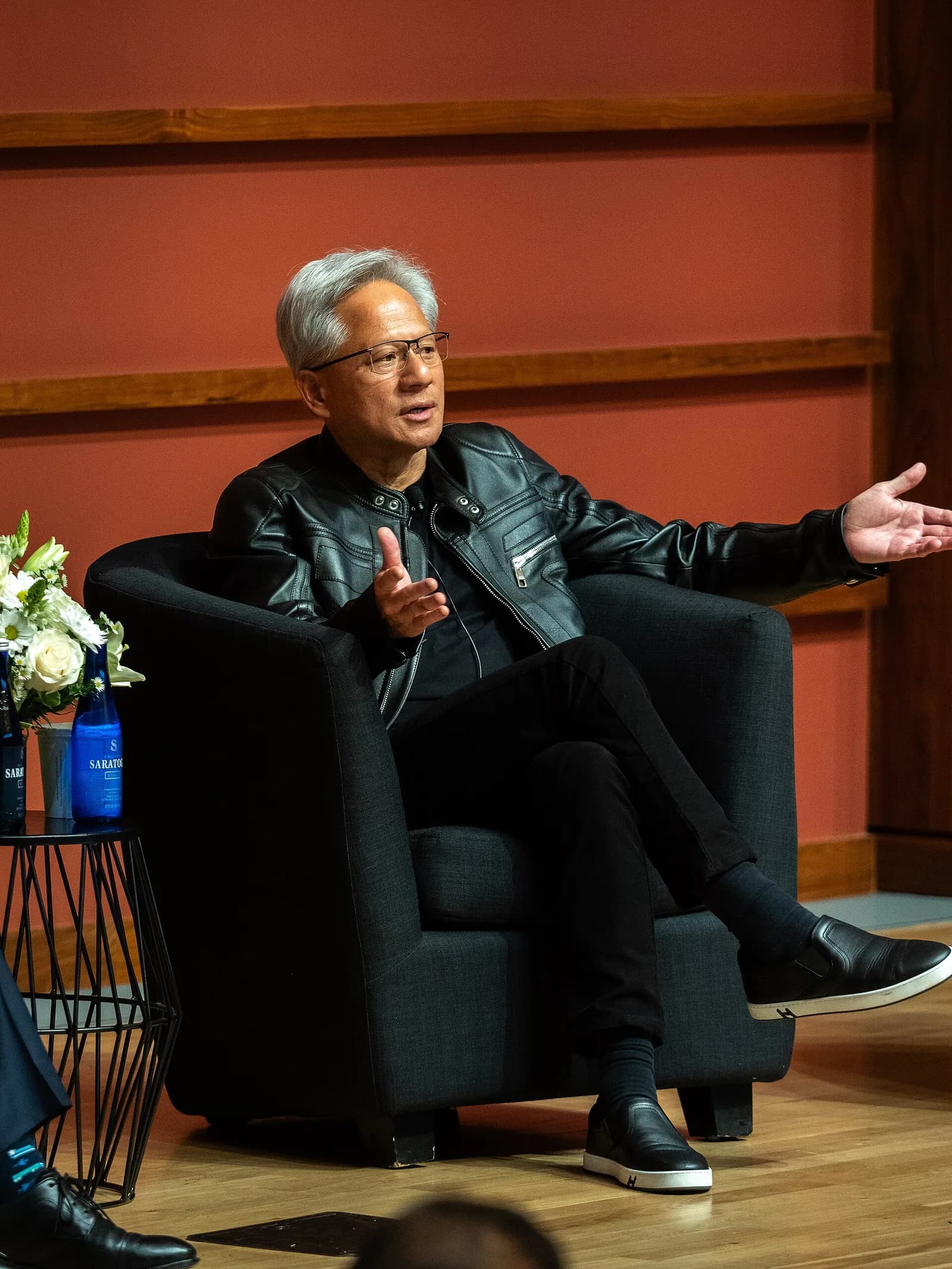
Nvidia remained under pressure after Jensen Huang's resignation, and Friday's decline extended a difficult stretch for the chipmaker and the AI businesses tied to it. Interim chief executive Colette Kress now faces questions about strategic continuity and investor confidence. The stock closed about 2% lower on the day, taking its weekly loss to 12.75%, according to the supplied market update.[S1][S2][S5][S8]
Tuesday's earnings report gives investors a chance to judge operating performance separately from the leadership upheaval. The issues reach past chip demand: investors are seeking clarity on customer commitments, infrastructure spending and the financing arrangements underpinning Nvidia's wider ecosystem. Solid revenue on its own may not resolve doubts about how durable those relationships are.[S1]
Anthropic's listing adds a second valuation test
The planned Anthropic listing poses a different question: how much investors will pay for a leading developer of AI models. In the supplied Wall Street Journal account, chief executive Dario Amodei said during a livestreamed conversation with JPMorgan Chase chief executive Jamie Dimon that he hoped the company would underpromise and overdeliver. Anthropic reportedly aims for a valuation of about $1.33 trillion or more, with trading expected on Thursday.[S1]
Those figures describe an intention, not a completed deal; final pricing, share allocation and first-day trading could all turn out differently. Taken together, Nvidia's results and Anthropic's debut will gauge demand for both established AI infrastructure and newer software businesses carrying very high valuations.[S1]
Inflation, yields and energy keep the backdrop tense
Wholesale prices rose 0.3% in October, slightly under the 0.4% forecast, while the yearly producer inflation rate reached 6.5% — its highest level since November 2022. Consumer prices likewise exceeded projections: headline CPI advanced 0.4% for the month and core CPI gained 0.3%, both 0.1 point above estimates. According to CNBC, absent October 2025 figures meant no matching annual CPI reading could be published, and the 10-year Treasury yield drifted up toward 5.15%.[S1][S4]
In the euro area, Eurostat's October flash estimate put annual inflation at 4.0%, up from 3.8% in September, driven by energy prices that rose 20.8% over the year. Services inflation reached 3.3%, while food, alcohol and tobacco rose 1.6%. Because these are consumer prices rather than US producer prices, the headline rates are not directly comparable, but both releases underline how much energy and underlying cost pressure still matter.[S1]
Oil finished mixed. Brent settled at $95.84 a barrel, up $0.02, while West Texas Intermediate ended at $88.56, down $0.18 or 0.20%. Fears about Persian Gulf supplies, including threats to shipping lanes and energy infrastructure, supported prices, while expectations of ample global supply and larger US inventories pulled the other way. Both benchmarks posted a second straight weekly decline.[S1]