Shenzhen summit puts great-power diplomacy on display
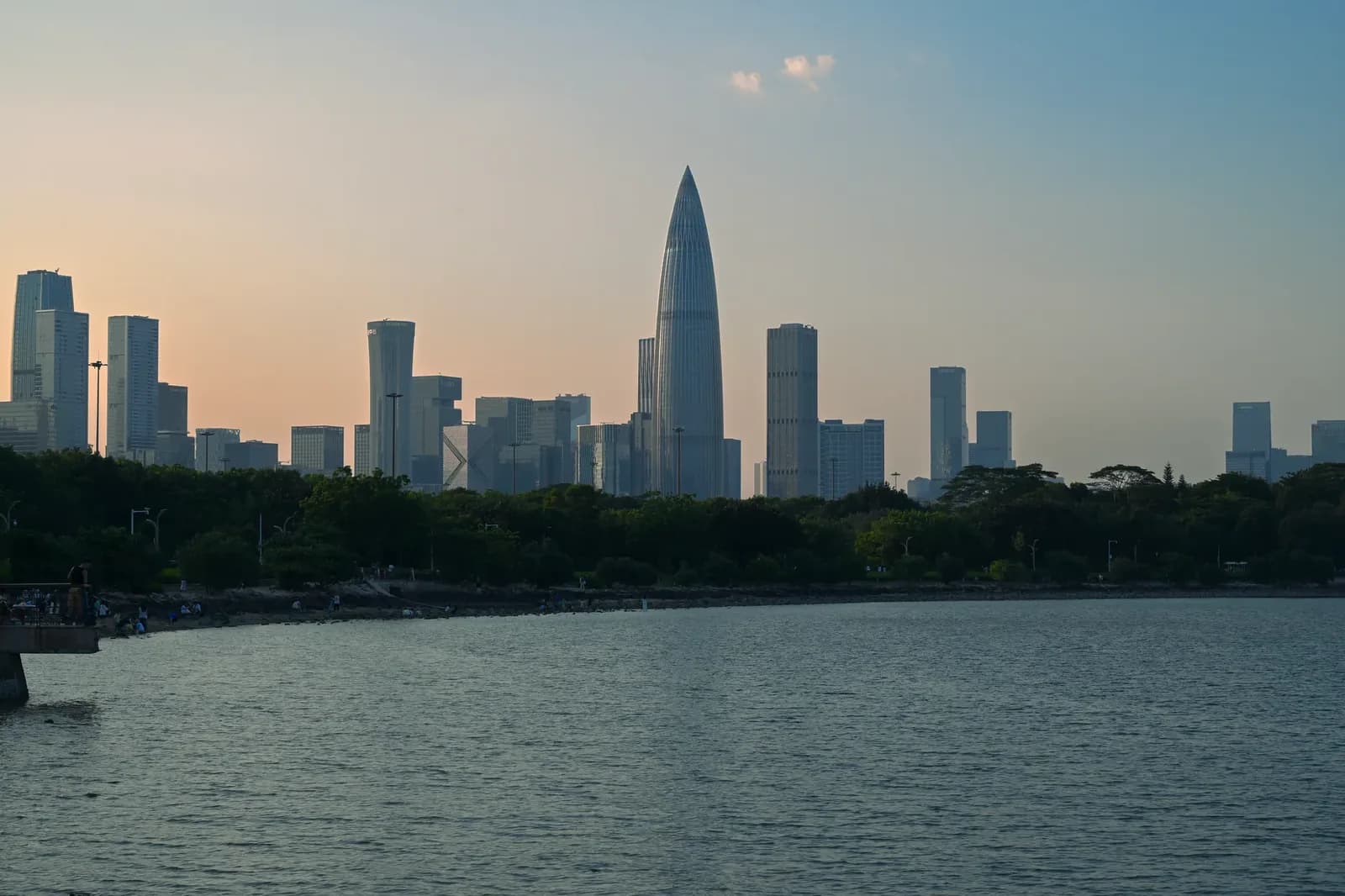
The Asia-Pacific Economic Cooperation leaders' meeting opens Wednesday in Shenzhen, the southern Chinese technology hub that is home to several of the country's largest tech firms. Beijing holds the home advantage as it receives Donald Trump, Vladimir Putin and leaders from economies across the region, two weeks after the US president lost midterm elections. APEC economies account for more than 60% of global GDP and the forum has chiefly championed free trade and multilateralism.[S1][S2]
The confirmed trilateral session between Trump, Xi Jinping and Putin has drawn comparisons to the 1945 Yalta conference, where Roosevelt, Churchill and Stalin divided postwar Europe. Analysts doubt a repeat that dictates terms on Ukraine and Taiwan without those parties present. Xiaoyu Pu, an associate professor of political science at the University of Nevada, described the three-way meeting as possibly more symbolic than substantive, while noting that symbolism carries weight in great-power diplomacy.[S2]
Pu outlined the priorities each leader is expected to bring: Trump has shown interest in nuclear arms control and denuclearisation, Xi is likely to seek a stable relationship with Washington while keeping China's strategic partnership with Russia intact, and Putin wants to preserve his bargaining leverage over Ukraine. A CEO summit runs alongside the leaders' meeting, and Xi is expected to use the Shenzhen setting to highlight the country's expanding technological capacity.[S1][S2]
ASEAN, the Quad and a crowded diplomatic calendar
The ASEAN Summit opens in Manila, bringing world leaders and senior diplomats together to test the bloc's influence on maritime security and regional trade. On the margins, the Quad grouping of the US, India, Japan and Australia is scheduled to meet, and a dedicated US-ASEAN session aims to recalibrate ties. Brazil's Luiz Inacio Lula da Silva, Canada's Mark Carney and IMF leadership are set to address plenary sessions before leaders move to the East Asia and ASEAN+3 meetings.[S1][S2]
Cambodia is simultaneously hosting a summit of French-speaking nations, attended by Carney and Emmanuel Macron. Macron is additionally slated to visit Malaysia, where he will meet Prime Minister Anwar Ibrahim to discuss elevating bilateral ties to a strategic partnership — the first such French presidential trip in roughly a decade. A France-Malaysia Business Forum precedes it, addressing semiconductors, AI infrastructure, the energy transition and aerospace. Themes recurring across the summits include AI supply chains and governance, tariff cuts, the green transition, and the South China Sea, where Beijing has constructed sizable military outposts in contested waters.[S1][S2]
Central banks, chip earnings and an AI listing
Bank Indonesia announces its monetary policy decision after holding its benchmark rate at 5.75% in October, with the rupiah under renewed pressure after recently touching a record low. Investors will look for signals that the central bank is ready to raise rates or intensify currency intervention, against an economic outlook the country is struggling with alongside political turmoil. Regional data this week includes Japanese and Thai GDP, Chinese retail sales and unemployment, Indian trade and unemployment, Malaysian GDP and inflation, and Singapore trade.[S1]
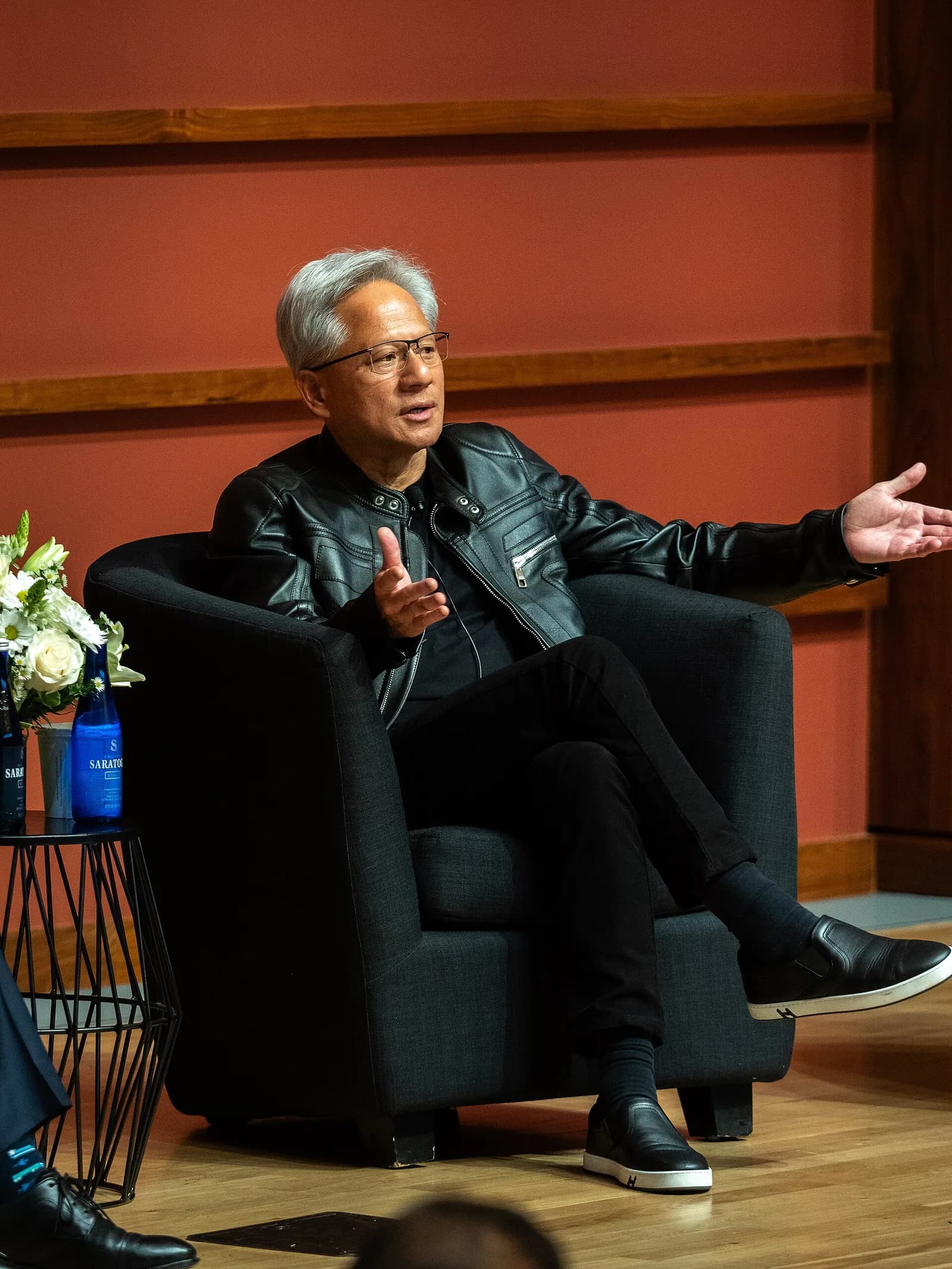
Nvidia reports third-quarter results at a delicate point for the artificial intelligence industry, as investors question whether heavy spending on AI infrastructure can continue after the US midterms and amid growing resistance to data centre expansion. The call is the first major investor test for CFO Colette Kress, who became interim CEO after Jensen Huang resigned abruptly during a personal and national security scandal. Markets will watch for the growth outlook, leadership transition plans and whether the company can hold its AI chip dominance without Huang.[S1][S2]
Anthropic is expected to debut on Nasdaq under the ticker ANT, with an indicative range of $70 to $78 a share that implies a valuation of up to roughly $1.4 trillion. The Claude maker's listing is among the largest and most closely followed technology offerings, and it will gauge public-market appetite for AI firms as investors weigh fast revenue growth against steep computing costs and doubts about the durability of the AI boom.[S1]
Courts, legislatures and the week's other markers
The International Court of Justice is set to rule on claims that Myanmar carried out genocide against the Rohingya. Gambia filed the case in 2019 on the Organisation of Islamic Cooperation's behalf, alleging that Myanmar committed killings, sexual violence, torture and the razing of Rohingya villages in Rakhine state in 2016. Meanwhile, Vietnam's National Assembly is expected to wrap up its second session after legislators pass more than 40 laws and resolutions covering real estate, business development and public finance.[S1]
Nikkei marks its 150th anniversary with a three-day event, Dialogues on the Future, featuring SoftBank Group CEO Masayoshi Son, 01.AI CEO Kai-Fu Lee and Fast Retailing CEO Tadashi Yanai, alongside figures discussing the future of journalism and management. The Singapore FinTech Festival, organised by the Monetary Authority of Singapore, convenes industry leaders, investors and policymakers for three days of discussion on digital banking, AI, blockchain and sustainable finance. The Japan-Southeast Asia Market Forum, now in its fifth year, coincides with 60 years of Japan-Singapore diplomatic relations.[S1]