A five-page order lifts the construction pause
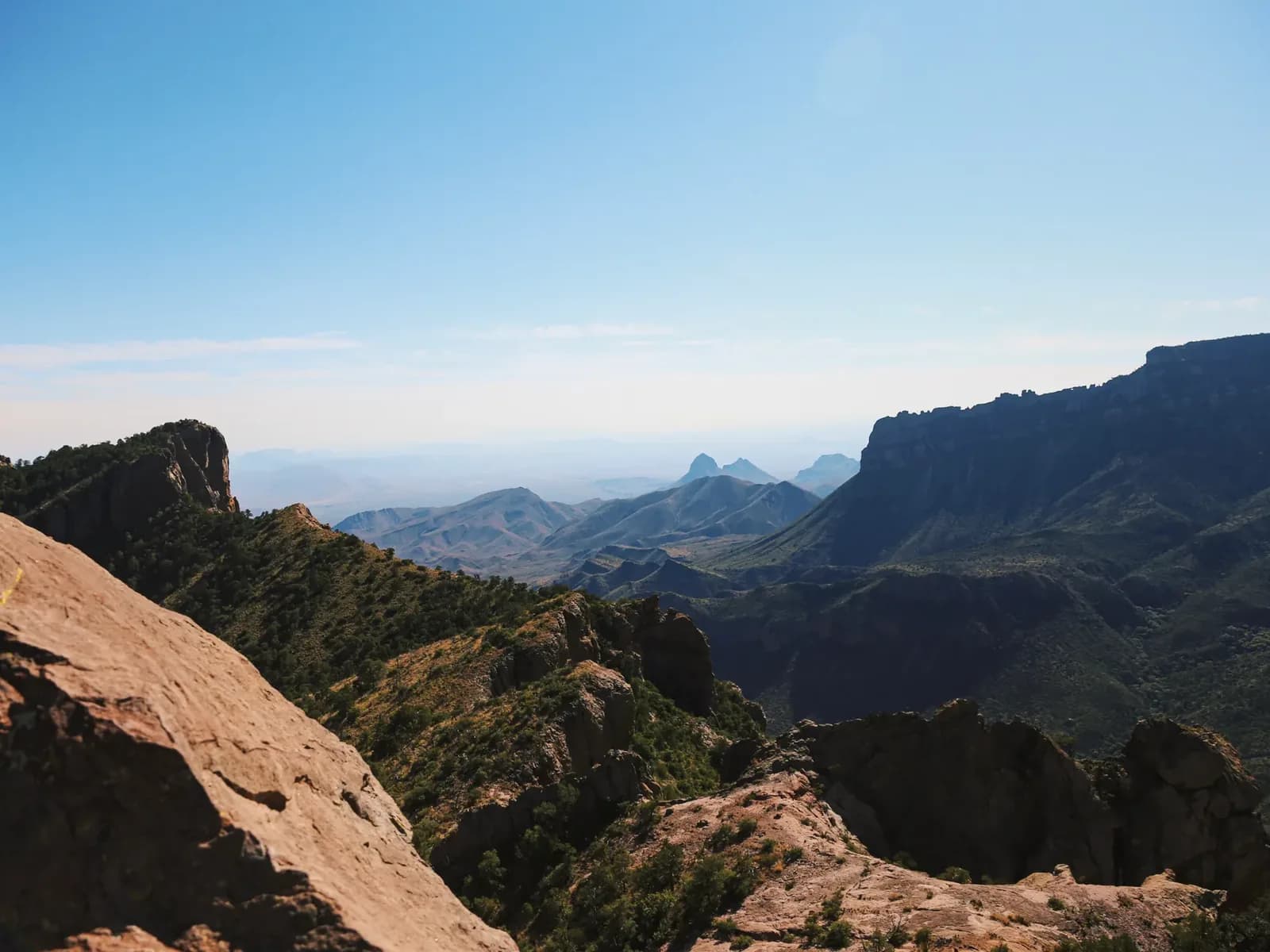
The US Supreme Court has cleared the path for Donald Trump's administration to carry on building a border wall across Texas's Big Bend region, a stretch that takes in portions of Big Bend National Park. In an unsigned ruling running five pages, the justices granted the administration's emergency request to set aside a lower court order that had stopped work last month. Of the nine justices, only Ketanji Brown Jackson, a member of the court's liberal wing, dissented.[S1][S2][S3][S4][S5][S6][S7][S8]
The court weighed the claims of plaintiffs who include the Center for Biological Diversity, a river guide working in Big Bend and a group devoted to preserving a church. Those plaintiffs contended that building in the Big Bend sector would reduce their capacity to use and take pleasure in the area. The justices acknowledged that argument but concluded that lawmakers' passage of the immigration statute, which lets the homeland security secretary set aside environmental-protection and other conservation requirements, shows a deliberate preference for speedy border construction over the harms the plaintiffs describe.[S1]
From that reading, the court reasoned that the government's interest carries more weight than any harm to aesthetics, recreation or the environment that the plaintiffs allege. The decision means crews may move back into terrain the administration has targeted for barriers and access roads, a project it frames as necessary border security and critics frame as an assault on public land.[S1]
What the administration intends to build
The administration's plan covers more than 300 miles of vehicle barriers standing six feet tall, together with the roads that would support them. It rests on a 1996 statute that empowers the homeland security secretary to waive all legal requirements, environmental and conservation protections among them, in zones identified as seeing high volumes of illegal border crossings.[S1]
A Customs and Border Protection map shows barriers and patrol roads laid out across Big Bend National Park, reaching remote ground where crews would need to blast extensively with dynamite. The Center for Biological Diversity also points to isolated canyons slated for construction where no unauthorized vehicle crossings have been documented and where vehicles cannot reach the US-Mexico border at all.[S1]
Rodney Scott, the CBP commissioner, has said the wall is going up at roughly 12 miles per week and should be finished by the close of Trump's second term. The agency has awarded five contracts exceeding $6bn for border security upgrades in Big Bend, covering 30-ft steel fencing, vehicle barriers and surveillance equipment, a package it calls its smart wall.[S1]
Opposition from residents and conservationists
According to the plaintiffs, the project threatens wildlife and public lands, could spoil treasured sections of the protected Rio Grande corridor, and would weaken an intricate framework of statutes designed to safeguard a broad range of biological, historical, cultural and other values. Residents of both political parties have voiced opposition as well, and many caution that building the barrier might jeopardize their means of living and disrupt their communities.[S1]
The Center for Biological Diversity criticized the decision, saying it lets contractors level untouched desert and blast canyon walls with explosives before the courts have decided whether such destruction is lawful. In the group's view, the justices were sanctioning the lasting devastation of Texas's wildest terrain and the taking of a major American river from the public, and it warned that future generations of Texans and Americans would bear the loss, with the administration answerable for the vanished natural heritage.[S1]
Following a federal judge's temporary stop to construction in October, CBP said it stood behind its evaluation and was confident in its legal authority to protect the border while safeguarding the distinctive landscape of the Big Bend area. The Guardian sought comment from CBP regarding the most recent ruling.[S1]