A finale that leaves River gasping on the floor
The sixth season of Slow Horses finished on Apple TV with a mixture of gunfire and quiet devastation, and one central figure appeared to draw his final breath. Across the run, the Slough House crew under Gary Oldman's Jackson Lamb lost the unstable but likable Coe, played by Tom Brooke, and Emma Flyte, an honorary member of the group played by Ruth Bradley. Several adversaries also met grim fates, among them two Russian assassins and a pair of British contractors who discovered they had been hired for the same task.[S1]
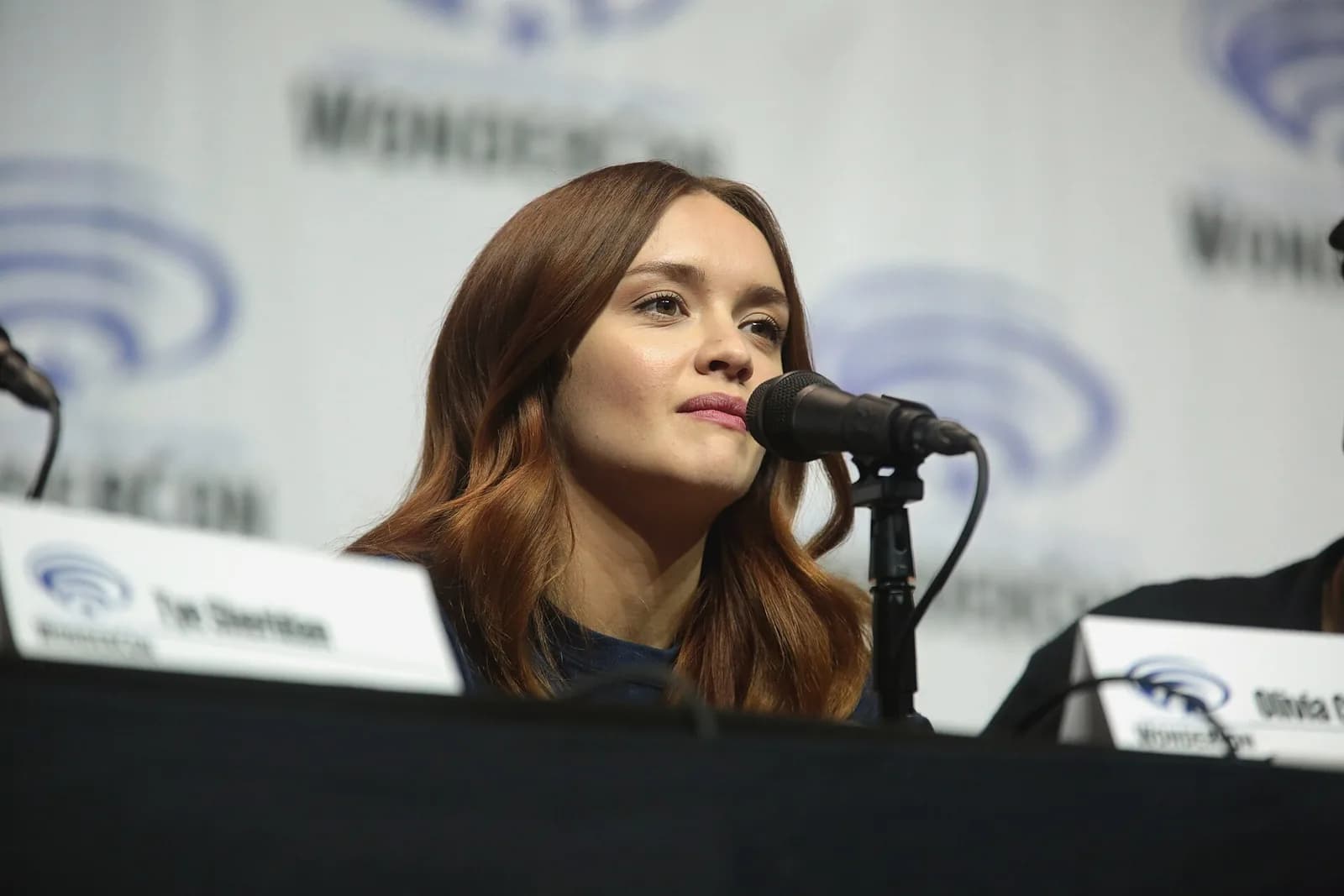
Olivia Cooke's Sid Baker came back this season after viewers had assumed her dead since the first season, a return long anticipated by readers of the novels. Her romance with River Cartwright, played by Jack Lowden, also began to take shape. Yet nobody familiar with the series expected the couple to enjoy even a single night together, let alone a joyful conclusion, given that Slow Horses has never shown a working romance apart from Lamb's devotion to fast food.[S1]
What audiences saw instead: River arrives at his late grandfather's house, delighted that Sid has slipped past both the Russian killers and MI5's own pursuers. While she showers upstairs, he potters in the kitchen, weighing whether tea or wine is the better way to court her, and then crumples to the ground, poisoned. The episode closes with him on the floor, fighting for air.[S1]
A trailer for the already-completed seventh season, in which Lamb describes Cartwright as writing from the afterlife, has encouraged speculation that the character has been killed off, particularly since Lowden has been mentioned as a possible next James Bond. Readers of Mick Herron's books, however, know that at Slough House appearances rarely hold.[S1][S5]
Two endings, and the happy one stayed on the cutting room floor
Director Adam Randall, who is also set to direct the eighth season, confirmed to Variety that the cast filmed an alternative, happier resolution for River and Sid that the finished show did not use. His account, reported by several outlets, places the choice at the center of the season's final moments rather than treating the poisoning as the only version ever shot.[S1][S2][S3][S4]
Randall also walked through the practical problems behind the climactic beach sequence. Matching the on-screen geography was the hardest part, he explained: a plan that reads well on paper rarely matches a real location, so the sequence had to be rewritten around the place they found. Even on arrival, questions persisted about why a character such as Frank would not simply spot the group, or why anyone would hide in a pipe, and those gaps were closed with staging tricks and visual effects.[S1]
Cliffs were added and tall grass was layered in, Randall said, to give a reason why nobody simply ran away and why the characters stayed trapped. The injury that slows Moira, a sprained ankle after a fall down the hill, was devised at the last moment, on the day before or the morning of the shoot, precisely to hold the group back. The pipe itself was a constructed set, he added, and filming inside it was tightly constrained because the camera can only point in or out, while the shifting sun kept altering the light on the beach and within the pipe.[S1]
A real house, a smashed doll's house and a fast-food standoff
Diana Taverner's home, played by Kristin Scott Thomas, was an actual property rather than a set built to be destroyed. Randall said the production searched the country for a house that came with the right surroundings, then reworked much of the interior, installed its own furniture and replaced the glass so that it could be shattered on camera.[S1]
The director saw a certain irony in using the glass-heavy house as a refuge for the Slow Horses, reading it as Lamb's retaliation against Taverner for everything she had done to banish them there. He likened the location to a doll's house, since much of the tension comes from watching the team turn on one another before any outside threat arrives, and he noted that a version of the story exists in which no attacker shows up and the group destroys itself through sheer irritation.[S1]
Randall named the Shake Shack sequence, in which Lamb and Reece, played by Lenny Rush, escape Frank Harkness, played by Hugo Weaving, by accusing him of being a child molester, as one of the season's toughest to stage. The scene needed enough mayhem for the audience to accept that the pair could simply walk out, and that required more than Gary Oldman's performance alone, pushing the production to keep escalating the disorder.[S1]