Disappointing market debut
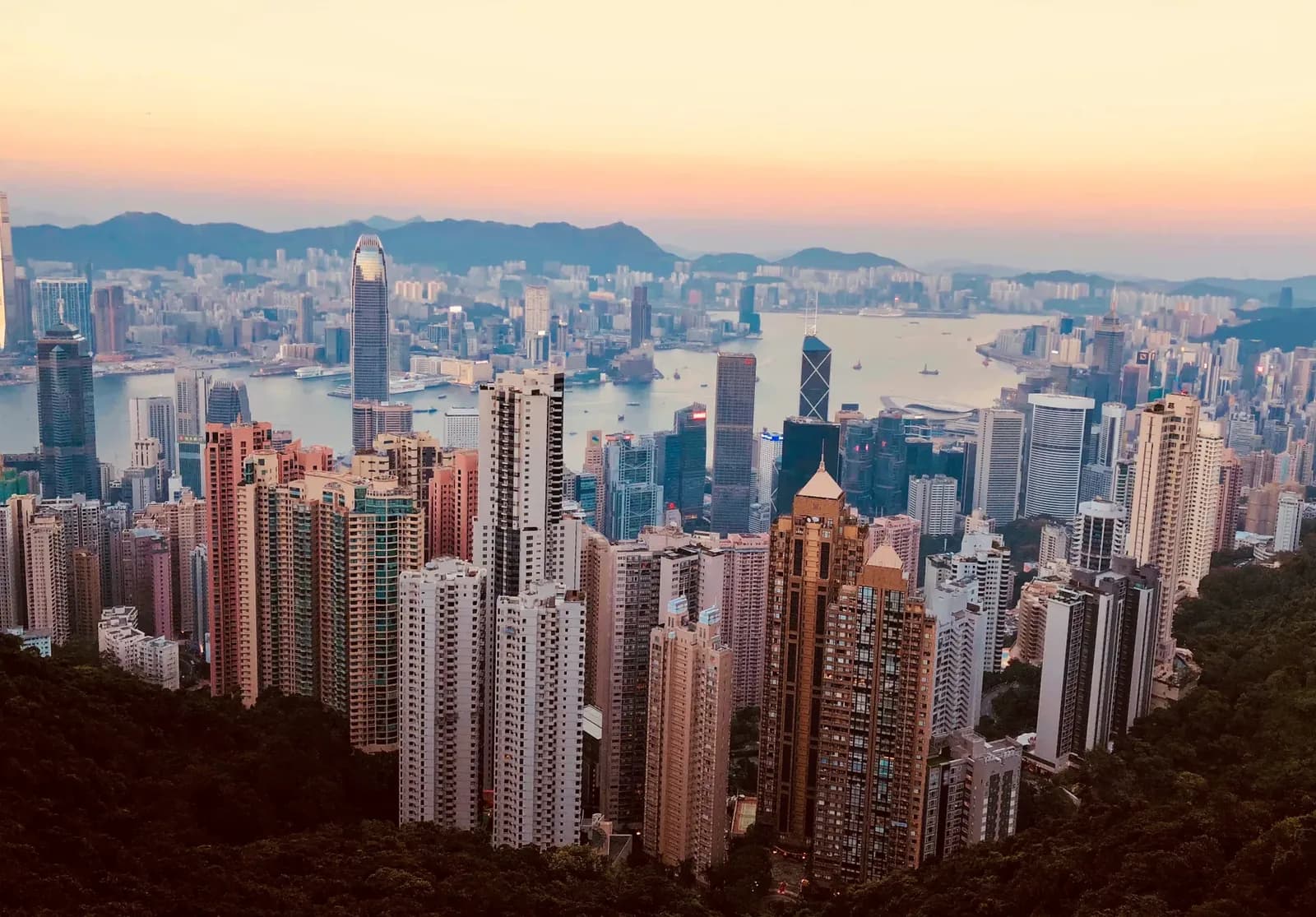
Shares in Shein dropped as much as 10% during its first day of trading on the Hong Kong stock exchange, after the company priced its initial public offering at HK$48.56 per share. That valuation put the business at just over $26bn, a sharp fall from its previous private valuation of nearly $100bn. By the close, the stock recovered slightly to HK$46.62, still 4% below the offer price.[S1]
The flotation raised HK$13.6bn, making it the largest new share sale in Hong Kong this year. The company's chief financial officer, Leigh Gui, marked the occasion by striking a gong and saying that the firm aims to let global consumers enjoy the sound of fashion. The listing follows years of attempts to go public, with earlier plans for a New York IPO blocked by regulators over forced labor concerns.[S1][S2]
Regulatory and competitive pressures
Shein's valuation has been hit by regulatory changes worldwide that threaten its model of shipping small packages from China to exploit tax exemptions on low-value goods. The US removed its de minimis import duty exemption, contributing to a $99m loss in the first quarter of this year, compared with a net income of $395m a year earlier. The EU has introduced a €3 duty on small parcels and plans to phase out the loophole, while the UK intends to do the same by October 2028.[S1]
The company also faces intense competition and trade tensions. Analysts note that investors are increasingly skeptical of fast-fashion firms, with rivals like Asos and Boohoo struggling. Charu Chanana, chief investment strategist at Saxo, said the disappointing debut suggests the market is not convinced Shein's growth can make a comeback, and that cheap prices may become harder to sustain, potentially leading to higher prices for customers.[S2]
A benchmark for the industry
This listing serves as a gauge for investor interest in fast fashion. Industry expert Louise Deglise-Favre from GlobalData described it as a rare independent e-commerce company that can be evaluated on its own, but pointed out that investors have become wary, with sustainability and ethical issues adding to the complexity. Shein was established in China in 2008 and is now based in Singapore, a relocation that analysts interpreted as an attempt to avoid scrutiny of Chinese firms.[S1][S2]
Despite the weak debut, Shein remains one of the world's biggest listed fashion groups, with a valuation comparable to H&M, while Inditex, owner of Zara, is worth about $213bn. The company has said it tightened supplier policies with regular audits, and any child or forced labor violations would lead to immediate termination of contracts.[S1]