A death announced by his representative
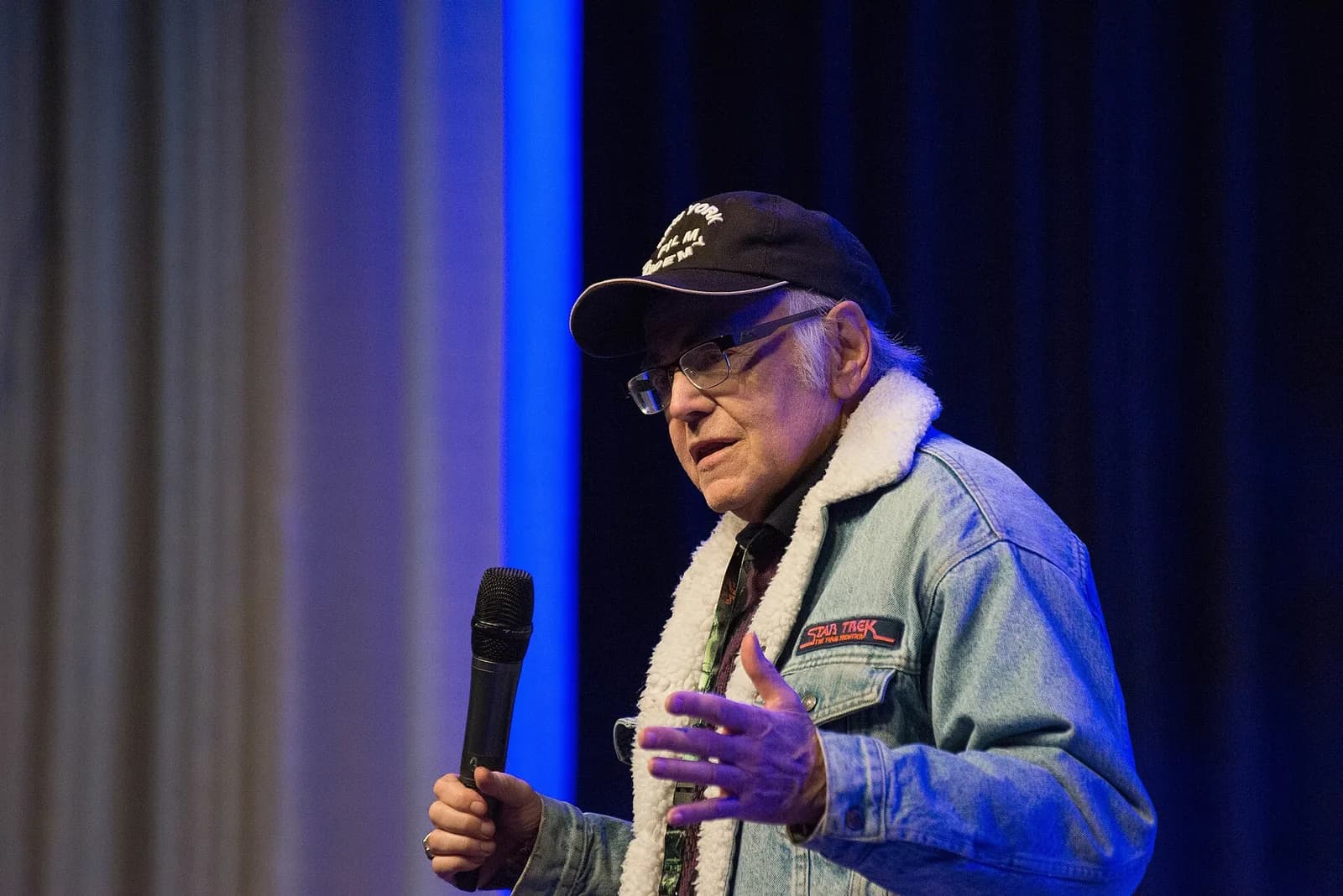
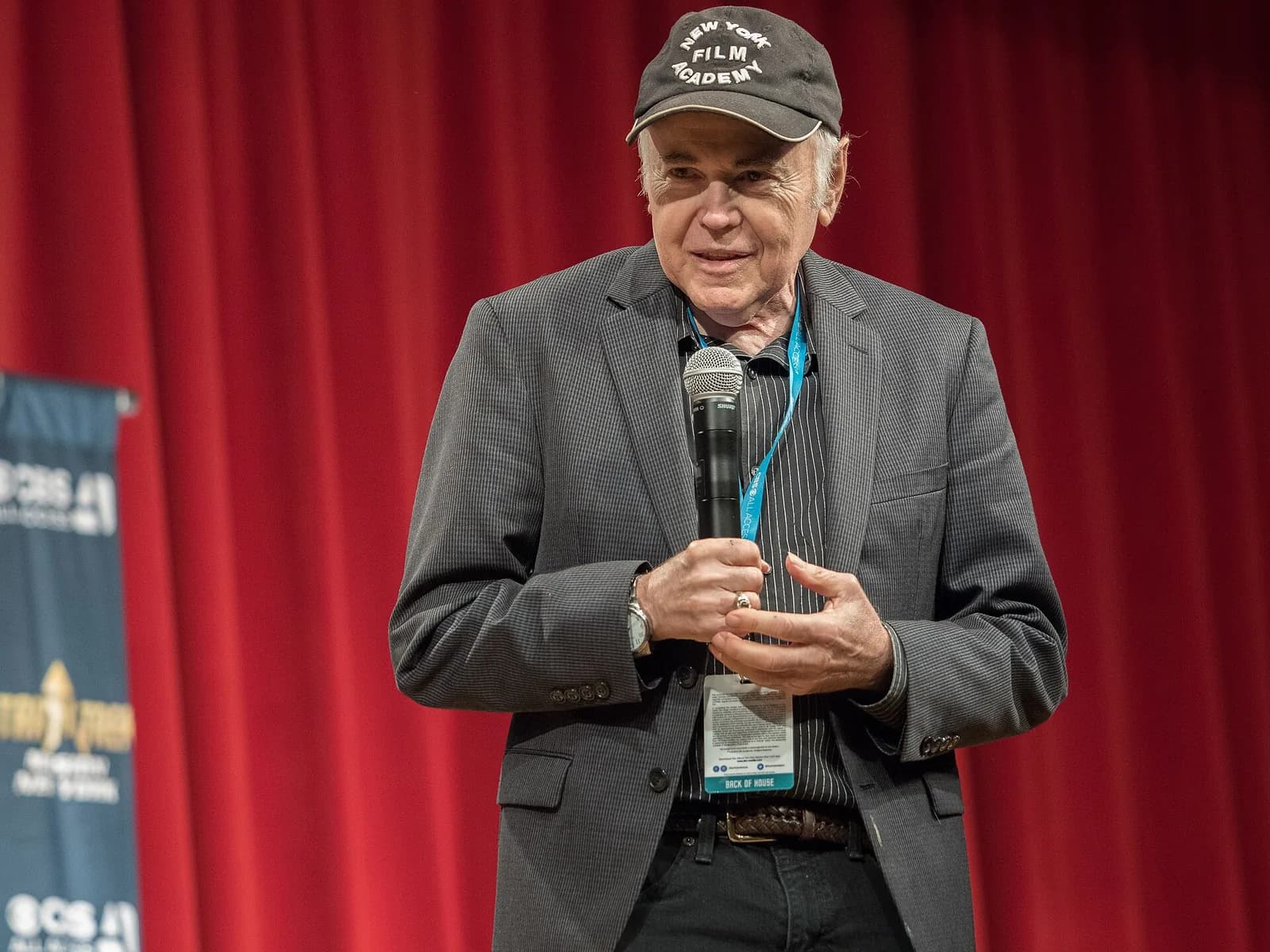
Walter Koenig, the actor who brought Ensign Pavel Chekov to Star Trek, has died at the age of 90. His representative announced that he passed away on Sunday from natural causes at his residence in North Hollywood. News of his death drew immediate remembrances from the performers who shared the original series with him.[S1][S2][S3][S4][S5][S6][S7][S8]
Koenig joined Star Trek: The Original Series in its second season in 1967, taking on the role of Chekov. The program ran for three seasons between 1966 and 1969. William Shatner portrayed Captain James T. Kirk for the whole run, and the pair later appeared side by side in a number of the franchise's feature films.[S1]
Shatner recalls a man devoted to the fans
Shatner posted his reaction on X on Tuesday, saying he had been deeply saddened to hear of Koenig's death. He noted that the two were not close away from work but had spent the later seasons of the original show and six subsequent movies together. What he saw, and what audiences described across the years, was someone who truly cared about the Star Trek community, Shatner wrote.[S1]
Understand this article deeper
According to Shatner, Koenig was seldom happy sitting behind an autograph table at conventions. He would rather mix with the people who had kept the series alive across the decades. Shatner closed by describing that sort of authentic bond as uncommon and said it would stay with everyone who met Koenig.[S1]
Takei: more than Chekov
George Takei, who played Hikaru Sulu through all three seasons of the original series, also honored his former colleague. In a Facebook post on Monday, Takei said Koenig was more than Chekov, describing him as a writer, a teacher, a reflective man and a steadfast friend. He thanked the fans who had cared about Koenig for so long and said the feeling had been returned.[S1]
Takei ended his message by wishing his friend rest and urging him to keep steering a steady course. The two tributes, from colleagues who worked alongside Koenig in the 1960s and later on film, place his connection with the show's audience at the center of how he is being remembered.[S1]