A national average that hides deep divides
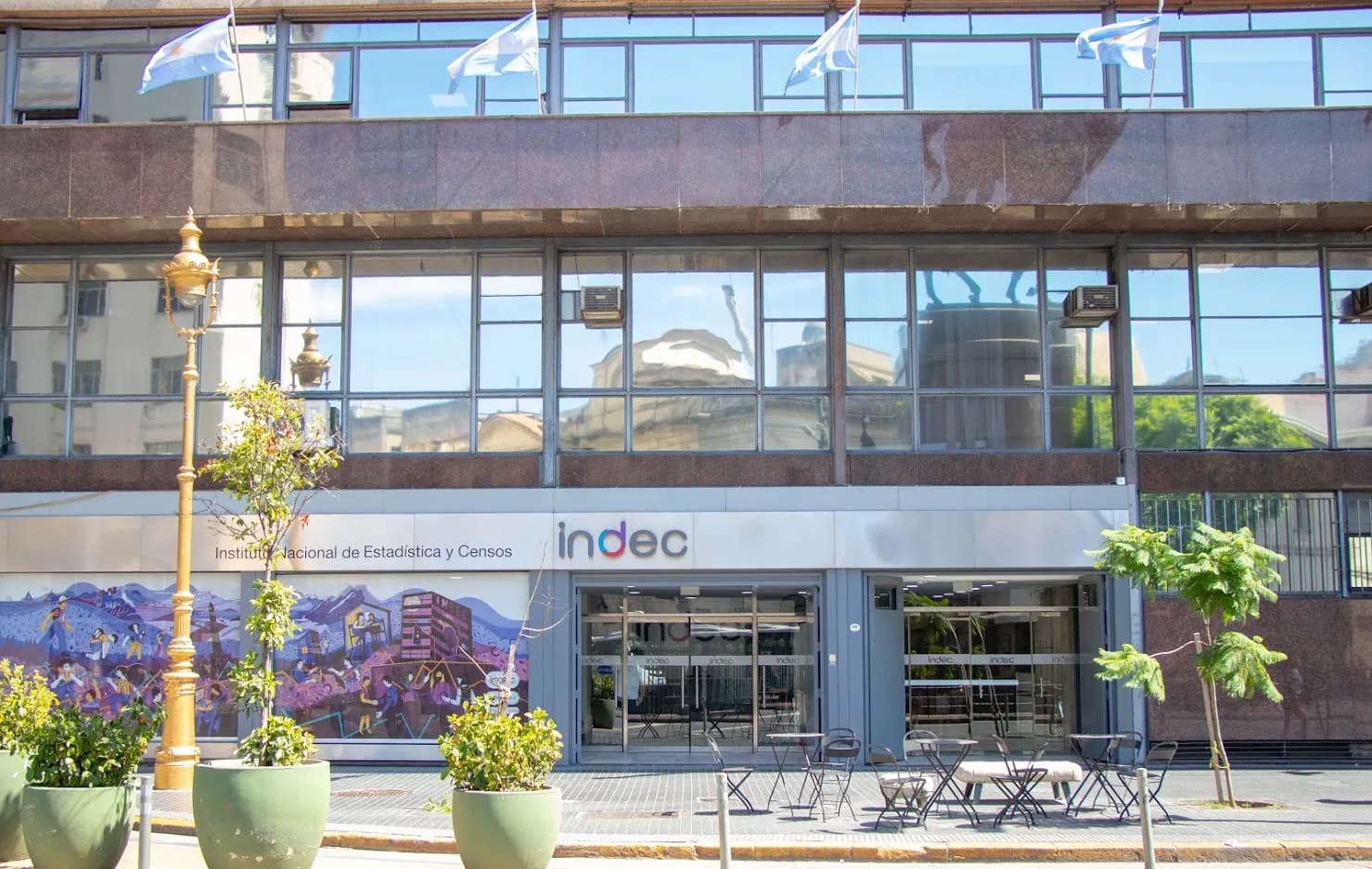
Poverty across Argentina's 31 surveyed urban areas averaged 32.3% in the first half of 2026, according to a report released on Thursday by the National Institute of Statistics and Censuses (INDEC). The data come from the Permanent Household Survey (EPH). Behind that headline figure, the incidence of poverty varied widely from one part of the country to another, with the Northeast recording the highest regional rate and Patagonia the lowest.[S1]
By region, the Northeast posted 41.5%, followed by Cuyo at 36.7%, Greater Buenos Aires at 32.1%, the Northwest at 31.5%, the Pampas at 30.3%, and Patagonia at 28.4%. The regional ranking places the Northeast and Cuyo well above the national average, while the Pampas and Patagonia fall below it.[S1][S2]
Urban extremes: Concordia and Gran Resistencia
Among individual urban conglomerates, Concordia recorded the highest poverty incidence at 56.2%, meaning more than half its population lives below the poverty line. Gran Resistencia followed with 48.6% of people in poverty and 40.3% of households in that situation. Other high-incidence areas in the Northeast included Posadas at 42.2% and Corrientes at 41%, while Formosa stood at 29.9%, below the average for the 31 areas.[S1]
In Cuyo, the three surveyed conglomerates showed similar results: Gran Mendoza at 36.9%, Gran San Juan at 36.8%, and Gran San Luis at 35.7%, all above the national average. In the Pampas, alongside Concordia, Gran Santa Fe reached 38.6%, Gran La Plata 37.8%, and San Nicolás-Villa Constitución 35.5%, while Mar del Plata recorded 20.4%. The Northwest averaged 31.5%, but Santiago del Estero-La Banda hit 38.5%, La Rioja 38.4%, and Gran Catamarca 37.3%; Salta, Gran Tucumán-Tafí Viejo, and Jujuy-Palpalá fell below the national average.[S1][S2]
Patagonia and the Buenos Aires gap
Patagonia had the lowest regional average at 28.4%, yet some of its urban areas exceeded the national rate: Comodoro Rivadavia-Rada Tilly at 37.2%, Rawson-Trelew at 35.1%, and Viedma-Carmen de Patagones at 33.2%. By contrast, Ushuaia-Río Grande registered 25.9%, Río Gallegos 25.6%, and Neuquén-Plottier 19.6%.[S1]
The widest territorial gap appeared in Greater Buenos Aires. The City of Buenos Aires recorded 11.1% poverty, the lowest among all surveyed areas, while the surrounding districts of Greater Buenos Aires reached 36.9%. In absolute terms, those districts concentrated 4,888,000 people in poverty, compared with 334,000 in the city proper. The distance between the two extremes amounted to 45.1 percentage points, underscoring how the national average conceals stark local differences.[S1][S2]
Indigence rises and incomes lag behind basic baskets
Indigence affected 7.5% of people in the first half of 2026, up from 6.3% in the second half of 2025, an increase of 1.2 percentage points. Gran Resistencia had the highest rate at 17.3%, followed by Concordia at 12.7%, San Nicolás-Villa Constitución at 10.3%, Rawson-Trelew at 10%, the Greater Buenos Aires districts at 9.9%, and Gran Santa Fe at 9.8%. By region, the Northeast again led with 10.5%, ahead of Greater Buenos Aires at 8.4%, the Pampas at 7.2%, Cuyo at 5%, the Northwest at 4.3%, and Patagonia at 4.2%.[S2]
The INDEC report noted that the deterioration compared with the previous half-year occurred as household incomes grew more slowly than basic baskets. Per capita family income rose 11.5%, while the basic food basket increased 21.4% and the total basic basket 19.6%. Year-on-year, poverty across the 31 urban areas rose 0.7 percentage points from the first half of 2025, a change INDEC considered not significant, though some cities saw much larger shifts. Comodoro Rivadavia-Rada Tilly recorded the biggest jump, 10.3 points, from 26.9% to 37.2%; Concordia rose 7 points from 49.2%; Viedma-Carmen de Patagones added 6.5 points; La Rioja and Santiago del Estero-La Banda each gained 6 points; and Rawson-Trelew increased 5 points.[S1][S2]