A Pope Arrives in a Secular Stronghold
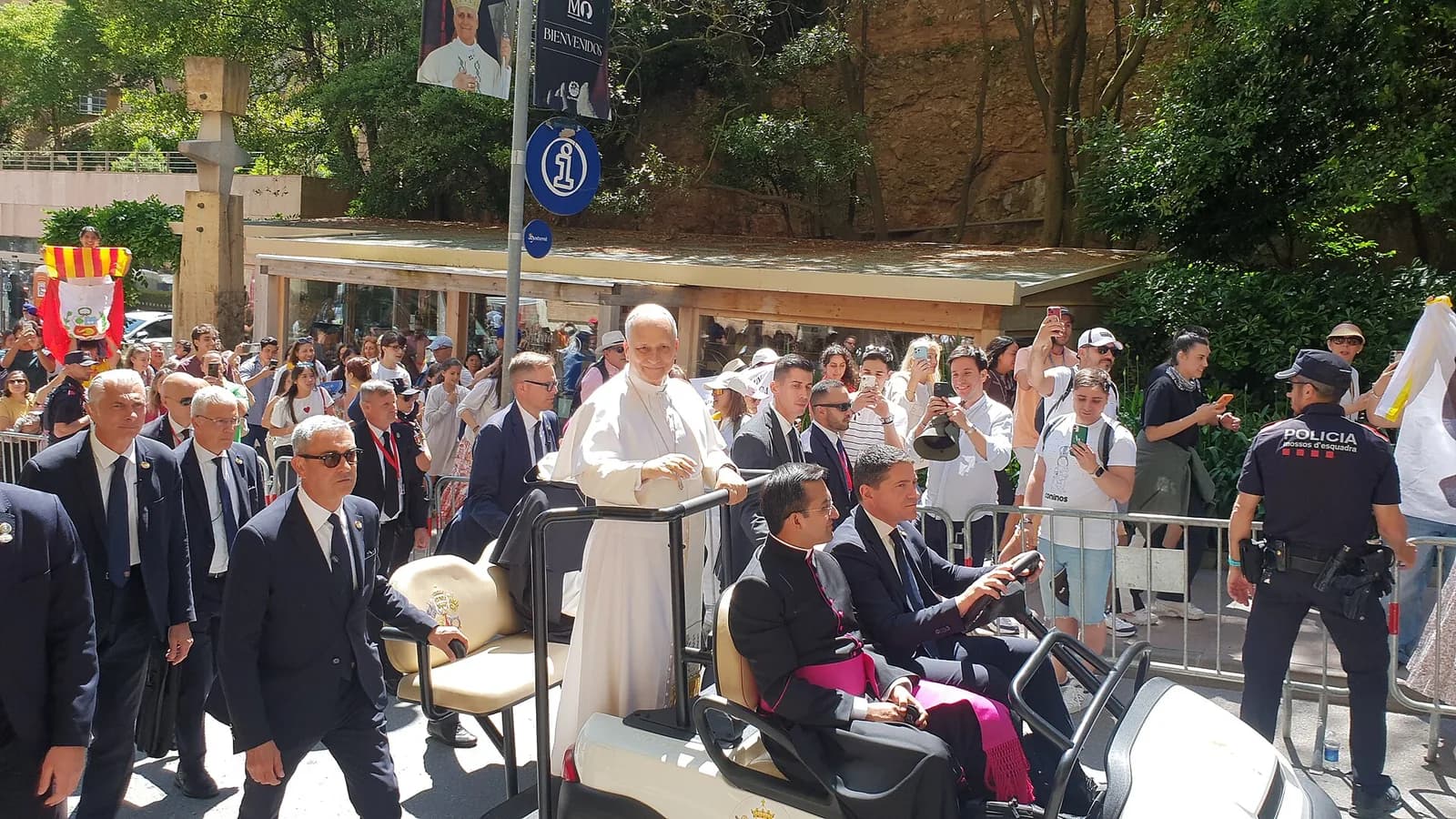
Pope Leo XIV opens his first journey to Latin America this Friday in a country where roughly one in three residents identifies as Catholic, abortion and euthanasia are legal, and December 25 is officially known as Family Day. That country is Uruguay, the most secular nation in the region. On Montevideo's streets, excitement among some residents about the pontiff's arrival sits alongside the indifference of those who avoid any religious label, a group surveys place at close to half the population.[S1]
Soledad Naya, a 43-year-old industrial designer in Montevideo, answered that she would follow nothing of the pope's activities, describing herself as an atheist despite a Catholic upbringing. Near the Centenario stadium, where a large stage is being built for a Sunday vigil expected to draw some 60,000 faithful, Margarita Bentancour said she holds no expectations for the visit even though she is a believer. The 59-year-old domestic worker explained that churches do not appeal to her and that Jesus, in her view, did not require so much when he had to help.[S1]
After landing in Montevideo on Friday afternoon, Leo XIV is scheduled to meet government and church authorities, travel to two other Uruguayan cities and visit a working-class capital neighborhood troubled by violence. On Sunday afternoon he is due to fly to Argentina, and on Thursday to Peru, where he spent decades. The constitutions of both countries invoke God and pledge support for Catholicism without naming an official religion.[S1]
A Century of Separation Between Church and State
Uruguay's Constitution, in force since 1919, declared that the state supports no religion and formally separated it from the Church, following a secularization drive that began in the 19th century and still shapes society. The country of 3.4 million has seen Catholic numbers shrink without evangelical churches drawing them in as elsewhere in Latin America, which experts say poses a particular challenge for the pope in the world's most Catholic region.[S1]
Andrew Chesnut, a professor of Catholic studies at Virginia Commonwealth University, argued that Uruguay offers a glimpse of the religious future of other Latin American nations as younger generations distance themselves from organized religion. He said the main challenge for Leo will be showing that Catholicism remains relevant in a country where the Church wields relatively little cultural or political influence. Chesnut added that the trip will also test whether the first U.S. pope, drawing on his long pastoral experience in Peru, can reconnect with Catholics who have drifted from the Church and help slow the exodus that reshaped the region's religious landscape.[S1]
This is the third papal visit to Uruguay, after John Paul II came in 1987 and 1988, when the country was recovering democracy after more than a decade of military dictatorship. It is also the fifth apostolic journey for Leo since he began his pontificate in May 2025, following the death of his Argentine predecessor Francis, the first Latin American pope in history.[S1]
Church Concerns and a Secular Tradition
Uruguayan Cardinal Daniel Sturla said the pope's main aim is to strengthen his Catholic brothers in the faith and uphold the unity of the Church. In his view, human life in Uruguay is sometimes not appreciated in its full beauty, worth and dignity, which he linked to the country's low birth rate, high suicide rate and the passage of laws on abortion and euthanasia. Sturla, archbishop of Montevideo, made the remarks to BBC Mundo.[S1]
Uruguay decriminalized voluntary abortion in the first 12 weeks of pregnancy in 2012, a step that reduced deaths of women from clandestine procedures. Last year it became the first Latin American country to regulate by law dignified or assisted death for adults in the terminal stage of an irreversible illness. Both rules drew opposition from the Catholic Church and follow a long tradition of social liberalism: this century the country also legalized same-sex marriage and marijuana, and in 1913 it was a regional pioneer in allowing divorce at the woman's request alone.[S1]
More than a century ago Uruguay also removed crucifixes from public hospitals, ended religious teaching in state classrooms and renamed official holidays, turning Holy Week into Tourism Week and December 25 into Family Day, though people kept calling it Christmas. In the latest annual Latinobarómetro survey, Uruguay had the smallest share of self-described Catholics among 17 Latin American countries at 35%, far below 67% in Peru, 55% in Argentina and the regional average. That marks a steep fall from 1990, when 60% of Uruguayans placed themselves in that religion.[S1]
Sturla acknowledged that the Church has been free to operate in the country but argued that the institution and its faithful have been somewhat pushed to the margins. He described a kind of Catholic self-censorship, saying that openly showing one's faith or speaking about it is not well regarded, which leads Catholics to withdraw, and he suggested a papal visit helps them express their faith more publicly.[S1]
Ceremony, Controversy and Expectations
Leo's arrival also stirred controversy when Rodrigo Goñi, president of the Chamber of Deputies from the conservative National Party, proposed lighting the exterior of the Legislative Palace in the colors of the Vatican. Other lawmakers warned that this could breach the secular character of republican institutions, and the initiative appeared to stall. Religious displays in Uruguay usually stay in the private sphere, though the papal visit has drawn attention, including from celebrities: the Argentine model and television figure Pampita said she would camp out more than 12 hours to see Leo XIV.[S1][S2]