A Pontiff Speaks to Argentina's Leaders
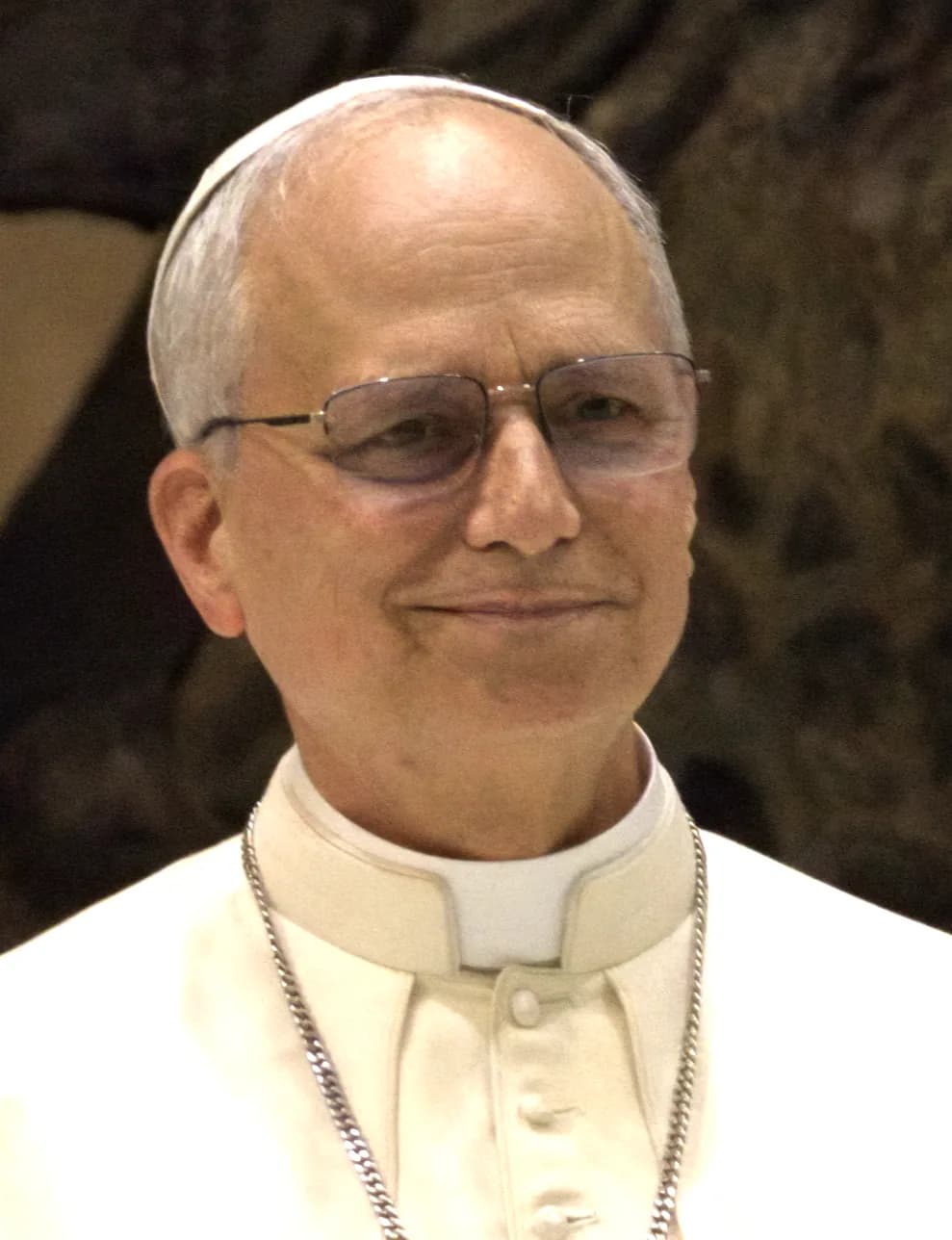
At the Palacio Libertad, in a hall filled with national officials and the country's 24 provincial governors, Pope Leo XIV gave his first address since arriving in Argentina. The event followed welcoming remarks from President Javier Milei and was carried on national television. The pontiff presented himself as the successor of Peter and therefore as a pastor, and said the Church wished to offer those in public life a message rooted in the Gospel that safeguards human dignity, harmony and the common good.[S1][S2]
Milei opened the broadcast by praising the gathering as a display of institutional unity, remarking that he was glad to see the whole political spectrum together despite its differences and that what unites Argentines outweighs what divides them. The pope's tone remained institutional and general throughout: he named no specific policy or government decision, which gave the speech a doctrinal rather than a topical character.[S1][S2]
Limits on Power and the Duty of Prudence
The central passage was aimed at officeholders. Leo XIV argued that authority reaches its highest meaning when it is exercised as service, and he stressed that those who hold power must act with prudence, acknowledge the boundaries of their office and steer decisions toward the good of the entire community. Prudence, as he framed it, means recognizing that power is finite and that its purpose is to serve the community rather than itself.[S1][S2]
He also linked the search for agreement, respect for freedoms and social peace to a willingness to see a political opponent as a fellow citizen, placing confidence in the law above short-term disputes. The pontiff said democracy is a good each generation is called to protect and strengthen, including by listening and by seeking consensus.[S1][S2]
An Economy at the Service of People
The second pillar of the address was economic. Leo XIV said one of the most basic conditions of the common good is the ability to live from one's own work, and he honored the effort of those who earn a living in the countryside, in cities, in workshops, schools and hospitals. Work, he said, allows people to support a family and to feel part of the nation. He then set out the criterion by which, in his view, public economic decisions should be judged: the economy must serve the person, not the person the economy.[S1][S2]
The pope did not reject growth. He said everything that opens opportunities and encourages private initiative should be supported, so that growth reaches those who face the greatest obstacles. He named families carrying uncertainty, people looking for work, older adults and workers unable to cover their household needs, and he described the family as the basic unit of society and work as the source of dignity and belonging.[S1][S2]
Young people held a prominent place in the speech. Leo XIV warned that a nation must ask itself seriously where it has failed when its young people have to leave their homeland to pursue their dreams. He therefore called for stronger education, vocational training, universities and research, and for confidence in the initiative of new generations.[S1][S2]
Heritage, Democracy and a Nod to Francis
The address was threaded with the idea of inheritance. Leo XIV said no generation starts the homeland from scratch but receives it, and he moved through Argentine culture from Martín Fierro and Borges to tango and mate. He also honored his predecessor, Francis, recalling that he was arriving in the land where the Argentine pontiff began a story that later became intertwined with the whole Church, and he said the faith nourishes goods such as trust and forgiveness.[S1][S2]
The pope tied care for future generations to the defense of life, saying responsibility toward them begins by welcoming life from its first moments and protecting it to its natural end, with particular attention to illness, dependency and disability. He entrusted the country to Our Lady of Luján, echoed a phrase of Francis asking that the Lord make Argentines grow as a people, and asked that those who come later inherit a united homeland faithful to the constitutional preamble's aim of national union. He closed by asking God to bless Argentina and all its inhabitants.[S1][S2]