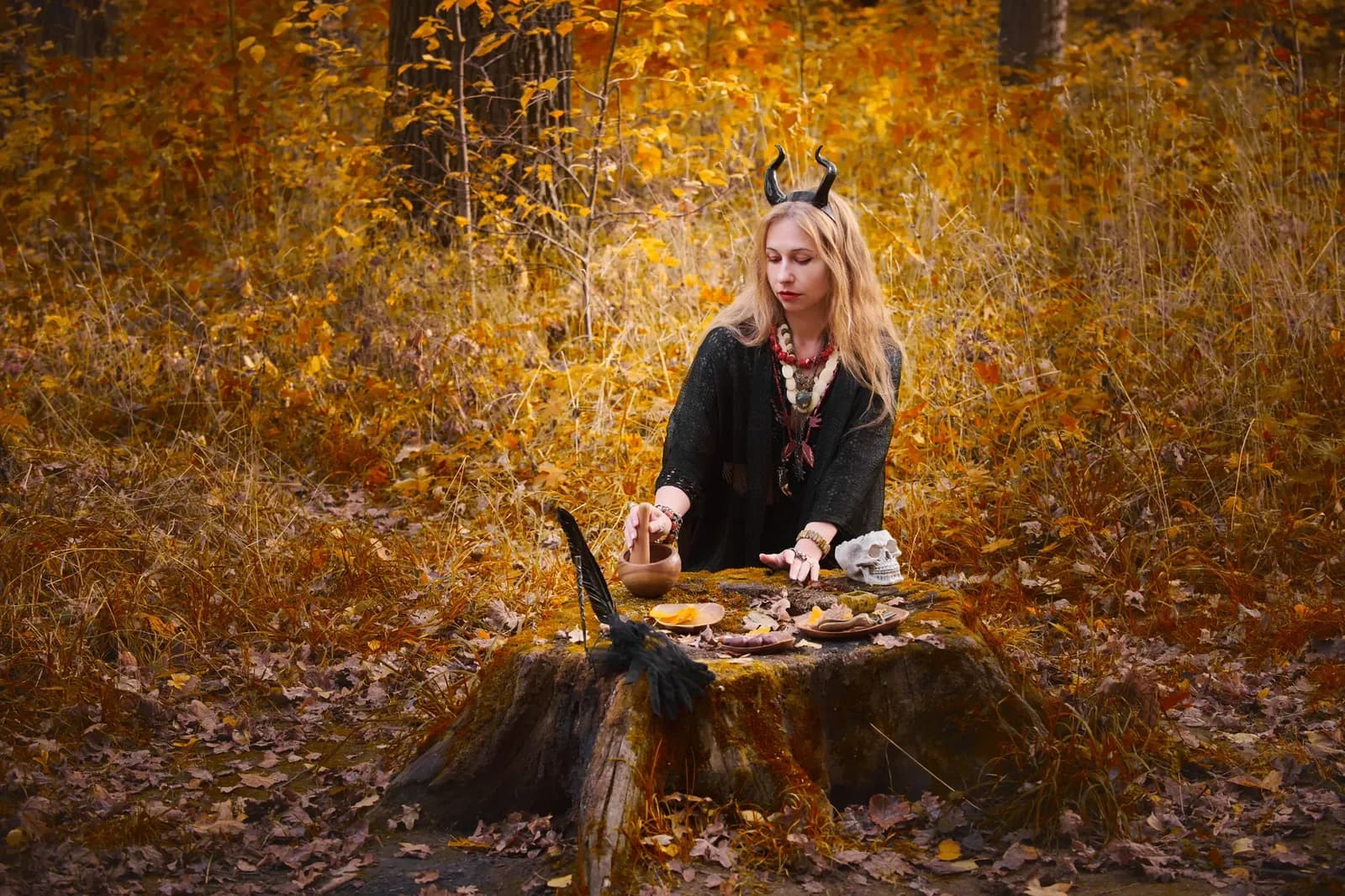
A spell for every occasion, sold by the click
Online retailers who describe themselves as witches are offering paid spells covering almost any wish, from attracting money and good fortune to keeping rain away on a wedding day or securing tickets to a sold-out show. Etsy says searches for weather spells and for witches have risen notably this year, and a spokesperson told BBC Scotland that interest in magical touches for occasions such as weddings is growing. Searches for spells meant to guarantee sunshine on a big day climbed by 206%, while broader searches combining weddings, spells and witches rose by 105%.[S1][S2]
Etsy's own rules require that spells be presented as entertainment only, so whether any of these purchases deliver results remains an open question. The listings nonetheless span an extraordinary range of personal goals, suggesting that buyers are shopping for outcomes they feel they cannot secure through ordinary means.[S1]
Abundance, not romance, tops the order list
Ellecia Cahill, a 24-year-old from Erskine who calls herself a mystic, has recorded more than 2,000 online sales of readings, channelled letters that purport to carry messages from loved ones, crystals and amulets. She says customers are especially drawn to abundance spells, which are intended to help attract money, success and opportunities, rather than love spells. She recounts that a technology investor based in Monaco reported a significant rise in his net worth after buying an abundance talisman.[S1]
Cahill argues that young people, despite thinking logically, still want something magical to believe in, and she describes many of them as lonely. She says she aims to offer a safe space and comfort, and she frames her work as meeting a natural human need to believe in something larger than oneself. In her view, clients often already know the answer they want and are mainly seeking reassurance, and she asks what harm magic can do if it leaves someone feeling more confident.[S1]
Understand this article deeper
Mixed results for buyers who tried it
Laura Blair, a 29-year-old actress from Glasgow, paid for a job spell and was assigned to a witch, to whom she supplied her full names and further details before receiving a video of the spell being performed. The purchase did not produce exactly the outcome she wanted, but she says her acting career has been busier than ever since, with multiple roles. Chloe, a 22-year-old also from Glasgow, took a different view, calling her purchase a waste of time and money because what she asked for did not happen, though she now treats it as an amusing story. She had hoped to win back an ex after a break-up and says that in hindsight it may have been for the best that the spell failed.[S1]
Spirituality as a commodity and a comfort
Alexandria Arthur-Hastie, a sociologist of religion at Leeds Beckett University, sees the popularity of online witches as part of a wider movement away from traditional religion toward spirituality that individuals tailor to themselves. She says witchcraft's move online simply mirrors the migration of other parts of modern life to digital platforms, describing it as the newest stage in the commodification of spirituality. Television programmes such as Sabrina the Teenage Witch and Charmed, she notes, carried magic into the mainstream, and social media now gives people a route to discover witchcraft.[S1]
Arthur-Hastie argues that something deeper drives the appeal: for some young people, witchcraft becomes a source of support when relationships, careers or the future feel uncertain, and they go online looking for solutions and for something soothing. She says many contemporary witches regard themselves as healers rather than mystical figures, devoted to helping themselves, other people and society at large, and that they treat their work almost as a caring profession comparable to counselling.[S1]